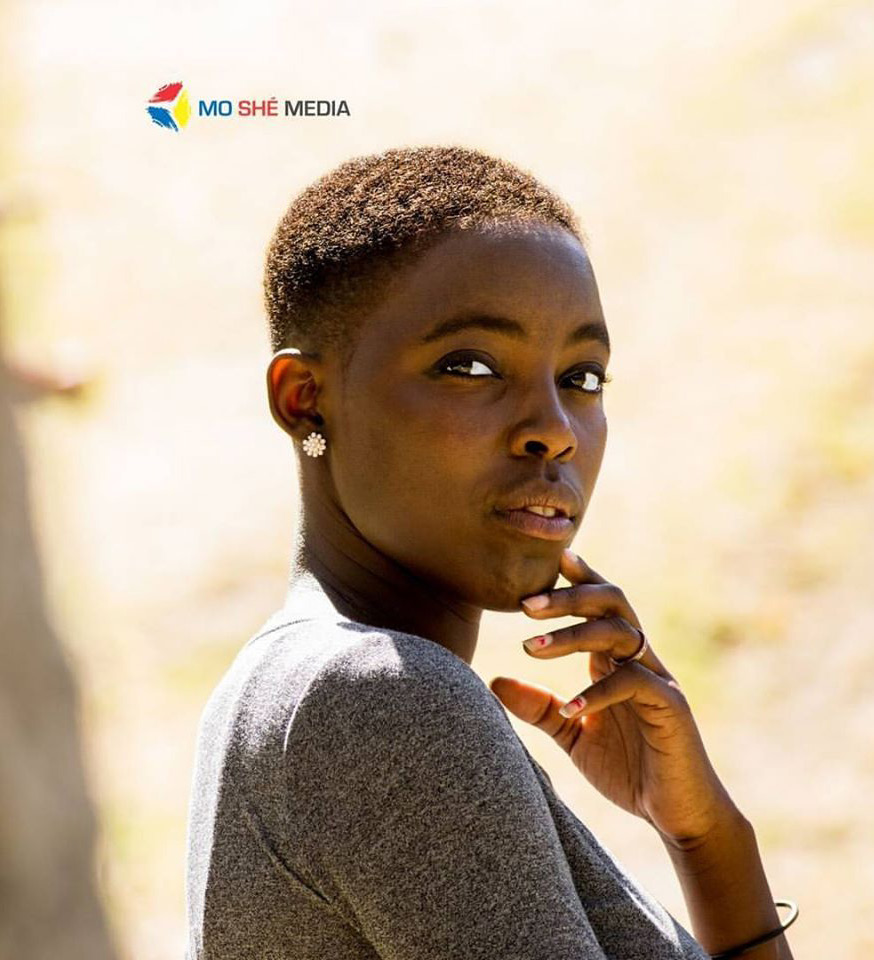

Beauty standards are a funny thing. Many of us grew up being told what counts as “beautiful”—whether it’s skin shade, hair texture, or body shape. Some are told to be lighter, some to gain weight, others to slim down. And if you don’t fit the mould, you are often reminded of it, sometimes in painful ways. But what happens when someone refuses to bend to that pressure and says, “I am enough”? That is exactly what Zambian lawyer Naomie Pilula did, and her story is one that resonates far beyond Zambia.
In July, a simple selfie posted by Naomie exploded online. The post attracted over half a million comments, many of them cruel remarks about her nose and overall looks. Most people would have deleted the photo and retreated from the negativity. Naomie did the opposite. She kept the photo up and shared words of strength drawn from her faith. She described herself as “not aesthetically beautiful” and then added, “That’s OK.” Her honesty struck a chord. Overnight, her Instagram following grew from about 1,000 to over 20,000. She wasn’t seeking fame—she was simply standing firm in her truth.
The backlash she faced highlights how deeply rooted beauty pressures remain in southern Africa. Naomie has spoken about being told to “fill out more” because she didn’t match the fuller body shape that some communities admire. In other spaces, it’s the opposite—women are told to slim down. Across borders, women are also pressured to lighten their skin, straighten their hair, or alter their features in pursuit of standards that often trace back to colonial history.
Skin lightening, in particular, remains a huge concern in the region. Many women and men still believe fairer skin opens doors socially and professionally. Yet the practice is harmful—both physically, due to dangerous chemicals, and emotionally, by sending the message that darker skin is somehow less worthy. These beliefs did not appear out of nowhere. For centuries, societies were conditioned to view lighter skin or certain European features as superior. But even before colonialism, African communities had their own shifting standards of beauty, often tied to complexion, body shape, and wealth. What is clear is that beauty has never been a fixed thing—it is constantly reshaped by culture and power.
This is why Naomie’s refusal to conform is so powerful. She reminds us that beauty does not sit in one shape, shade, or style. Instead, it lives in confidence, kindness, and authenticity. Her story forces us to ask: why should a woman’s worth be measured by her body size, or a man’s dignity by his height or build? These questions matter here in Namibia, too.
On our own social media platforms, it is easy to see the quiet but steady ways young people are pressured to look a certain way. Comments like, “You’re too dark,” or “Why don’t you wear a weave?” may seem small, but they can cut deeply. Over time, they create an environment where people feel ashamed of their natural selves. Yet, when we celebrate people in their raw, authentic state, we open the door to healthier self-esteem and stronger communities.
Naomie’s story is not just about one woman on Instagram—it is a mirror for all of us. She turned ridicule into resilience, pain into power. And in doing so, she gave permission for others to embrace who they are, unapologetically.
In the end, beauty is not a number of likes on social media. It is not about being lighter, darker, curvier, or slimmer. True beauty shines when a person is comfortable in their own skin, when they carry themselves with dignity and peace. That is the lesson Naomie is sharing with the world, and it is one Namibia can take to heart.
*Frieda Mukufa’s lifestyle section in the New Era concentrates on women-related issues and parenting. She also specialises in editing research proposals, proofreading and content creation.
– etuholefrieda@ gmail.com