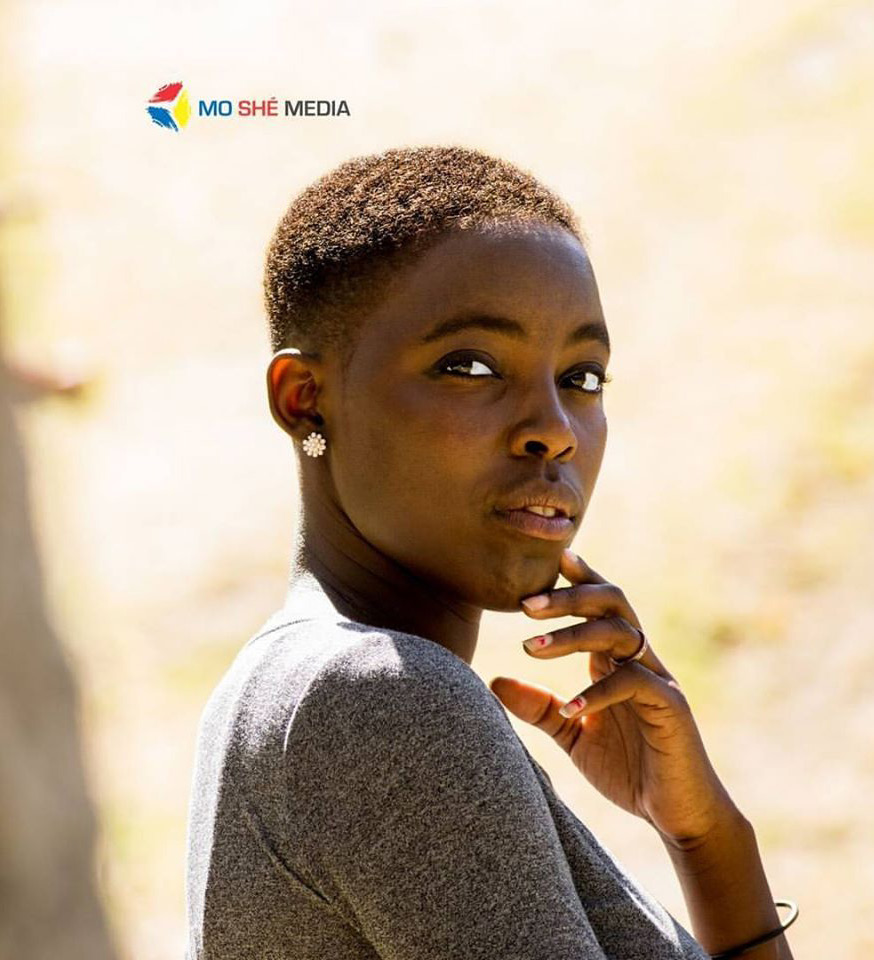

Within the spaces where women are expected to excel, there’s a certain expectation that follow many Namibian women as they grow, study, and move into new spaces. Often, we are encouraged to go out into the world and make something of ourselves. Yet, somewhere between the village and the city, we are also expected to remain the same person. You can’t be too ambitious and not remain humble. You also can’t be too bold because you will be deemed as being too loud. Lastly, in these spaces, you are afforded the chance of being educated, but never forgetful of your place.
For many women, this balancing act feels like walking a trap. When we return home, especially most of us who live in the villages, our new ways of speaking, dressing, or thinking are sometimes met with quite disapproval. She has changed. Do you see how she is no longer the same person? These are often statements, that comes up as if change was not the very thing we were told to find when we study to better the lives at home. But when we are in the city, in boardrooms or creative spaces, we are told to be our own individuals. It’s a constant negotiation between two worlds that are both demanding but needed.
A lot of women carry this silent tension. You can’t be too modern, otherwise you are seen as being disrespectful. If I may speak on behalf of the Aawambo millennial women, in most spaces, you can’t be too traditional because then you appear as someone who has not been exposed to a lot of things. As such, you find yourself code-switching between languages, behaviour, and tone, depending on where you are and who’s watching.
It is true that many of us were raised in homes where respect meant silence because women didn’t talk back, and ambition was something whispered rather than declared. Yet, the same women are now building businesses, leading teams, and speaking on panels.
It’s strange, isn’t it? That is the very same society that tells us to go far but also expects us to stay close, especially in terms of attitude, humility, and obedience. It’s as if womanhood itself comes with a manual that says we ought to be powerful, but not intimidating. We are allowed to be independent, but not too unavailable. While we try to find our way through this maze, there’s also guilt. Guilt for missing home. If you don’t go home as often as possible, you feel guilty. When you don’t succeed as you wanted, because you are not at the same level as Etu, you are often made to feel guilty and if you do achieve your dreams, you are also made to feel guilty for wanting more than what was imagined for you.
However, you know what? You can be both. You are allowed to be a city girl and be someone who appreciates being traditional as well. City girls can be up whenever you feel the need and still maintain your stance when going home. It is of paramount importance to know that our identities don’t have to be split. They can be layered. You are allowed to know how to fully fetch firewood, pound mahangu, and also pitch a project. You are also allowed to know how to greet elders properly and still lead a conversation in English with confidence.
So perhaps it’s time we give ourselves permission to exist fully in both worlds. We can only do that by stopping to apologise for who we’ve become while still honouring where we came from.
*Frieda Mukufa’s lifestyle section in the New Era concentrates on women-related issues and parenting. She specialises in editing research proposals, proofreading and content creation.
– etuholefrieda@ gmail.com