

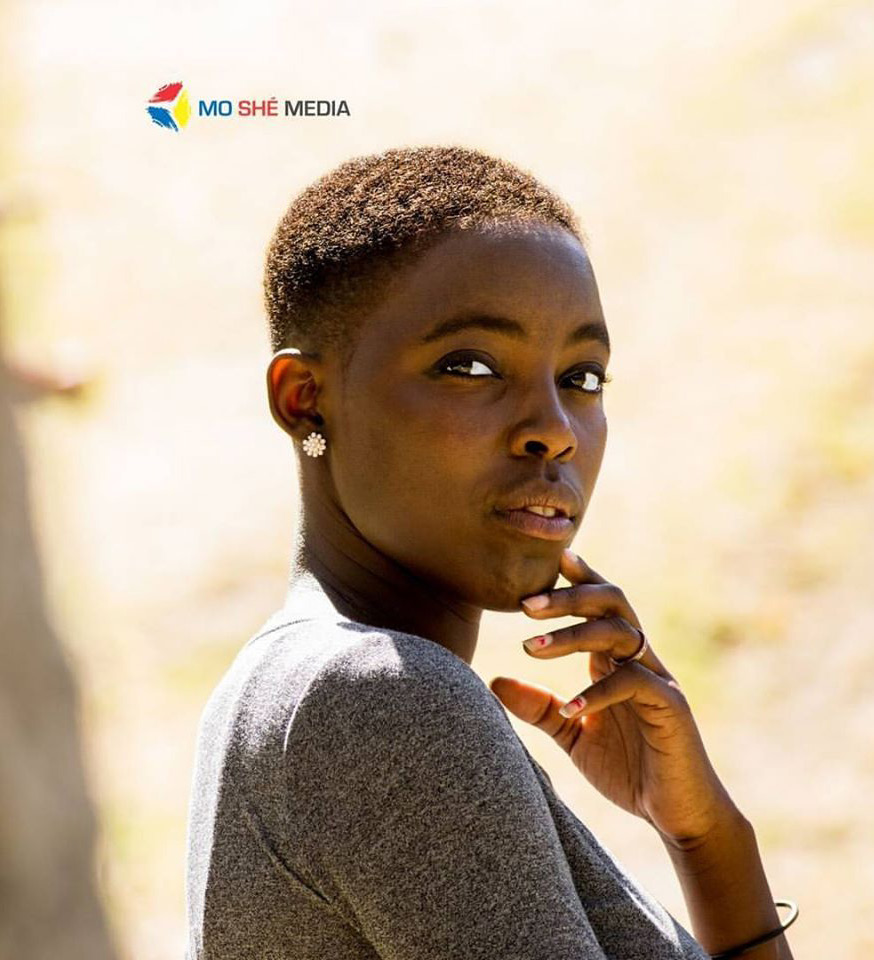

I have always wondered why single mothers are made to carry the shame of being the present parent. You hear people say, “Yeah, she was mos raised by a single mother”,. as if that is a mark against the woman raising the child. When did this become something to attach to women to make them feel less worthy of the work they are doing? Why is it a title that comes with side-eyes and whispered pity, instead of respect?
Often, these same women are placed on impossible pedestals of expectation—expected to be both parents, to provide, to nurture, to discipline, to sacrifice—while men are rarely held to the same standard. In fact, in some Oshiwambo traditions, a father can be absent your whole life, but when you want to get married, you must first “make peace” with him before the wedding can happen. Imagine that a woman who has raised herself and her children without his help is still bound by his absence. Already, society tells women they can’t make big decisions on their own—now even marriage is put on pause because of a man who walked away years ago.
These women are everywhere. You have either been raised by them, know someone who was raised by them, or seen them raise children with your own eyes. Walk through Katutura and you’ll find them—running shebeens, selling fatcakes and omahango, braiding hair in every second salon, hustling in markets and offices, all while holding households together on their own. They are the ones juggling two or three jobs, stretching a N$200 note to feed a family until the end of the month. And yet, society still has the nerve to look at them sideways because they “couldn’t keep a man.” People throw the word “reckless” around, and often the first question asked is: “Where’s the father?”
But here’s the thing—if we are going to ask that question, then we must ask it loudly and to the right person. Why is it always directed at the mother and not at the man who walked away?
According to the 2023 Population and Housing Census preliminary results, more than 44% of children in Namibia live with their mothers only. That’s nearly half of the country’s youth being raised by single women. And still, we are not clapping for them. We are not recognising the resilience it takes to be both mother and father, to fight daily battles that no one sees.
Let’s be clear: being a single mother is not a failure. It is a full-time, unpaid, and often thankless job that many women never planned for but were forced to embrace. In Namibia, they are not just raising children—they are holding communities together.
Yet Namibian culture still finds ways to glorify absent fathers. Let a man show up once a year with a birthday cake or a packet of chips, and suddenly he’s called “a good father.” Meanwhile, the woman who has been there every day—packing lunch boxes, attending parent-teacher meetings, finding money for uniforms—is invisible.
We should be questioning the systems that allow men to disappear from parenthood with no consequences. We should be asking why maintenance laws are weakly enforced. We should be building support structures, not shame circles.
Single mothers don’t need pity, they need policies, subsidised childcare, workplace flexibility, access to affordable housing and land—these are the things that would lighten their load. And as a society, we need to start changing the language we use about them.
The truth is, being a single mother is an act of bravery in a country where the odds are stacked against women. It is survival, it is sacrifice, and above all, it is love in its most determined form. And that deserves nothing less than respect.
*Frieda Mukufa’s lifestyle section in the New Era concentrates on women-related issues and parenting. She also specialises in editing research proposals, proofreading and content creation.
– etuholefrieda@ gmail.com