


It seems almost redundant to talk about women-related issues. However, it is Women’s Month, and this is important. What I like about my generation of women is that they are openly talking about the women’s health issues they face. There are so many young girls today who will grow up with an abundance of information that many of us did not have.
This month is also Endometriosis Awareness Month. Growing up, my periods were always 100/10. They lasted a good seven days, and what frustrated me most was that the only solution available was my mother telling me it was normal. That is how the women in my family also described it to me: it is normal, and you are on the right track. I could never understand why I had to faint in and out of consciousness just to feel and be a woman. Because we were never told that something could be wrong, we endured it for many years. Some of us, if not most of us, lived with that pain for so long that we almost became used to it.
The problem with normalising pain is that it silences questions. When girls are told that severe menstrual pain is simply part of womanhood, they stop asking whether something might actually be wrong.
Endometriosis is one of those conditions that hides behind that silence.
Endometriosis is a chronic condition where tissue similar to the lining of the uterus grows outside the uterus, often affecting the ovaries, fallopian tubes, and other pelvic organs. This can cause severe pain, heavy menstrual bleeding, fatigue, and in some cases, fertility complications.
According to the World Health Organisation, endometriosis affects roughly one in ten women and girls of reproductive age globally. Despite this, many women spend years searching for answers before receiving a diagnosis.
Part of the difficulty is that menstrual pain has historically been normalised in ways that discourage medical investigation. Young girls are often told that cramps are simply part of being a woman.
Families pass down stories of enduring painful cycles as if it were a rite of passage. In many cases, even healthcare systems take time to recognise the seriousness of these symptoms.
The result is that many women learn to live with their pain. They miss school, work through discomfort, or quietly plan their lives around their cycles. Yet the conversation about menstrual health still struggles to move into the open.
This is why awareness matters.
When women begin speaking openly about their bodies, their pain, and their experiences, it creates space for younger girls to recognise that suffering in silence should not be the standard. Pain that interrupts your life, causes you to faint, or prevents you from functioning is not simply something to endure.
Women’s Month should not only celebrate women’s achievements but also create room for conversations about women’s health. Because empowerment is not only about leadership and success. It is also about knowledge, access to healthcare, and the freedom to question what we have always been told is normal.
For many women, the first step toward better health begins with a simple realisation: that the pain they were taught to accept may not be normal after all. And sometimes, the most powerful thing a woman can do is simply say, “This pain deserves attention.”
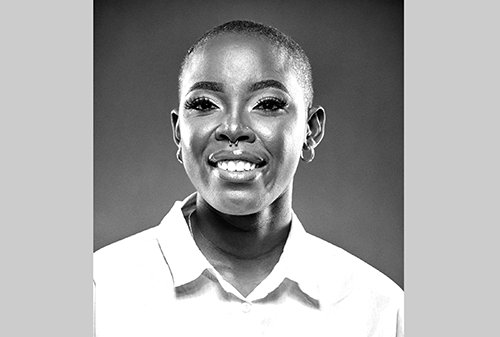
*Frieda Mukufa’s lifestyle section in the New Era concentrates on women-related issues and parenting. She specialises in editing research proposals, proofreading and content creation.
– etuholefrieda@ gmail.com