
Matheus David
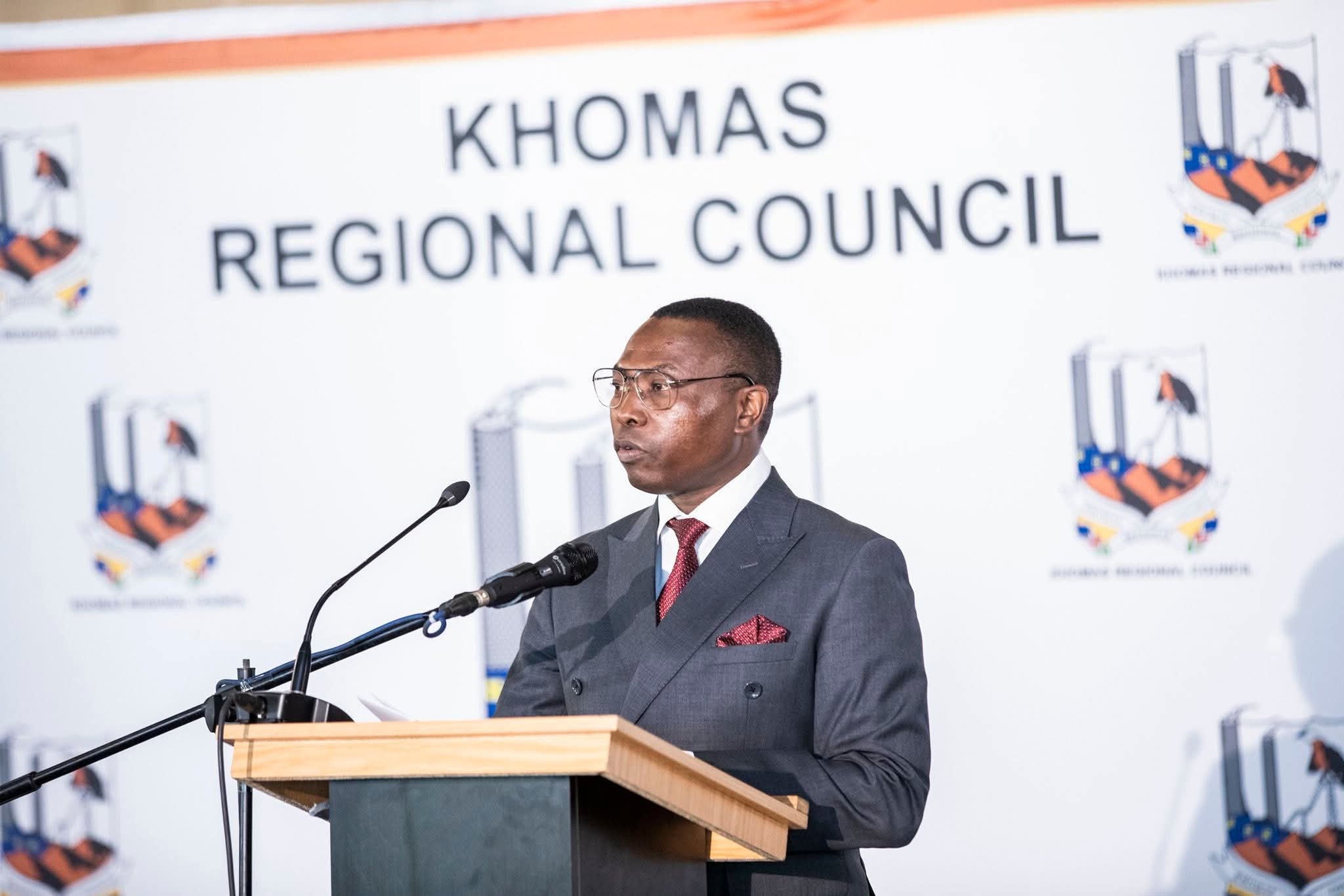
John Pandeni constituency councillor, John Mwoonde, says his leadership is focused on uniting communities, expanding economic participation, and addressing long-standing social challenges. Speaking on his vision during an interview with New Era, Mwoonde said he aims to “build an inclusive and people-driven constituency where young people are actively engaged and residents play a direct role in shaping development outcomes.”
He added that “transparent leadership, collaboration and commitment remain central” to his approach in advancing dignity, hope and sustainable progress.
Born in Walvis Bay and raised in Swakopmund, Mwoonde attended Festus Gonteb Primary School before continuing his primary education at Vrede Rede Primary School in Mondesa. He later attended Deutsche Oberschule, where his activism began.
Mwoonde joined the Namibia National Students Organisation (Nanso) during his high school years and served as a branch chairperson. He was later elected to the Nanso regional executive committee in the Erongo region as a regional organiser.
After relocating to Windhoek in 1997, he joined the Swapo Party Youth League (SPYL) at the age of 20. Between 1997 and 2006, he served as district secretary of the Soweto, later renamed the Comrade John Alfons Pandeni District.
During the same period, he was a member of the SPYL Regional Executive Committee in the Khomas region.
From 2011 to 2015, Mwoonde served as a city councillor representing the Swapo Party of Namibia. He holds a Bachelor of Technology degree in Business Administration from NUST and has completed a short online course in Investment Management from the University of Cape Town.
Constituency challenges
Mwoonde identified unemployment, urban hunger, substance abuse and limited land availability for infrastructure development as some of the major challenges facing the John Pandeni constituency.
He said his office has adopted a strategy that focuses on upgrading existing infrastructure while mobilising support from stakeholders, government institutions and the private sector to implement sustainable, community-centred solutions.
Service delivery
Since assuming office, the councillor has implemented several initiatives to improve service delivery and socio-economic conditions. These include infrastructure upgrades, the donation of laboratory equipment, and educational support for more than 200 learners.
His office has also funded over 67 income-generating projects and rolled out wellness campaigns that have reached hundreds of residents.
Mwoonde further highlighted the introduction of socio-economic programmes such as Back-to-School initiatives, winter safety nets, support for tertiary and Namibia College of Open Learning students, and minor capital projects.
In the education and sports sectors, he said, the refurbishment of the soccer field at A. Shipena Secondary School was a key achievement aimed at reviving local sports and supporting youth development.
To address food insecurity, the councillor said his office provides annual food parcels to 50 vulnerable individuals, while 50 elderly residents receive Christmas hampers each festive season.
Mwoonde said the office will continue to prioritise engagement with residents and collaboration with local authorities to improve infrastructure and address social challenges within the constituency.
– matheusshitongenidavid@gmail.com