


Molly Weyulu
In the quiet corridors of Namibian homes, an unspoken crisis is emerging, one that is claiming lives faster than society can respond.
Between January and March this year, 124 people died by suicide in Namibia, with 108 of these being men.
The statistics, recently released by the Namibian Police, paint a sobering picture of a nation in the midst of a mental health crisis.
The Oshana region in central northern Namibia tops the grim list with 20 suicide cases, followed closely by Omusati with 17 and Kavango East with 14.
Last year, the situation was no different. Between January and May 2023, police recorded 151 suicides, with 123 of the victims being men.
In total, the 2023/2024 financial year saw 542 lives lost to suicide, including eight boys and five girls, the youngest of whom was only five years old.
The oldest was a haunting 103. These figures represent more than just numbers; they reflect the isolation, despair, and systemic failure to address mental health, particularly among men.
This crisis extends beyond completed suicides. The number of attempts is equally high, with about 3 000 individuals attempting to take their own lives during the same period.
This highlights profound societal distress and what may be a muted plea for help that often goes unnoticed.
The Ministry of Health and Social Services reported over 100 000 mental health cases during the 2024/2025 financial year. Experts suggest that this figure represents just the tip of the iceberg.
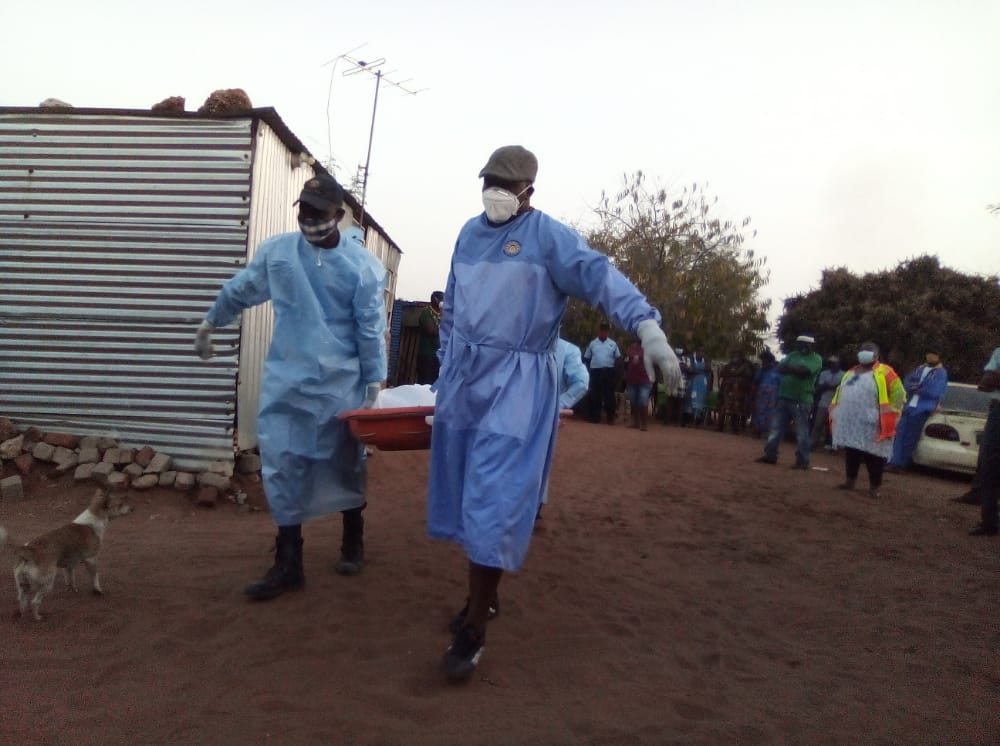
The police report notes that each suicide is thoroughly investigated, with post-mortem examinations conducted to determine the cause of death. If foul play is suspected, a criminal investigation is opened. But more often than not, the case is closed, leaving families shattered and communities grieving.
Mental health professionals are raising concerns. Dr Veronica Theron, director of Health and Wellness and a Child Protection Specialist, along with Gregorius Amadhila, a Clinical Psychologist, both from the One Economy Foundation, have expressed serious concerns about the mental well-being of the population.
In a response to Nampa, Theron and Amadhila pointed to a complex web of factors fuelling the crisis: unemployment, substance abuse, cultural norms surrounding masculinity, and limited access to mental health services.
In Namibia, seeking help is still seen as a weakness, especially for men.
The experts emphasised that silence is often the only language spoken when pain becomes too much to bear.
“The statistics are alarming, and they raise a serious concern regarding the mental well-being of members of our society. These statistics highlight several key issues regarding mental health in the country, particularly among men,” Theron said.
Tuhafeni Talia, Chief Social Worker in the ministry of health and chairperson of the Khomas Suicide Prevention Taskforce, believes that current suicide prevention efforts are not enough.
“We need to double our efforts,” she said, noting a disturbing trend in suicide pacts, agreements between individuals to die together.
“We are not doing well when it comes to prevention,” Talia admitted, urging Namibians to be more vocal about their struggles.
The call to break the silence is growing louder. Talia explained the importance of speaking out, regardless of gender.
“We are encouraging people to speak up, to speak out, whether it’s a man or woman; whoever has a societal behaviour, they should speak out. And men not speaking out, it is also affecting them; whenever they need to go for mental health support services, they keep things to themselves,” Talia stressed.
Her sentiments are echoed by Lieutenant Colonel Josephina Nghishoongele, Vice Chairperson of the Khomas Suicide Prevention Taskforce.
Nghishoongele advocates for inclusive mental health programmes that involve both boys and girls and encourages men to actively participate in educational initiatives.
The Ministry of Defence and Veterans’ Affairs official further noted that most existing initiatives primarily focus on supporting girls.
“We are encouraging men to attend their meetings to start educating themselves as well, so programmes are also part of the interventions that can be used,” said Nghishoongele.
Namibia’s suicide crisis is not just a health issue; it is a social emergency. Experts have noted that the crisis demands more than statistics and public briefings; it requires compassion, dialogue, and, above all, the courage to confront what so many are suffering in silence.
Until the silence is broken, the numbers will continue to rise, along with the quiet grief of a nation.
– Nampa