


Nedbank Namibia hosted its Future of Business conference yesterday in Windhoek, endorsing its commitment to supporting local, owner-managed businesses.
The event brought together entrepreneurs, startups and small to medium enterprises (SMEs) to focus on key areas that drive business success, including leadership, communications, human resources and information technology.
The conference is part of Nedbank’s new initiative aimed at equipping Namibian business owners with practical tools and knowledge to grow their ventures and adapt to a fast-changing economic landscape.
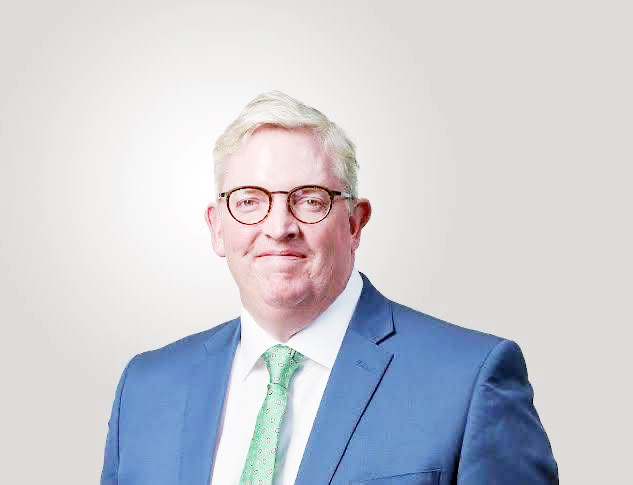
Speaking at the event, Nedbank Group chief executive Jason Quinn expressed optimism about Namibia’s economic future, particularly the opportunities within the oil and gas sector.
“We are excited about the future of the Namibian economy. The oil and gas sector presents a huge investment opportunity and has the potential to significantly advance Namibia’s development,” he said.
He added that Nedbank has the capacity to support infrastructure funding related to the sector and is committed to helping channel revenue into the local economy.
Quinn commended the recently launched Sixth National Development Plan (NDP6), highlighting its focus on sustainable development.
He said Nedbank aligns closely with its goals.
Entrepreneur and Aurik co-founder Pavlo Phitidis stated that Namibia’s oil and gas sector is fast emerging as a major driver of economic transformation, with investment interest growing rapidly from both local and international players.
The sector could attract over US$50 billion in the coming years, positioning Namibia as a key player in the global energy market.
He emphasised the game-changing potential of Namibia’s oil and gas resources.
“We’re seeing investment estimates between US$15 billion to US$50 billion. That’s not just numbers but a long-term opportunity that could bring 30 to 50 years of revenue, jobs and growth to the country,” he said.
Namibia’s offshore oil discoveries have already sparked global interest.
The drilling efforts by companies like TotalEnergies and Shell, located over 300 kilometres off the coast and several kilometres beneath the ocean bed, are being described as engineering marvels.
However, these projects also require massive funding and long-term partnerships.
Beyond oil and gas, the push towards renewable energy and infrastructure is also on the agenda.
Plans include solar and water infrastructure projects in the northern regions of Namibia and across southern Africa.
“There’s a strong sense of alignment between business and government. The leadership understands that business is central to growing the economy,” he concluded.