


Matheus David
In a move set to shake up Namibia’s lucrative fishing industry, the Ministry of Agriculture, Fisheries, Water and Land Reform has announced that non-governmental organisations (NGOs) and people living with disabilities will be first in line when fishing quotas are distributed.
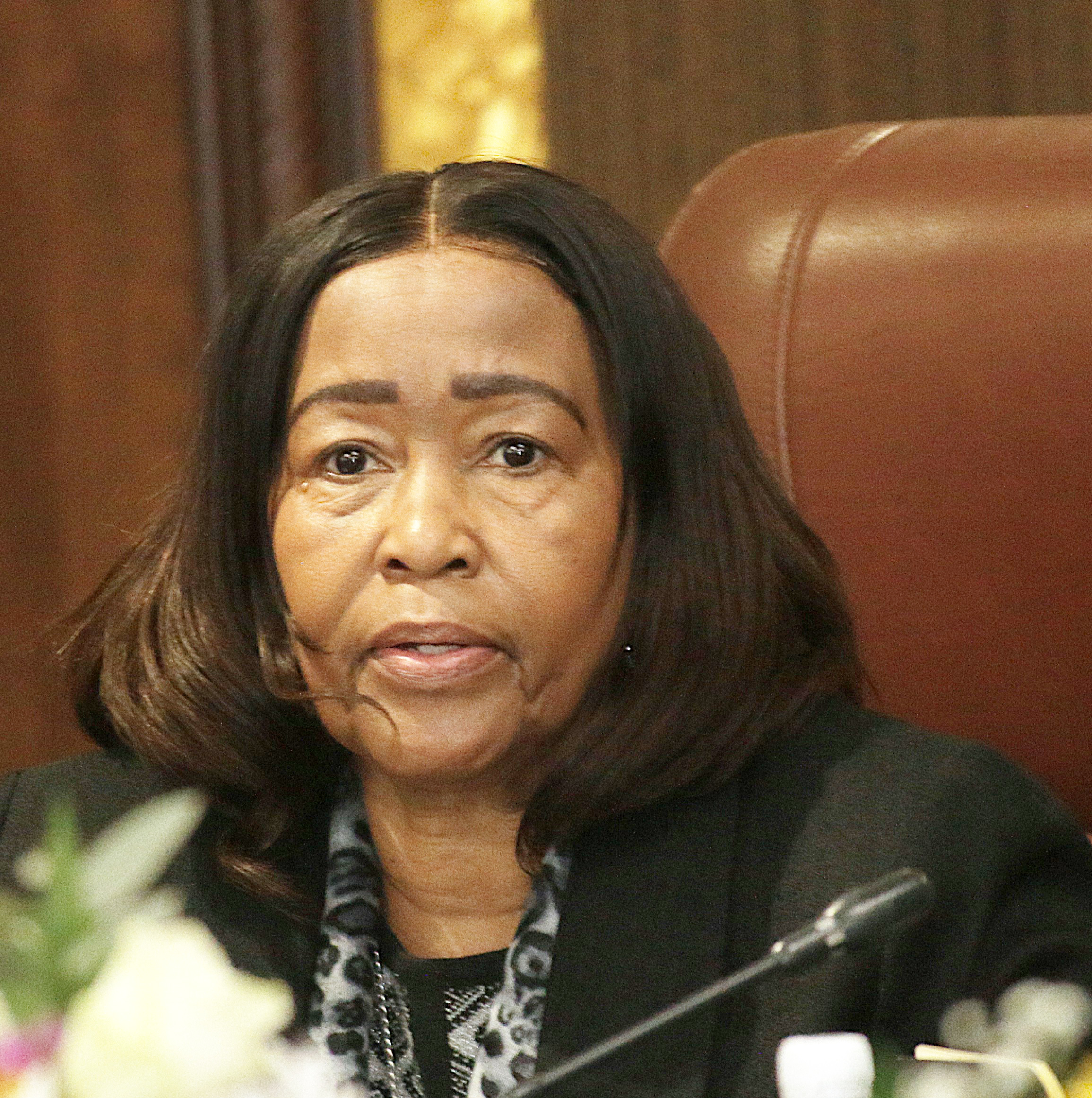
Fisheries minister Inge Zaamwani made the declaration in Parliament while responding to a question from Diederik Vries (PDM) about how the ministry verifies the authenticity of partnerships with NGOs and marginalised groups.
She said the new measures are designed to break down barriers for smaller players in the industry and ensure that Namibia’s marine resources benefit more than just big business.
Fishing contributes roughly N$10 billion annually to the economy and accounts or about 3-4% of the gross domestic product, employing over 16 000 people, the Namibia Statistics Agency (2024) reveals.
“The reforms will give vulnerable groups a clearer pathway to participate in one of Namibia’s most important industries,” Zaamwani told lawmakers.
“We aim to ensure that everyone who benefits from our marine resources is treated fairly and that the economic gains are shared more broadly.”
The minister reminded quota holders and investors that the Marine Resources Act of 2000 (as amended) gives her office the sole authority to cancel or amend fishing rights.
“No other entity has the legal mandate to do so,” she said, warning stakeholders to comply with the legislation governing fishing rights and shareholding arrangements.
To address disputes, Zaamwani said the ministry will continue to operate an “open-door policy”, inviting individuals, cooperatives and organisations, particularly those from vulnerable communities, to lodge complaints directly with the executive director.
NGOs have long argued that the quota system has disproportionately benefitted large corporations at the expense of smaller operators and coastal communities.
The ministry’s renewed focus on fairness, transparency and inclusion has been widely welcomed as a step toward a more equitable and accountable allocation process.
– matheusshitongenidavid@gmail.com
Photo: Heather Erdmann