


Rudolf Gaiseb
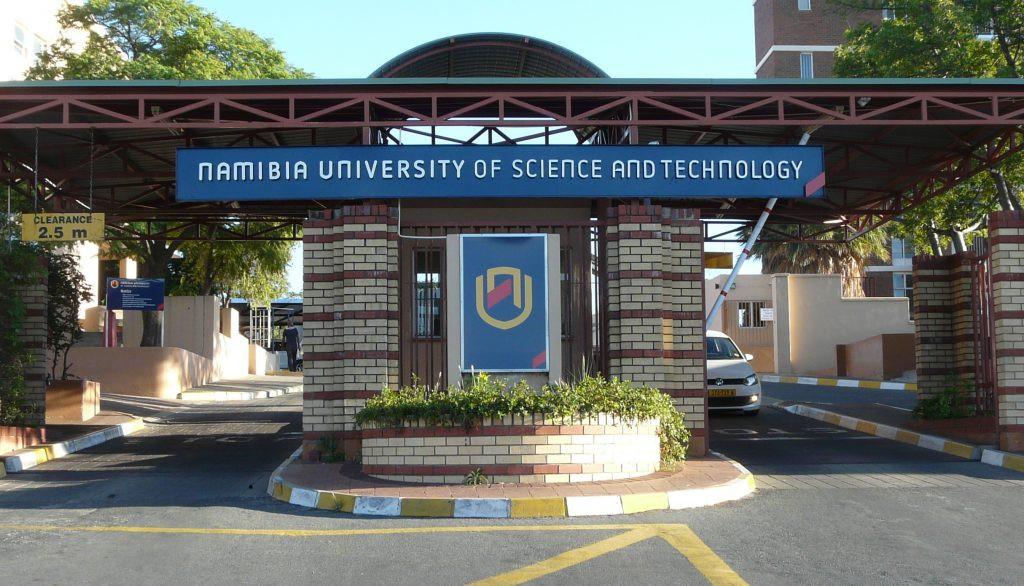
The Namibia University of Science and Technology (NUST) has positioned itself as the first tertiary institution to offer artificial intelligence (AI) to students through its new courses.
Last week, NUST launched the Bachelor of Artificial Intelligence and Bachelor of Artificial Intelligence Honours programmes.
NUST told New Era that this is to support the integration of AI across sectors, as a higher learning institution and a cultivator of graduates equipped with knowledge and skills on AI.
It aims to ensure that Namibia is not only a consumer of intelligent technologies but also a producer of innovative, locally relevant AI solutions that address national and regional development priorities.
“The programmes will equip students with strong analytical, computational, and problem-solving skills that are essential in the modern workforce,” the institution stated.
These programmes launched under the institution’s Faculty of Computing and Informatics are linked with the recent establishment of the AI and Robotics Accelerator (AIRA) and are designed to be highly practical. They combine strong theoretical foundations with hands-on learning through laboratories, real-world projects, internships, and industry partnerships.
“Students will acquire strong competencies in machine learning, deep learning, data science, robotics, and computational methods, enabling them to design and develop intelligent systems and operate confidently in technology-driven environments,” said NUST’s Public Relations Officer Cindy van Wyk.
On the whole, the courses are expected to strengthen Namibia’s digital skills base.
It is expected to enhance economic and technological competitiveness and locally stimulate innovation through the development of intelligent solutions for national and regional needs.
Van Wyk added that there is an increased reliance on AI to support decision-making, optimise operations, and improve business and organisational processes because of the digital transformation across industries.
“This has created a growing demand for professionals who can design, develop, deploy, and manage AI systems,” she said.
Meanwhile, graduates can pursue careers across multiple sectors, including roles such as machine learning engineer, AI engineer, robotics engineer, automation specialist, and data scientist, among others.
Additionally, Van Wyk noted that development is still underway to introduce short courses in AI, which will be rolled out to expand access and support wider skills development.