


GOBABIS – The Omaheke region has, over the past year, made significant strides in terms of economic and social progression.
The region has managed to turn the page on its story in the face of mounting challenges, ranging from malnutrition, unemployment and lack of economic opportunities.
This could be deduced from the regional governor, Pijoo Nganate’s, State of the Region Address (Sora), delivered on Monday in Gobabis.
Other strides were also made in the overall human capital development.
This year’s Sora was delivered under the banner, ‘Driving Inclusive Development Through Pragmatic Leadership and People-Centred Action.’
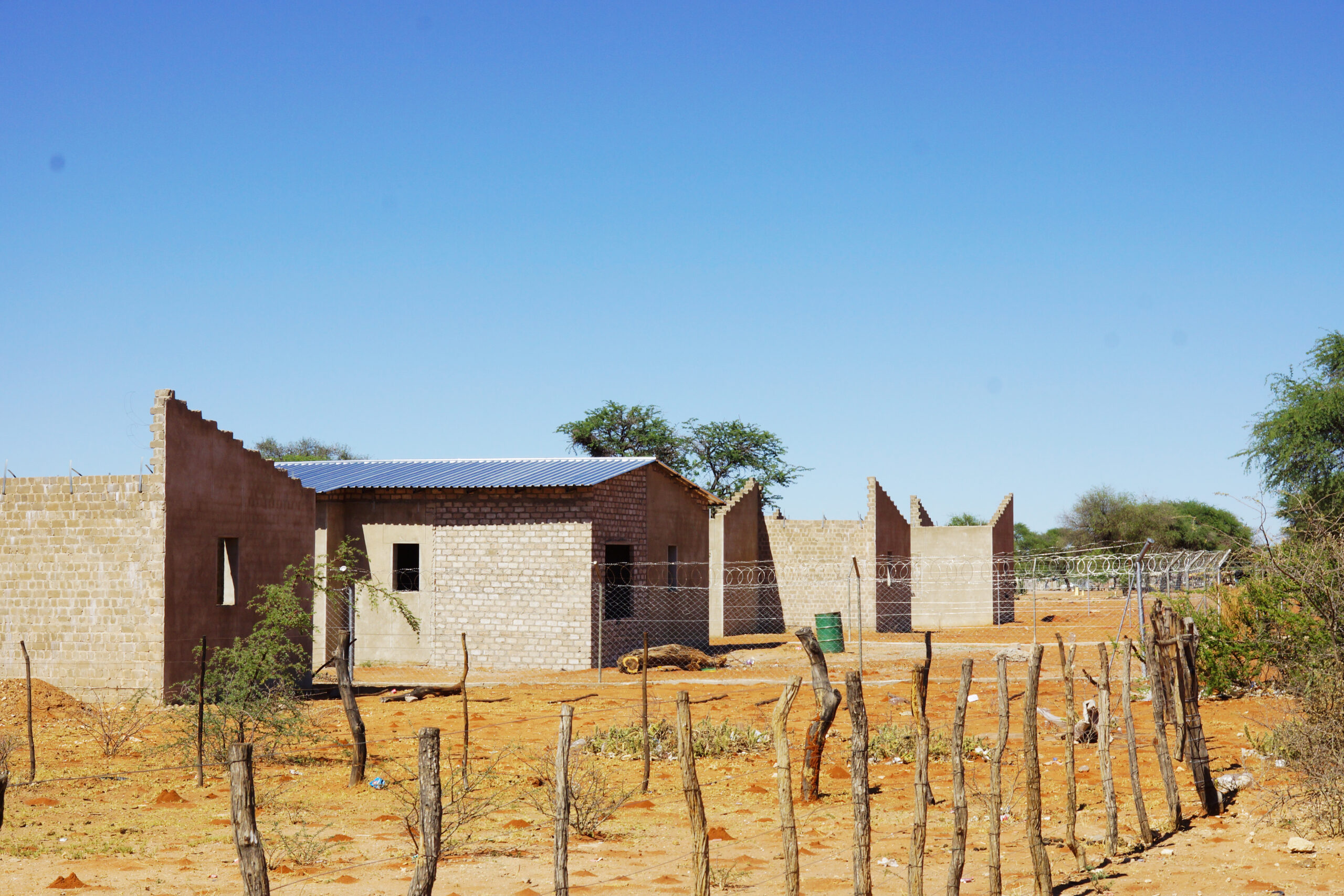
Nganate said the region also achieved great progress in the areas of land and housing provision, as well as the training of young people in the region through various programs.
The region, through the government, acquired a total of four farms measuring 46 512.75 hectares at the cost of N$94.3 million for resettlement purposes, with over nine beneficiaries resettled at farms Fiesta and Wimsrus.
Two additional units were left open for farmers in the Corridors, Witvlei, Gobabis, and Tsjaka areas, while water infrastructure was developed in four communal areas at the cost of N$21.4 million and 22 boreholes were drilled, 17 installed under the Emergency Drought Programmes.
Illegal fences
However, challenges of illegal fencing in communal areas continue to affect equitable land use, and low applications for occupational land rights and lack of consultation among traditional authorities were some of the other challenges experienced.
Nganate said going forward, he will enter MoUs with traditional authorities for land allocation, implement quarterly awareness campaigns on the Communal Land Reform Act, and form joint committees to resolve land disputes.
“As governor, I am tasked with, among others, securing the execution of the following: Overseeing the implementation of development programs aimed at accelerating access to land for residential and industrial erven. It is unacceptable that people are growing old without being provided with erven. The lack of development is stuck because of our own bureaucratic doings. We must come out of our comfort zones and without delay provide the Minister of Urban and Rural Development, James Sankwasa, with a list of serviced and unserviced erven within our respective localities. It is expected of me to drive a performance culture within the region and to submit quarterly reports. So, it is expected of all of us to do the same moving forward,” he said.
Touching on challenges facing communal farmers in the region, such as drought and the outbreak of various diseases, Nganate said they have collaborated with numerous stakeholders to help farmers overcome challenges.
In total, over 40 650 cattle were vaccinated against the recent outbreak of the Lumpy Skin Disease in the Aminius communal area, while over 32 809 cattle were vaccinated in the Epukiro and Otjombinde constituencies.
Although 625 cattle were sick during the outbreak, only 112 deaths were recorded. A rabies vaccination campaign has commenced, and a total of 420 pets have been vaccinated thus far, while renovations are underway at the Gobabis Veterinary Clinic.
Through the successful vaccination campaign against the Lumpy Skin Disease outbreak, the region managed to hold 84 livestock auctions between October 2024 and June 2025, with 40 924 cattle, 6 011 sheep, and 5 708 goats sold and generating N$32 million.
“Despite this success, the Lumpy Skin Disease outbreak is still affecting cattle in some districts, and the poor state of the Namibia-Botswana international border fence remains a problem and requires reconstruction. The way forward is to continue disease prevention measures such as vaccinations and reconstruct and maintain the international border fence to prevent illegal movement of cattle.”
Human Resource
In terms of human capital development, the region, through the Office of the President, ensured that 1 335 national documents were issued to San community members, as the lack of national documents hinders access to services and economic integration.
The project to issue documents is ongoing until August 2025 and will help members of the marginalised San community secure employment when such opportunities arise.
“Here in the region, the directorate of water supply and sanitation coordination awarded various projects to local contractors who in turn employed our youth to execute the services. The Ministry of Health and Social Services recruited 63 new staff, including young professionals such as doctors, psychologists, and nurses, and the Ministry of Agriculture employed 20 casual workers for six months (October 2024–February 2025) to assist with border fence maintenance. Limited permanent employment opportunities are a challenge, as the current team of 9 is insufficient for fence maintenance,” highlighted Nganate.