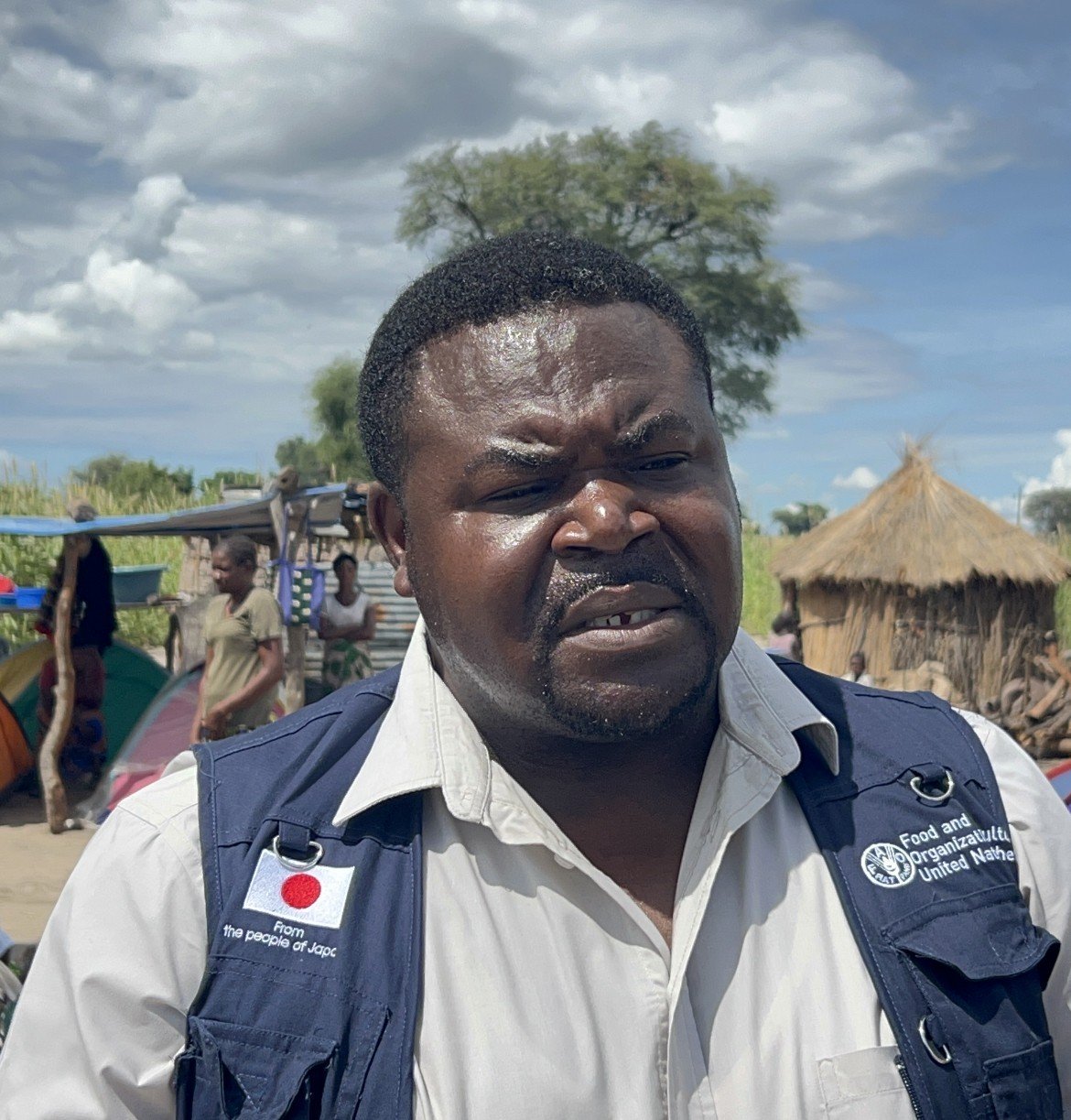

New Era’s regional journalist John Muyamba (JM) engaged the former chairperson of the Kavango East Regional Council, Damian Maghambayi (DM), on his tenure.
JM: What are your key achievements as chairperson of Kavango East Regional Council and Mukwe constituency councillor, and their measurable regional impact?
DM: My biggest achievement was moving a motion adopted by Council to use surcharges from NORED and VAT refunds for regional development. Previously, these funds supported operational costs within the Council, but we resolved that they should fund development projects in the constituencies, sharing the funds equitably among six areas.
The impact has been life-changing: communities have gained access to electricity, clean water, and income from project materials. Most Councillors used surcharge funds for electricity, and in Mukwe, we electrified Shamundambo and provided clean water at Thikanduko.
Another notable development was addressing the water shortage at Rudhiva, an area with frequent crocodile attacks due to reliance on the river. I involved the River Dance Lodge owner via a community activist, and they sponsored drilling and installing a borehole, extending pipelines to supply the community.
We received support from MUDIRO NGO, which drilled boreholes in the area. SLB Namibia, a high-tech energy company, contributed by drilling and installing boreholes in Bwabwata, Omega 1, Shamakwi, and Bravo at Mushashani.
JM: Can you share how you sourced resources for your community?
DM: As chairperson, I directed the chief regional officer to summon ReconAfrica to the Council to agree on their social responsibilities. ReconAfrica, a Canadian oil-and-gas company in the Kavango Basin, conducts seismic surveys and drilling test wells with Namcor to assess oil or gas reserves.
During our engagement with ReconAfrica, we highlighted regional challenges: water scarcity in rural areas, leading to human-wildlife conflict; funding gaps for vulnerable students; and healthcare equipment shortages. ReconAfrica supported all sectors, drilling more boreholes, providing scholarships, and supporting healthcare.I petitioned the former prime minister about the Kavango East Regional Council’s insufficient budget from the Ministry of Urban and Rural Development. We met with the prime minister, who also called in MURD, the Ministry of Finance, and the National Planning Commission. We presented our case for more funding, and afterwards, we received an additional N$2.5 million.
JM: What were the biggest frustrations and challenges as chairperson, and how did you overcome them?
DM: I faced sabotage from some individuals or offices, but stayed calm and used legal frameworks, citing the Namibian Constitution and the Regional Councils Act. Other frustrations included food poisoning, human-wildlife conflict, lack of feeder roads, insufficient water, missing documents, clinic shortages, and electricity issues. We provided immediate support to families during funerals for food poisoning. Thanks to Honourable John Mutorwa for initiating a consultative meeting with Traditional Authorities and communities in Ndiyona to raise awareness and explain the dangers.
Regarding human-wildlife conflict, we note that the Ministry of Environment and Tourism drilled and installed boreholes in Mukwe and granted tourism concessions to the Hambukushu community in the Buffalo and Mahango core areas, helping communities raise funds. We submitted a master plan for feeder roads to the Roads Authority, which I believe is receiving attention, leading to the operational status of Djaradjara Road, Andara – Shamaturu, and Rundu Kayengona Road. In water, a benchmarking study in Zambezi showed the region is connected by pipelines from the Zambezi River. We recommended similar for Kavango East, resulting in the Rundu Water Treatment Plant connecting the region with pipeline water. On national documents, we launched outreach programs with the Ministry of home affairs to assist our people in obtaining documents. We also invited the minister of mines and energy to evaluate regional electricity needs.
JM: What unresolved projects or issues are there in the region that the new councillors must focus on?
DM: The incoming team must ensure the feeder-roads master plan is implemented. On water issues, we provided names of villages vulnerable to crocodile attacks; incoming councillors should ensure boreholes are drilled there. We renewed our agreement with Mashonaland West to support food security and governance, proposing projects to uplift the region that should be prioritised.
JM: What is your single most important piece of advice for the incoming chairperson?
DM: He or she must stay composed, focus on issues raised by inhabitants on mudukuli, and listen to Wato radio FM. Avoid being bossy. The Regional Councils Act and Code of Conduct should guide them.
JM: Were there decisions you avoided, and in hindsight, was that the right approach?
DM: Yes. I avoided making any decisions that would advance a particular ethnic group without the consent of the Traditional Authorities. I believe this was the right approach.
JM: Considering your experience, what reforms are needed in the council’s structure or processes to improve service delivery?
DM: The Council requires a stronger legal mandate and resources, not structural reforms. Section 28 of the Regional Councils Act grants powers from Article 108 of the Namibian Constitution, enabling the Council to plan and develop its region, considering:
The region’s physical, social, and economic traits, including neighbouring areas; population distribution, growth, movement, and urbanisation, natural resources and economic potential; and existing or planned infrastructure like water, electricity, communication, and transport systems. These powers must be fully respected and supported with resources so the Council can effectively serve Kavango East residents. Planners should not be confined to offices; they must engage in outreach in remote areas to involve the community in planning.
JM: Where to from here, future plans?
DM: I am a community activator focused on my region and people. If the government doesn’t offer me a job, I plan to create an NGO to support community welfare, address poverty, and improve access to services.
-jmuyamba@nepc.com.na