

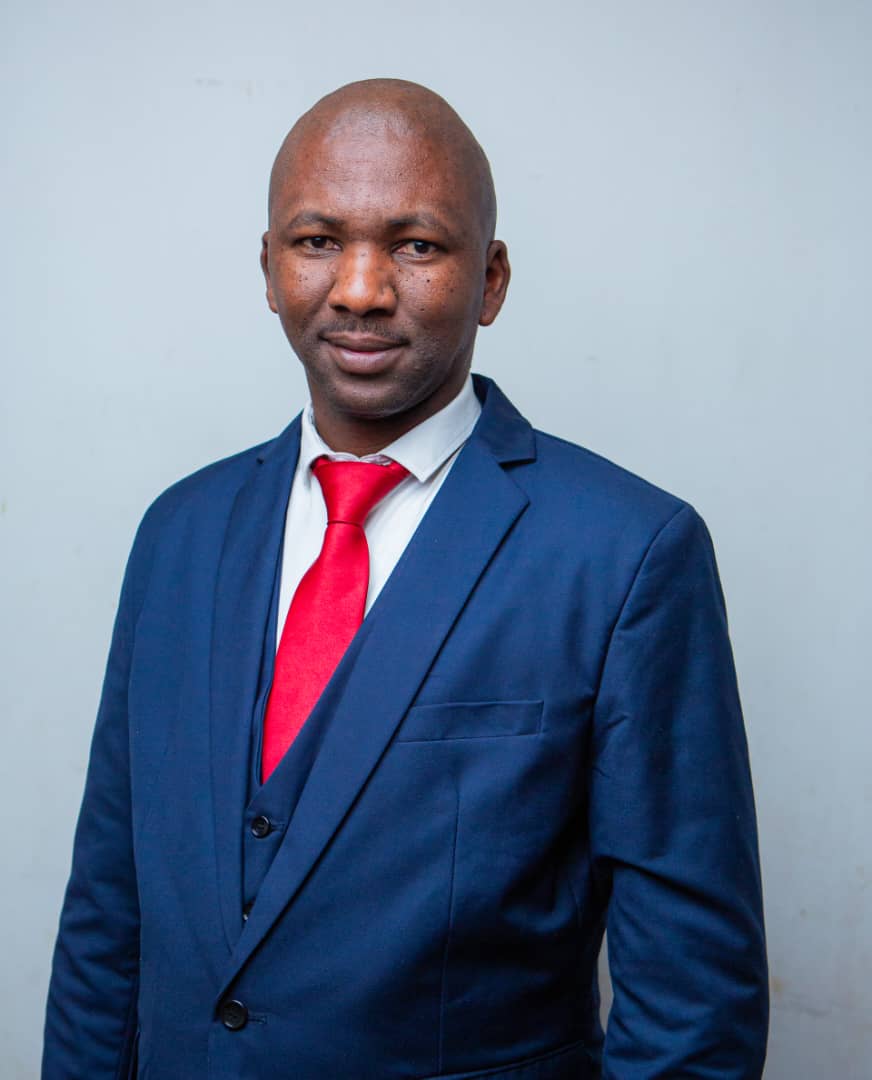

Armed with little more than conviction, compassion, and courage, Shaun ‘Asprilla’ Gariseb strives to become a powerful voice for Namibia’s underprivileged.
Despite having no budget or major backing, Gariseb has consistently proven that determination, not resources, drives real change. A civil servant turned community activist, Gariseb studied Business and Public Administration at the Namibia University of Science and Technology (NUST) and currently works at Legal Aid, where he provides representation for Namibians in need of essential services.
In this in-depth conversation with New Era’s Senior Sport journalist Limba Mupetami (LM), Gariseb (SG) speaks candidly about his motivations, the battles he’s fought, and his vision for Namibia’s future.
LM: What inspired you to become an activist, and what moment or experience solidified your commitment to driving change in Namibia?
SG: My activism is an extension of who I am. It began during my tenure as a civil servant at the Directorate of Legal Aid, where our work focused on providing legal representation to indigent members of society. It was there that I truly began to understand the depth of social injustice in Namibia, how inequality, poverty, and exclusion are woven into the daily lives of many.
But the defining moment for me came in 2014, when I witnessed the home evictions in Katutura Central and the forced removals of generational farmworkers along the corridors. These were ordinary Namibians, families with histories, hopes, and dreams, being stripped of their dignity. Watching people’s homes being torn down while they pleaded for fairness broke something in me. That pain turned into purpose. I realised then that silence in the face of injustice makes one complicit, and I couldn’t stand on the sidelines any longer. That was when I decided to dedicate my life to activism, challenging systems that perpetuate inequality and fighting for a Namibia where justice is lived, not just spoken about.
LM: What are the main social or political issues you’re currently focusing on, and why do you believe they’re critical for Namibia’s future?
SG: At present, I am deeply involved in several pressing issues, but foremost among them is the /Khomani communal land issue. The /Khomani Traditional Community, descendants of the first people of Namibia, remain largely landless despite there being over 2 000 farms across the country. We’re advocating for at least 10 farms to be allocated to the community as a starting point. Their dispossession is a national shame; it reflects the unfinished business of land reform and our collective failure to address historical injustice.
Beyond land, I focus on service delivery through local authorities and youth empowerment. I am pleased that some of the National Youth Development Fund proposals we submitted are being seriously considered. For instance, we suggested that BIPA business registration should only happen after funding approval, to protect young entrepreneurs from financial risk. We also proposed stronger protection for intellectual property and ideas, because too often, youth innovations are exploited or uncredited.
Another priority is pushing for the Community Development Fund Bill. Currently, constituencies receive only N$250 000, which is wholly inadequate, some constituencies have populations of 70 000 people. We propose that each constituency should receive at least N$1 million annually to support youth, women, and community development projects in a meaningful manner. If implemented, this will ease the burden on national ministries and empower constituencies to be self-reliant engines of growth.
These reforms are not just technical adjustments; they’re essential to ensuring equity, opportunity, and dignity for all Namibians.
LM: Namibia has a young population; how do you think young people can be better empowered to take leadership roles in shaping the country’s direction?
SG: Namibia’s future rests on its youth, but empowerment starts with self-awareness and participation. Young people must take ownership of their space, especially in politics and community leadership. Too many young professionals gain expertise but withdraw from civic affairs. Real change begins at the grassroots, whether it’s helping at your local school, mentoring others, or organising community projects. Leadership isn’t about positions or titles; it’s about responsibility.
We must also create structures that encourage young people to participate meaningfully, not just symbolically. The government, civil society, and private sector must collaborate to mentor and support emerging leaders. If young Namibians understand the power of their collective voice, they can redefine this nation’s direction.
LM: Activism often comes with obstacles. What challenges have you faced in your work, and how have you managed to stay motivated despite them?
SG: My activism is inseparable from my professional life, so I don’t see challenges in the conventional sense. I’ve accepted that this is a calling; it requires total dedication. My days are long; I work 24 hours if necessary, advising people on issues ranging from prison cases and domestic disputes to constitutional matters.
If there’s one challenge, it’s that I have little personal time. My life revolves around service. However, I stay motivated because I know that every piece of advice, every letter written, and every case pursued has a direct impact on a real human life. When I see people regain their homes, access land, or get justice after being ignored for years, that’s what fuels me.
LM: How do you ensure that your activism remains rooted in the needs and voices of the communities you represent or advocate for?
SG: I stay grounded by remaining connected to the people. I know where I come from, and I understand the struggles of ordinary Namibians. Earlier in life, I went through my share of distractions and youthful mistakes, but I realised that I was failing my calling by indulging in toxic habits. Now, I stay focused through prayer, reading, and surrounding myself with positive influences.
I don’t socialise much anymore; my relaxation comes from intellectual engagement, discussing ideas with friends, or playing PlayStation with one close friend who happens to be a brilliant lawyer. We debate everything under the sun. It’s my way of staying mentally sharp and emotionally balanced. That humility and sense of learning keep my activism people-centred rather than ego-driven.
LM: Have you seen tangible policy or social changes result from your activism? If so, could you share an example that you’re particularly proud of?
SG: Absolutely. One of my proudest moments was influencing the Electricity Control Board (ECB) to issue a directive to the City of Windhoek, urging it to stop disconnecting electricity over unpaid water bills. Following my proposals and formal objections, the government also allocated N$550 million in 2024 and N$225 million in 2025 to subsidise electricity costs and cushion the public from tariff hikes. Since 2016, we have fought to stop banks from repossessing homes in Katutura through unfair legal procedures, and I’m proud that fewer families are losing their properties today. I’ve also been part of efforts to amend outdated laws that no longer serve the national interest. Activism in Namibia is often thankless. When changes happen, officials rarely credit the activists behind them, but for me, that’s never been the goal. Seeing people’s lives improve is reward enough.
LM: Looking ahead, what is your vision for Namibia in the next 10 years, and what role do you see activism playing in achieving that vision?
SG: My vision is a Namibia of fairness and opportunity, where our natural resources benefit every citizen, not just a few. I envision stronger political will to genuinely empower the poor and working class, improved infrastructure, especially a modern national sports stadium, and a thriving creative industry where artists and musicians are treated with respect.
I was disappointed by the recent Jazz Festival, where local artists were reportedly paid less than N$5 000 while foreign performers enjoyed VIP treatment. That’s not acceptable. Our artists deserve dignity and equal opportunity.
In the next decade, activism must continue to hold power to account, speak for those who are unheard, and demand that leadership remains people-centred. I believe that if we act collectively, with empathy, courage, and conviction, Namibia can become a country where justice is not an aspiration but a lived experience for every citizen.
-lmupetami@nepc.com.na