


It has been 36 years since independence, and Namibia has not developed a comprehensive memorialisation regime.
This article, therefore, examines the foundational principles necessary for meaningful genocide memorialisation and why they are essential for preserving historical truth, honouring victims, and advancing justice.
Genocide remembrance is not only a moral obligation toward those who suffered and perished, but also a vital responsibility to future generations.
Comprehensive genocide memorialisation provides the evidentiary basis necessary for remembrance, education, and the ongoing struggle for reparatory justice. It ensures that the atrocities committed, the intent behind them, and their devastating impacts are permanently recorded in the national consciousness.
To achieve this objective, genocide memorialisation should be anchored on key pillars:
Genocide Remembrance Day, Educational Curriculum, Monuments and Statues, Museums and Literature, Legal Framework, and a Genocide Memorial Authority.
The Namibian Constitution lacks explicit provisions on genocide memorialisation, underscoring the need for legislative frameworks to protect and promote genocide memory. Its principles, especially Article 8, safeguard human dignity, a core constitutional value.
Article 19 of the Constitution guarantees the right of every person to enjoy, practice, and promote their culture, language, tradition, and religion. For the descendants of the Ovaherero and Nama peoples, commemorative practices, remembrance ceremonies, and the preservation of historical narratives are integral to cultural identity and collective memory. Genocide memorialisation, therefore, contributes to the protection and promotion of these constitutionally protected cultural rights.
The first pillar is a Genocide Remembrance Day, a vital instrument for acknowledging historical injustices and honouring the memory of victims. In Namibia, 28 May was officially inaugurated as Genocide Remembrance Day in 2025 by the President of the Republic of Namibia, Netumbo Nandi-Ndaitwah.
This national day provides an opportunity for Namibians to reflect on the atrocities committed during the colonial period and to honour the memory of the victims. Annual commemorations should include national ceremonies, educational activities, public discussions, and cultural events. These activities help ensure that the memory of the genocide remains alive in the national consciousness and reinforces a collective commitment to justice, human dignity, and the prevention of future atrocities.
Education, as one of the pillars of Genocide remembrance, is one of the most effective tools for preserving historical memory and preventing the recurrence of atrocities. Recognising this, the National Assembly of Namibia resolved that the Ministry of Education, Innovation, Youth, Sport, Arts and Culture (MEIYSAC) should incorporate genocide studies into the national school curriculum. Key themes could include: The history of colonialism in Namibia; causes and events leading to the genocide; land dispossession and colonial policies affecting the land disposed; resistance movements and the outbreak of war in 1904; The extermination campaign and the suffering of victims; concentration camps; population losses, destruction of communities, and displacement; Testimonies, oral histories, and cultural memory of affected communities; International human rights and the Convention on the Prevention and Punishment of the Crime of Genocide. There is a need for a broader consultative process towards the realisation of this noble objective. The relevance and importance of genocide, because of its vast complexities, should be treated as an entire topic or chapter on its own, to be taught at all levels under basic education.
Physical memorials play an important role in preserving public memory. Monuments, statues, and memorial parks create spaces where communities can honour the victims and reflect on the past. Key historical sites where memorial monuments could be established include Ohamakari, Gibeon, Vaalgras, Ouparakane, Seeis, Swaartfontein, Kanus, Gochas and so on. Additional monuments should be erected in historically significant towns such as Windhoek, Okahandja, Swakopmund, Lüderitz and Keetmanshoop. In this regard, it is anticipated that MEIYSAC would, as soon as practicable, begin consultations with the communities of descendants of genocide victims to assist in identifying these genocide sites.
As part of Namibia’s long-term strategy for genocide memorialisation, consideration should be given to establishing a Genocide Memorial Museum. The museum could serve several important functions. Firstly, it would act as a permanent repository for historical artefacts, archival records, photographs, testimonies, and cultural objects related to the genocide and the broader colonial period.
Secondly, the museum would function as an educational centre for schools, universities, researchers, and the general public. Thirdly, the museum could incorporate a memorial and reflection space dedicated to the victims and survivors from the Ovaherero people and the Nama people. Finally, the Genocide Memorial Museum could partner with regional museums, heritage sites, and memorial monuments across Namibia. A sustainable approach to genocide memorialisation requires a clear legal framework. This legislation could include protecting genocide-related sites, establishing a national archive, including genocide education in curricula, creating museums, removing or renaming symbols honouring perpetrators, and funding research and preservation. The law should also require consultation with descendants of genocide victims in all genocide memorialisation initiatives. Namibia should establish a Genocide Memorial Authority to oversee Remembrance Day activities, education programs, museums, monuments, and historical preservation. This institution would ensure that genocide memorialisation is implemented consistently and respectfully across the country. Through the institutionalisation of remembrance mechanisms such as national commemorations, education, monuments, museums, and legal frameworks, Namibia can provide a comprehensive and sustainable approach to ensuring that the Genocide is neither forgotten nor repeated.
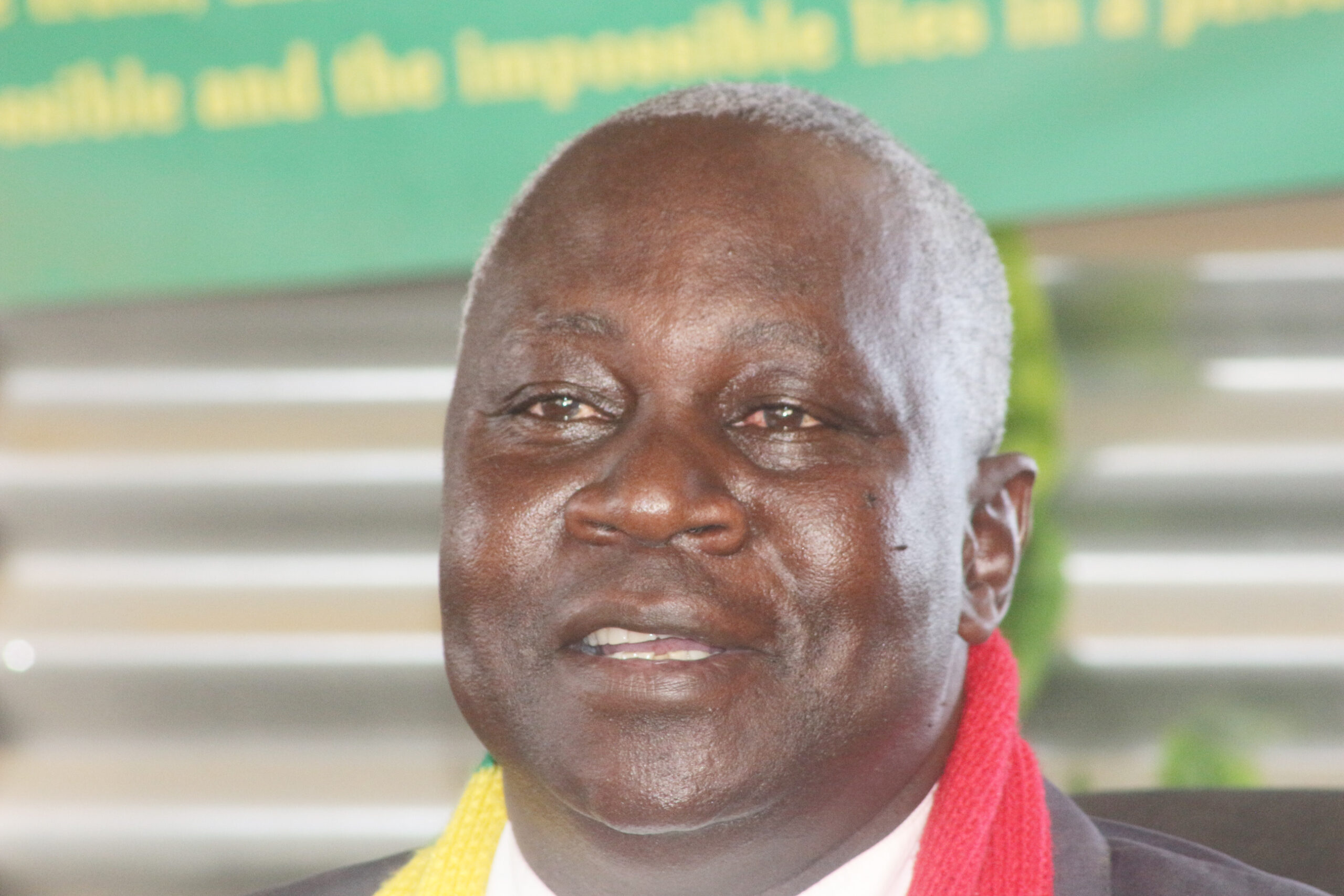
*Usutuaije Maamberua is a former Member of Parliament, a descendant of the Ovaherero and Nama genocide and a veteran of the liberation struggle.