


No one can cure a virus with a virus. Only medicine can treat a virus. In other words, you cannot solve a problem by creating another problem. But some people do not understand this simple logic.
Some people are now celebrating as if they had just found a cure for cancer. But there is nothing to celebrate about the recent announcement by the government approving pension-backed home loans. Under this scheme, members of the Government Institutions Pensions Fund (GIPF) will now be able to buy homes using their pension funds as collateral. But this is not a solution to the housing crisis. It is just another jackpot bonanza for the banks and tenderpreneurs. The wolves are smelling blood.
The bankers and tenderpreneurs must be drooling at the prospect of more clients and more profit as more people will now be able to buy a house.
But this is a disaster in the making. I am afraid the very same people that are celebrating the approval of the pension-backed home loans will end up crying. I believe the GIPF-backed housing scheme will worsen the housing crisis. Since more people would be able to afford a house, the demand for housing is likely to increase. And this would push up the housing cost due to a high demand. High housing costs are likely to push up the living cost with high inflation. In the end, the government will be forced to raise the salaries of the civil servants.
Another problem with this scheme is that you have to work for the government for a number of years in order to accumulate enough funds/pension in order to get an appropriate loan from GIPF. Meaning that if you have only worked for the government for a few years, then you are not likely to get enough money from GIPF as a loan to buy a house. Some of the civil servants who have worked for the government for about 10 years have accumulated less than half a million dollars in pension. So how much money would such a person get to buy a house?
Then if you die or resign but you didn’t finish paying off your loan, your pension is likely to be ‘repossessed’. Leaving your potential beneficiaries destitute.
And remember that the loan must be paid back with interest, not just for the sake of making profit, but because the value of money depreciates over time. The scheme is also likely to force loan holders to take life cover as well. Which would again push up the housing mortgage.
The solution to the housing crisis is affordable housing. Nothing more, nothing less. But not prefabricated housing or pension-backed home loans.
Lack of planning after independence has led us to where we are today. Thousands of people returned from exile. Many were given jobs in the government and so on. But we didn’t build enough affordable housing to accommodate them. Then we built a university (and polytechnic/NUST). We knew most of the graduates would want to work/live in urban areas. But still, we did not build enough affordable housing. We told investors/foreign nationals to invest/work in Namibia, but we did not build affordable housing where they would stay. Then we also empowered women, which is a good thing. We knew an empowered woman would want to live in a modern house. But still, we did not build affordable housing. We demolished the compounds/hostels (eekomboni) for migrant workers. Instead of renovating, upgrading and modernising them. And so, a few years after independence, we had a housing crisis. Botswana, a landlocked country with fewer resources than Namibia, has no shanty towns. How did they do it? Certainly not through the pension-backed home loans.
There is simply no political will to tackle the housing crisis. At independence, one could buy a house for N$100 000 in Pionierspark. But today that amount will not even buy you a serviced plot in Okahandja. At Walvis Bay, a house that was bought for N$30 000 about 25 years ago is now valued at more than N$500 000.
The other day I was listening to Swapo secretary general Sophia Shaningwa, saying the reason why housing is expensive in some areas is because the land is too expensive to service, therefore making housing more expensive. Yes, it is true the land in Windhoek is rocky. But these rocks didn’t grow after independence. They have been there since the Stone Age. But at least the apartheid government built affordable housing on that very same land, which is apparently more expensive to service now. And what about other towns whose soil is cheap to service anyway? Shaningwa is the mouth of the ruling party, remember. So, what she says could be interpreted as a reflection of the ruling party’s position.
We must stop playing with people’s emotions and build affordable housing.
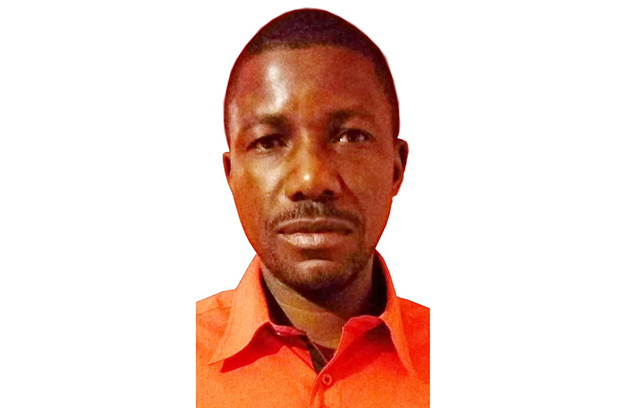
*Salom Shilongo writes as an independent analyst.