
Rudolf Gaiseb
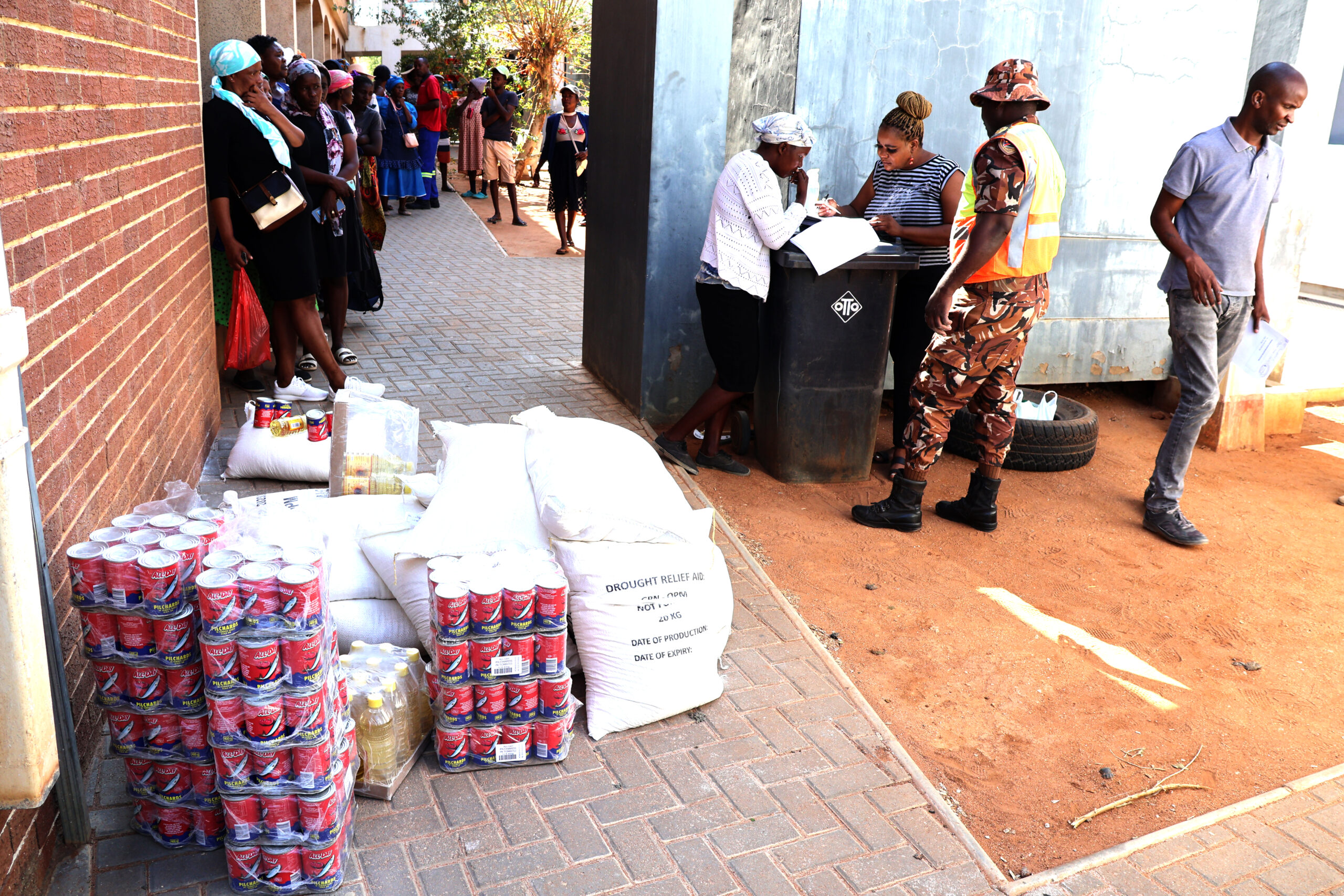
The Office of the Prime Minister (OPM) has clarified its decision to mobilise and deliver 27 200 bags of Chinese-donated of rice to drought-hit beneficiaries in the Oshikoto region only.
Earlier last week, OPM reported that China donated rice bags to the national drought relief programme.
In a statement, OPM executive director I-Ben Nashandi stated the reason it was deployed to this part of the country was that Oshikoto was among the regions that had not received donated food items from previous donations.
“Any claims suggesting that the allocation was influenced by tribal considerations due to President Nangolo Mbumba’s origin in the Oshikoto region are unfounded and misleading. The OPM strongly refutes such allegations and reaffirms its commitment to a transparent, needs-based distribution process, guided solely by humanitarian priorities and thorough assessments. We remain committed to ensuring a fair and balanced distribution of donations received,” he stated.
During this week’s donation, out of the 28 485 drought relief beneficiaries in the region, only 22 200 received the rice.
In retrospect, Namibia previously received a donation of 2 500 metric tonnes (150 000 bags of 10 kg rice) from China towards the 2016/17 drought relief programme.
He said the donation significantly contributed to food assistance for drought-affected communities in the Erongo, Khomas, Oshana and Hardap regions.
He added that the decision to deploy the rice was also influenced by the high prevalence of acute malnutrition found in the region.
“The Ministry of Health and Social Services conducted a Standardised Monitoring and Assessment of Relief and Transitions (SMART) survey in 2024, which assessed the nutritional status of children (six to 59 months) and women of reproductive age across all 14 regions. This data further justified the allocation of the donated rice to the region to remedy the situation,” he underscored.
The office pinpointed the donations have always been allocated to the various regions, based on the donated quantities in consideration of the beneficiaries per region and quantities of available food stocks in regional warehouses, among other factors, to avoid oversupply of food, which can result in food spoilage. Moreover, the OPM disapproved of the claims that the rice is artificial.
“All food donations received in Namibia undergo rigorous health inspection processes with relevant institutions. These inspections include comprehensive quality verification to ensure compliance with Namibian food safety standards. All food donations are accompanied by a phytosanitary certificate, which provides detailed product specifications and facilitates thorough assessment by experts before distribution,” he noted.
State of emergency
President Nangolo Mbumba declared a State of Emergency on 22 May 2024, following the continued devastating impacts of drought on the country.
Since then, various stakeholders and development partners have come on board to augment the government’s drought relief efforts through donations.
These donations were distributed to drought beneficiaries in different regions.
Africa Deli donated chicken livers in rich gravy sauce (6 424 packs of 425 g) and baked beans in tomato sauce (5 960 packs of 500 g), which were distributed to Kavango East and Kavango West.
Undera Investment Group donated cooking oil (360 bottles of 750 ml sunflower oil blended with omangete), which was distributed to Oshana.
Deepsea Consolidated contributed dried fish (six MT/5000 of 1.2 kg), which were disseminated to Erongo, Otjozondjupa and Khomas.
Turkey gave tins of fish (1 988 tins of 400 g), Soya mince (994 packs of 500 g), and cooking oil (1 725 bottles of 750 ml). This was sent to Oshana.
Qatar gave boxes of food parcels consisting of maize meal, meat/chicken luncheon, cooking oil bottles, rice and tuna fish (3,996 various food parcels).
These were dispersed to Erongo, Hardap, Otjozondjupa, //Kharas, Kavango East, Kavango West, Omaheke, Khomas and Ohangwena. The same country gave another 58,000 food parcels comprising the same items, which were given only to Erongo, Hardap, Otjozondjupa and //Kharas at that time. Furthermore, India donated yellow maize grain (20 000 bags of 20 kg) and rice (20 000 bags of 20 kg), which was dispersed to Zambezi and Ohangwena.
Additionally, the National Fishing Corporation of Namibia donated fresh fish (500 boxes of 10 kg) to the programme.
This was for Khomas.
“As drought continues to affect communities, the longer the beneficiary list gets, Nashandi highlighted.