


Pricilla Mukokobi
Lissony Njembo
As Namibia enters the oil, gas, and green hydrogen industries, it faces an immediate need for skilled technical workers, particularly artisans capable of supporting large-scale industrial projects.
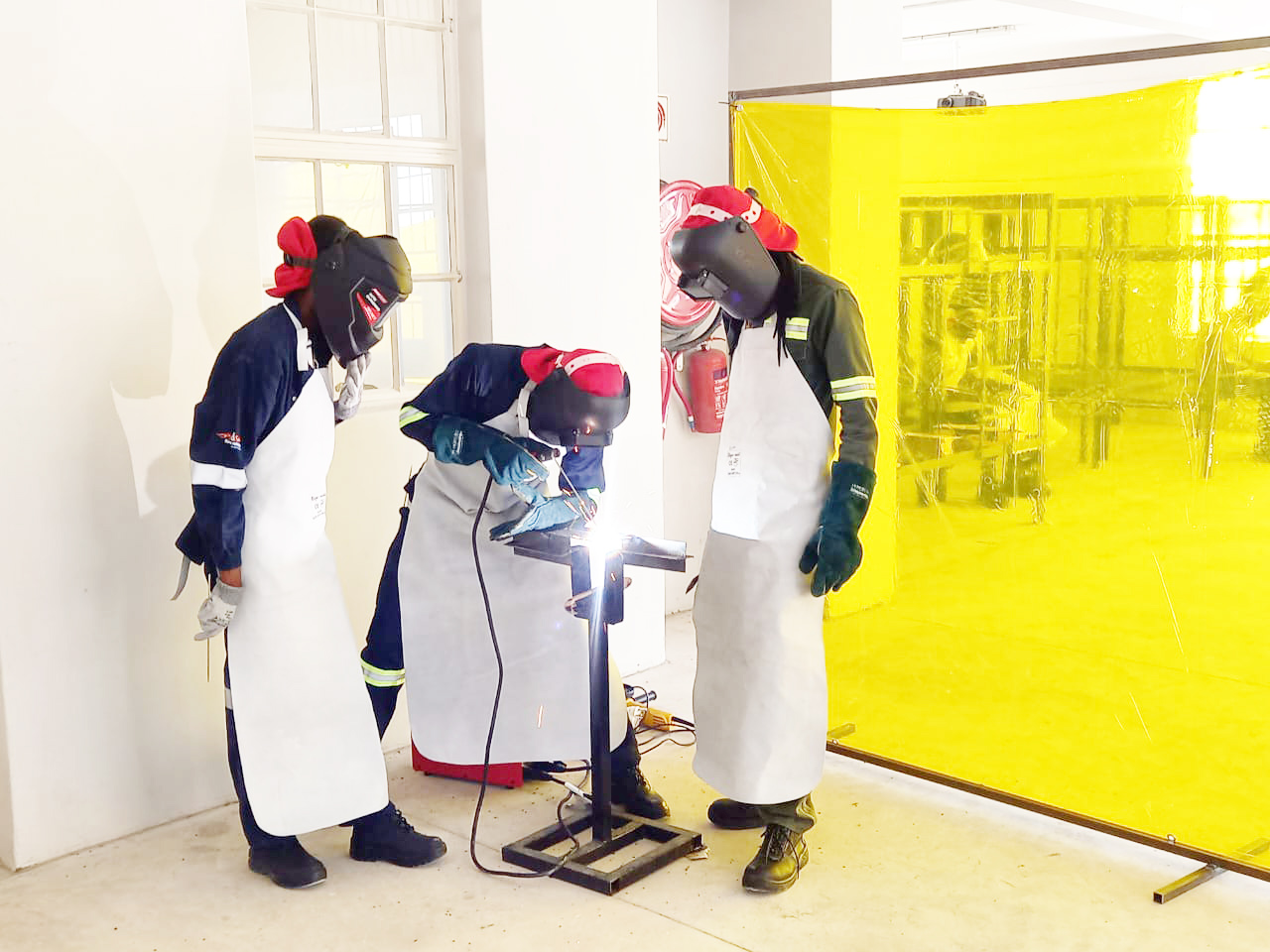
In response, youth from Outapi in the Omusati region began a five-day specialised welding training program at the Nakanyale Vocational Training Center on Monday.
The initiative aims to equip young people with practical skills critical to infrastructure development and manufacturing, while improving their employment prospects in emerging industries.
The training highlights the growing concern that Namibia might face a significant skills shortage in the coming years. In September, a local online source reported that without prompt investment in training, especially for the green hydrogen sector, the country could see a deficit of up to 130 000 skilled workers by 2040.
Erold Naomab, a former vice-chancellor of Namibia University of Science and Technology (Nust), emphasised that the success of the green hydrogen economy relies heavily on human capital.
“A green hydrogen economy requires more than infrastructure; it requires a skilled workforce to design, build, and sustain it,” Naomab said.
He noted that Namibia’s abundant solar and wind resources position the country well to become a global leader in green hydrogen production, with the potential to drive industrialisation, create thousands of jobs, and expand trade opportunities.
The Outapi welding workshop intended to help bridge this anticipated skills gap, especially in regions outside Windhoek.
Welding is used in the construction of pipelines, plants, and other infrastructure for oil, gas, and renewable energy projects.
Speaking at the opening ceremony, Omusati governor Immanuel Shikongo said the training was timely, as Namibia prepares for increased activity in the energy sector.
“This training arrives at a time when the nation is gearing up for expanded operations in oil and gas, and the rise of green hydrogen as a new frontier for economic growth. It is an investment in the future of our youth, particularly those from vulnerable communities,” he said.
He said the programme demonstrates a commitment to economic empowerment by providing young people with skills that can generate income, support households, and strengthen local industries.
The training is the result of a partnership between local and international stakeholders committed to job creation and skills development. The German Postcode Lottery is the programme’s main sponsor, while the German Embassy to Namibia provided the welding equipment used during the training.
A total of 20 trainees, including vocational students and members of the surrounding community, are participating in the program. The training focuses on essential welding techniques designed to meet industry standards and prepare participants for employment opportunities in the oil, gas, and green hydrogen sectors.
Organisers said the initiative is part of broader efforts to decentralise skills development and ensure that young people in rural and regional areas are not left behind as Namibia’s economy evolves.
By equipping youth with in-demand technical skills, the programme is expected to contribute to the development of a skilled artisan workforce, support national industrial goals, and uplift households across the Omusati region.
-pmukokobi@nepc.com.na