


Namibia’s Producer Price Index (PPI) fell by 3.9% in the fourth quarter of 2025, but it remained 3.1% higher than the same period in 2024.
This was released by the Namibia Statistics Agency on Friday in its latest quarterly report. Statistician-general and chief executive officer Alex Shimuafeni said the report provides a comprehensive analysis of producer price movements across key sectors of the Namibian economy for the period October to December 2025.
“The overall Producer Price Index declined by 3.9% on a quarterly basis. However, on an annual basis, the index recorded an increase of 3.1%,” he said.
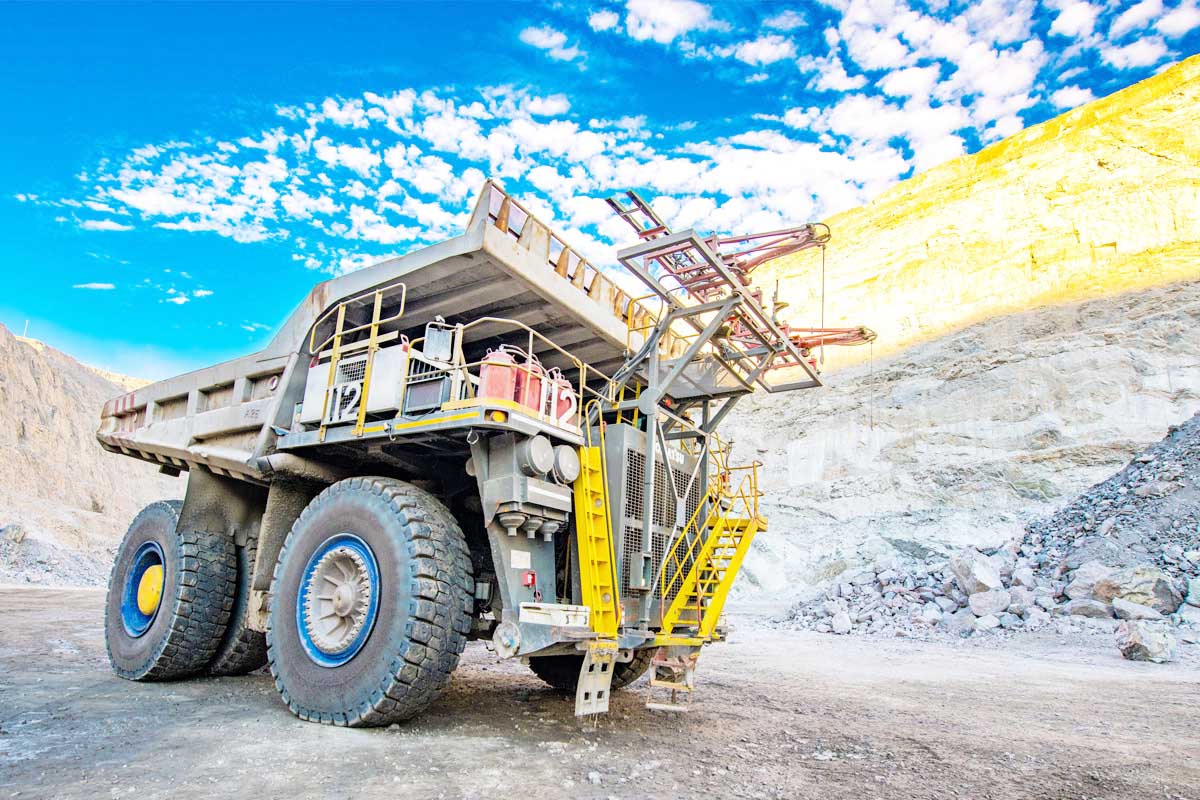
The mining and quarrying sector was the main reason for the quarterly drop. According to the report, the sector contracted by 13.4% compared to the previous quarter.
“This quarterly decline resulted from price decreases in diamonds, uranium and zinc,” Shimuafeni explained.
Diamond prices fell sharply by 36.0% during the quarter, while uranium declined by 7.8% and zinc dropped by 7.3%.
Despite the quarterly decline, the mining and quarrying sector posted a 1.5% year-on-year increase.
“The growth observed in the yearly index was mostly attributed to the increase in the price level of gold and salt products,” Shimuafeni said.
Gold prices rose by 50.4% over the year, while salt increased by 41.8%. These gains helped offset the weakness seen in other minerals.
While mining struggled in the final quarter, manufacturing recorded solid growth. The Producer Price Index for manufacturing increased by 4.4% during the fourth quarter of 2025. On an annual basis, the sector rose by 8.0%.
“The quarterly increase was largely driven by price increases in sub-sectors such as diamond cutting and polishing, manufacture of other non-metallic mineral products, fish processing on shore and meat processing,” Shimuafeni said.
Diamond cutting and polishing increased by 23.3% during the quarter. Other non-metallic mineral products rose by 9.4%, fish processing on shore by 8.9%, and meat processing by 5.2%.
On an annual basis, the strongest growth came from onshore fish processing, which surged by 81.2%.
“The primary drivers of the annual increase were price increases for onshore fish processing and meat processing,” Shimuafeni noted.
Meat processing rose by 7.1% year-on-year. Grain mill products increased by 5.1%, while non-alcoholic beverages recorded a 2.4% rise. The report paints a mixed picture for Namibia’s producers at the end of 2025. The sharp fall in diamond prices weighed heavily on quarterly results, while gold, salt and food-related manufacturing supported annual growth.
“The data reflects varying price movements across sectors, particularly within mining and manufacturing. These changes are influenced by both domestic production conditions and developments in international markets,” he said.