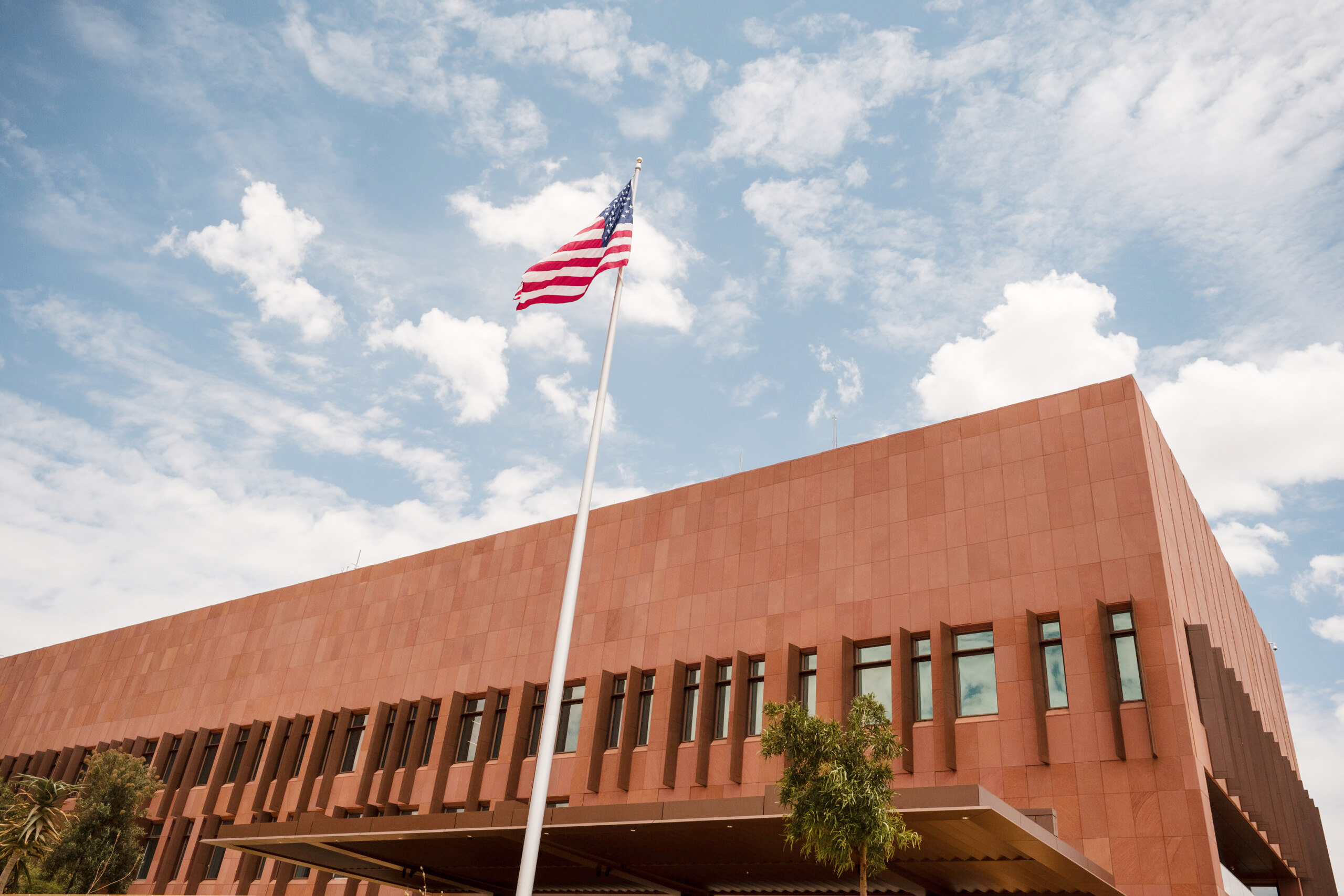

The US embassy in Windhoek has clarified the country’s recent decision to impose visa bond requirements on travellers from selected countries, which also includes Namibia.
It says this will not negatively affect Namibian students planning to study in that country, as those travelling on the F or M visas are exempted from the visa bond requirement.
This policy, which came into effect on 1 January 2026, will see citizens from Namibia, Tanzania, Guinea, Malawi, Zambia, Turkmenistan, Bhutan, Botswana, the Central African Republic, Guinea-Bissau and other nations pay security bonds ranging from US$5 000 to US$15 000 to access that country’s visa.
The embassy explained that Namibian participants in US government-sponsored exchanges and other cultural and professional exchanges who also travel on J visas, as well as F or M visas, are not subject to the visa bond requirement.
It said the visa bond applies only to Namibian individuals applying for the B1/B2, which are business and tourism visas, as those individuals will be required to post security bonds of US$15 000 or N$250 000 to apply for a US visa. “We also take this opportunity to emphasise that the visa bond programme implemented in Namibia, as well as 37 other countries, is part of a global pilot programme. We also want to clarify that the visa bond is not a fee. The visa bond is refundable if travellers respect the terms of their US visas. Upon return home, the visa bond will be automatically cancelled and the money refunded to the traveller if all visa requirements have been met (including not working in the United States and departing on time),” explained the embassy.
Under president Donald Trump’s administration, the US has taken significant steps to tighten its immigration and visa policies, and the expansion of the visa bond requirement is part of this broader trend.
The bond is intended to serve as a deterrent against visa overstays, which have been a persistent issue for the US immigration system.
By requiring applicants to post a security bond, the government aims to ensure that individuals will leave the USA before their visa expires, under the assumption that those who are willing to pay a hefty bond will be less likely to overstay their visa.
The policy does not guarantee that applicants will be granted a visa, and even if a visa is refused, the bond amount is refunded. For those who are granted a visa, the bond will be refunded only if they comply with the terms of their visa and leave the US on time.