


Eba Kandovazu
A total of 3 700 Namibians succumbed to HIV/AIDS in 2023, with 2 100 being women and 1 600 men.
This information was revealed by Axel Tibinyane, the acting executive director of health and social welfare policy in the Health ministry.
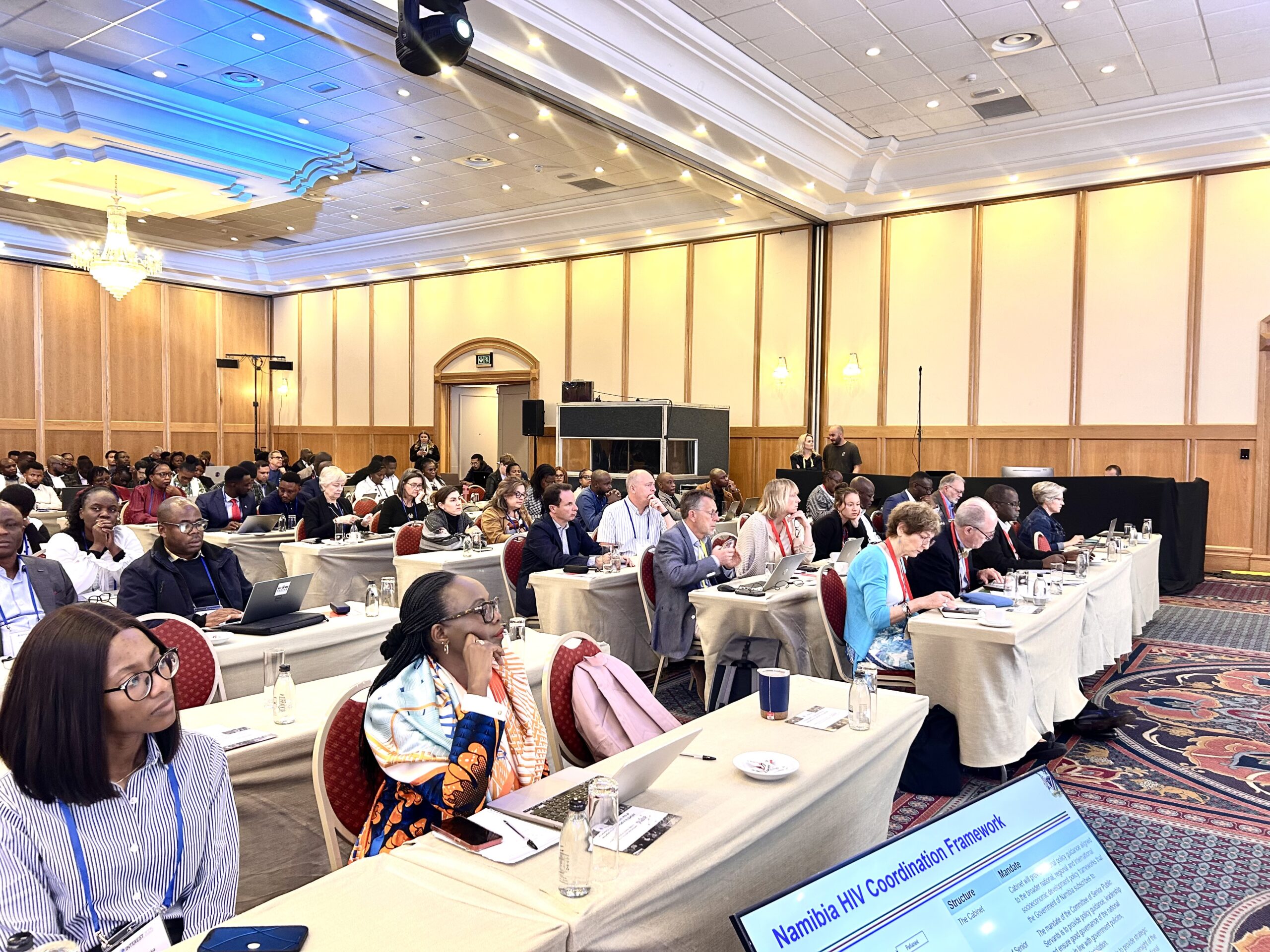
He shared these statistics at the 19th International Conference on HIV Treatment, Pathogenesis and Prevention Research in Resource-Limited Settings in Windhoek recently.
In the same year, Namibia recorded about 6 000 new HIV infections.
Tibinyane said 400 males between the ages of 15 and 24 tested positive for HIV in 2023, while 1 700 females between the ages of 15 and 24 tested positive for HIV in the same year.
Despite these figures, Tibinyane highlighted significant progress in the national HIV response.
Since 2010, Namibia has witnessed a 54% decline in new HIV infections and a 33% reduction in AIDS-related deaths.
In 2023, approximately 230 000 Namibians were living with HIV, with 150 000 being female and 80 000 male.
He revealed that 93% of Namibians knew their HIV status in 2023, while 95% of those living with HIV have been on treatment.
“Of those on treatment, 98% have been virally suppressed,” he added.
Victoria Kamule, the executive director of Tonata People Living with HIV, raised concerns about the impact of reduced funding from the United States government through USAID.
She said this decision has placed a significant strain on community-level HIV response and efforts, affecting crucial peer support networks and outreach programmes.
“It is important to remember that behind every funding cut is a person – a mother, a young woman, a peer educator, a father, son, a person who used drugs, and their lives are put at risk,” Kamule emphasised.
Prime Minister Elijah Ngurare said in a statement delivered on his behalf that Namibia has made significant progress towards achieving the UNAIDS 95-95-95 fast-track targets, which aim to end the AIDS epidemic by 2030 by achieving specific milestones in HIV testing, treatment and viral suppression.
Namibia was recognised by the World Health Organisation last year for its progress in eliminating the mother-to-child transmission of HIV and the hepatitis B virus, he added.
Furthermore, Namibia has made history by becoming the first country in the world to receive a Silver Tier designation for its efforts to eliminate mother-to-child transmission of hepatitis B, a remarkable achievement resulting from decades of integrated, community-centred health strategies.
-Nampa