

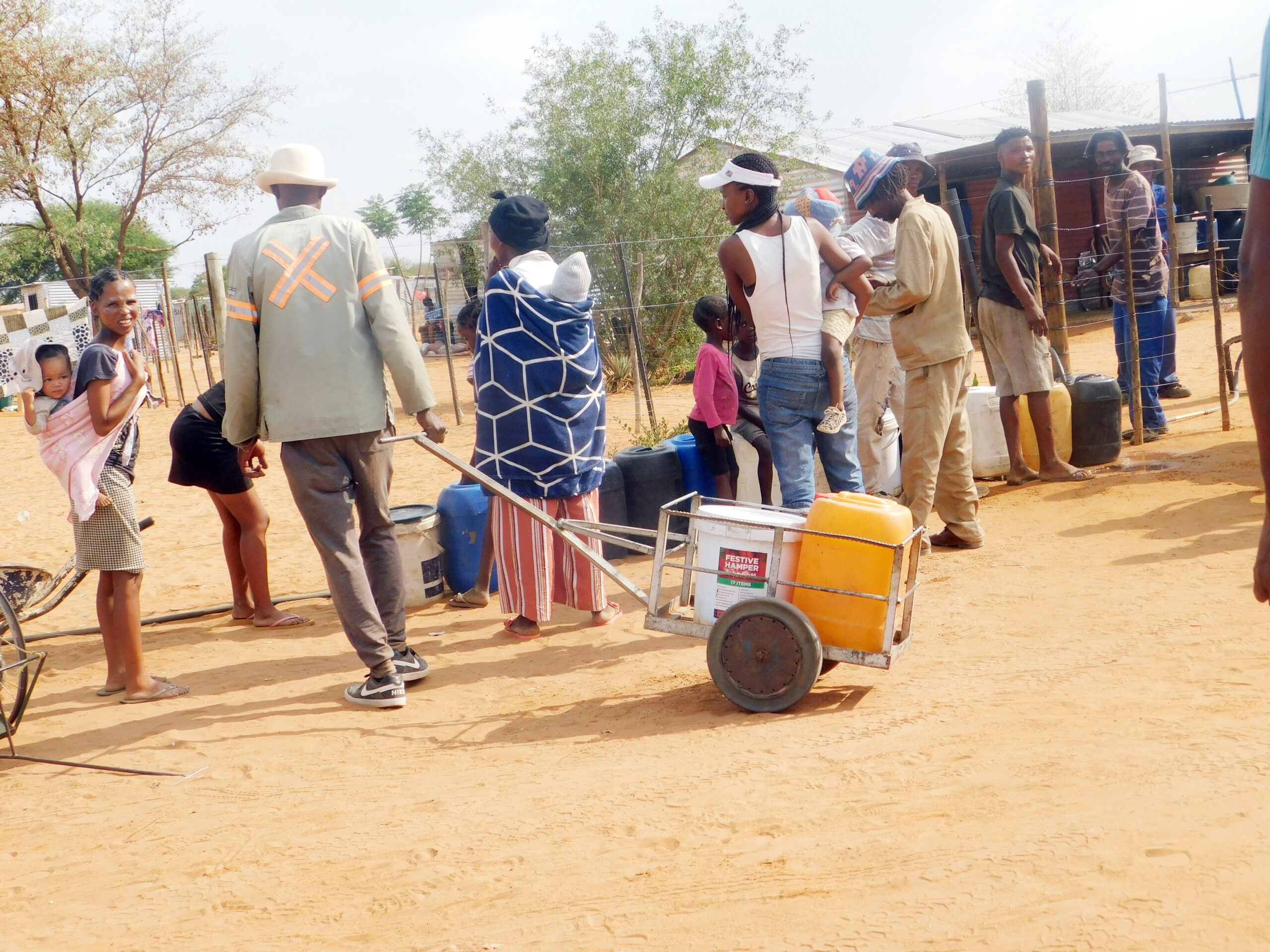

GOBABIS – A combination of strategic interventions by the Office of the Omaheke governor and partners resulted in a 20% reduction in severe acute and moderate acute malnutrition in the region.
One of the driving factors that helped with the reduction in malnutrition cases is the partnership between the governor’s office and Genesis,
an organisation focused on combating hunger and malnutrition in Namibia.
The partnership significantly advanced efforts to combat acute and chronic malnutrition among children under five and vulnerable households, with assessments across 12 locations indicating that over 800 children have been registered with soup kitchens where they have access to nutritious meals daily.
These efforts have seen referral success improve from 40% to 60%, representing stronger collaboration between soup kitchens and local clinics. Communities receiving regular Genesis meals saw a 20% decrease in chronic malnutrition, which speaks to reduced cases of severe acute and moderate acute malnutrition.
Omaheke governor Pijoo Nganate shared these statistics during his State of the Region Address (Sora) on Monday in Gobabis, where he said collaborative efforts will continue until all cases are subdued and equity is achieved.
Another collaboration is between the governor’s office and Headstart Kids, which developed the Omaheke Integrated Community Empowerment & Nutrition Initiative (OICENI), an initiative that adopts a multi-phased, five-year approach combining medical, social, and economic interventions.
“Year one will focus on baseline mobilisation through stakeholder mapping, community consultations, and the establishment of local structures, while initiating supplementation for women and children. The second and third years will scale infrastructure, launch a food processing facility, expand school feeding programs, and establish agricultural co-ops. The fourth and fifth years will promote sustainability by integrating processed foods into school feeding tenders, ensuring co-ops repay inputs with produce, and transitioning income-generating projects to community ownership,” said Nganate.
He added, “The interventions are structured across four areas, which are prevention and screening, including expanded supplementation, community outreach, and antenatal care; medical, with upgrades to Omaheke hospital’s paediatric ward, training for hospital staff, and expanded mobile outreach; social, involving community champions, outreach, and regulation of high-risk hotspots; and economic, with sustainable gardens, a feed mill, a fortified food processing plant, and skills training. Immediate implementation requires N$3.2 million while capital investment for the feed and fortification plants amounts to N$14 million, bringing the total projected cost to N$17.2 million.”
The Omaheke region is engulfed with unfavourable and unbelted figures of malnutrition that have affected the region for the past three years. The health ministry, Omaheke regional health directorate, started with the implementation of the Nutritional Assessment Counselling Support (NACS) program in 2012.
This service is currently offered at all health facilities, and it encompasses an individualised nutritional treatment with Ready-to-Use Therapeutic Food (RUTF) or Plumpy’nut for Severe Acute Malnutrition (SAM) and Ready-to-Use Supplementary Food (RUSF) or Plumpy’sup for Moderate Acute Malnutrition (MAM).
The assessment is done through growth monitoring [weight, height and mid-upper arm circumference measurements] as well as clinical assessment, providing counselling, support, and continuous monitoring of clients until fully recovered and reaching the discharge weight.
The target group is children under five years of age who are treated with a special individualised nutritional treatment, which needs constant monitoring. Children with severe acute malnutrition with complications are referred from the clinics to the hospital, and the mothers or caretakers are counselled on infant and young child feeding practices.