

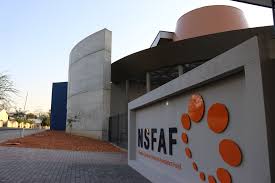

Rudolf Gaiseb
Namibia Students Financial Assistance Fund (Nsfaf)’s decision to begin sharing payment history of its loan beneficiaries with credit bureaus has come under fire.
In a public notice last week, Acting CEO Kennedy Kandume stated that, in line with the National Credit Bureau Regulations (2014), credit information providers in Namibia are required to submit credit performance data to registered credit bureaus.
The Fund, therefore, intends to comply with these regulations effective this month.
This will result in the submission of credit performance information about NSFAF loans to licensed credit bureaus in Namibia.
Nevertheless, the listing will also affect debtors who are still studying.
“We, therefore, encourage all NSFAF debtors to ensure that their loan accounts are up to date to avoid any negative implications on their credit profiles,” Kandume said.
If debtors are behind on payments, it could harm their credit score, affecting phone contracts, car loans or other financial services.
The Namibia National Students’ Organisation (Nanso) has criticised the move, stating that NSFAF has not assessed the reality on the ground.
“We don’t support what NSFAF is doing, and we are ultimately debunking it. From the onset, NSFAF should have assessed the reality on the ground. The wording of the statement suggests that they see the loans they have given to students as a concept and not as a reality,” Nanso spokesperson Jessy Abraham stated.
She said it is disheartening that NSFAF included those who are still studying.
NSFAF’s current repayment system stipulates that beneficiaries are supposed to repay their loans after varsity, given that they are employed.
Abraham added that students do not just come out of university and start paying off debts if they are unable to.
She cited scarce job opportunities and unemployment, which stands at 44.4%.
“It is discouraging to see that this is the path that NSFAF is choosing to go into, rather than looking into alternative measures that may not be direct, but perhaps a provision that speaks to when you are able to repay the loan,” she stressed.
Nanso stipulated that there is an employment crisis, “yet they want to put measures that are not sustainable and will disadvantage the person who sought help from NSFAF in the first place”.
The organisation said it does not support the repayment of the NSFAF loans because they had always advocated for a grant.
Student Union of Namibia’s legal secretary Intelligent Katire said it was an unnecessary procedure, according to the Credit Bureau rules, and that the directives are contradictory to what the NSFAF policy book stipulates.
He referenced the policy book, which states that loans are repayable to NSFAF when a period of six months has lapsed, when the student has completed his or her studies, he or she has found employment, or he or she is earning a threshold salary.
“NSFAF should educate us on how they want students who are still studying to keep their credit accounts up to date if they do not meet the qualifications stated in their policy book. Is NSFAF ignoring its own policies?” he questioned.
NSFAF justified that these provisions promote transparency, accountability and responsible credit practices within the financial sector.