


Rudolf Gaiseb
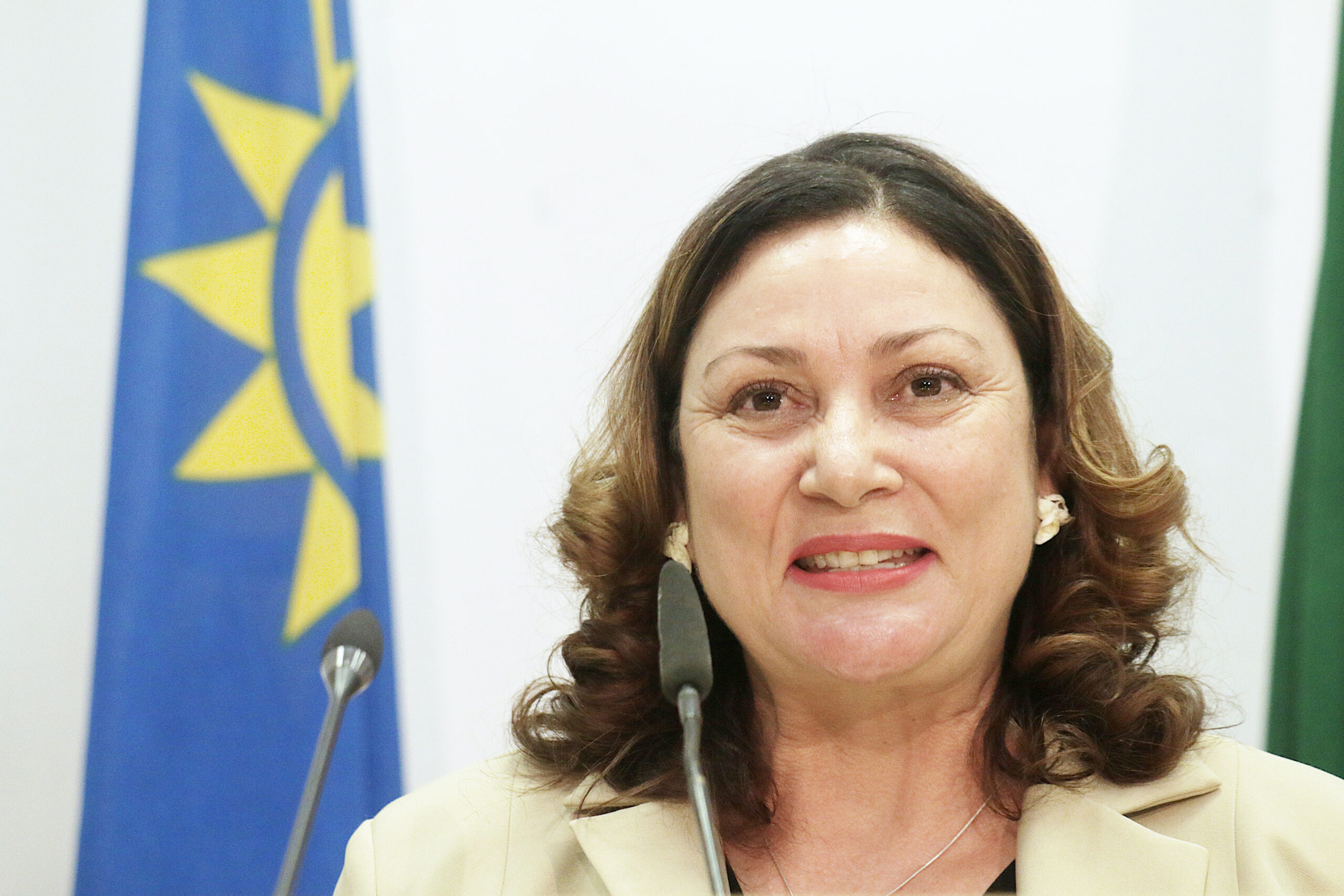
Education minister Sanet Steenkamp says while credit reporting is aligned with regulatory obligations, those still studying, unemployed, or earning below the tax threshold will not face negative listing or recovery actions.
This is after the Namibia Students Financial Assistance Fund (NSFAF) decided to begin sharing information about how its beneficiaries are repaying their loans with creditors.
While acknowledging that credit providers are required to disclose all credit extended, including loans granted to students, she strongly advocates that current students and other beneficiaries who have not reached repayment status due to ongoing studies, unemployment, or low income should not be adversely listed.
She argued that it is the responsibility of beneficiaries to update the NSFAF on their employment status to ensure appropriate classification.
“Their credit records should reflect the factual status without resulting in punitive consequences,” Steenkamp underlined.
In a public letter last week, NSFAF acting CEO Kennedy Kandume stated that, in line with the National Credit Bureau Regulations (2014), credit information providers in Namibia are required to submit credit performance data to registered credit bureaus.
“The fund, therefore, intends to comply with these regulations effective this month,” he indicated. Furthermore, if debtors are behind on payments, it could harm their credit score and make it a challenge to be approved for new loans, credit cards, or rental applications.
However, on Tuesday, Steenkamp acknowledged that the prevailing economic climate poses challenges for many graduates, including unemployment and underpayment.
NSFAF’s loan recovery efforts take into consideration the financial ability of beneficiaries, which Steenkamp supported.
As per NSFAF policy, beneficiaries are not required to repay while still studying or if they are unemployed or earning below the tax threshold.
“[However], we urge all beneficiaries who have completed their studies and are in a financial position to repay to regularise their loan accounts in order to maintain a healthy credit standing,” she said.
This approach, she said, aims to protect vulnerable beneficiaries while ensuring that those who are able to repay do so, thereby safeguarding the fund for future generations.
Additionally, NSFAF spokesperson Percy Tjahere noted that they are simply complying with the Credit Bureau Regulations of 2014.
From their vantage point, how credit bureaus determine the creditworthiness of NSFAF debtors after having received the loan payment information is up to these agencies and not NSFAF.
“It has nothing to do with us. What we are saying is that we are in compliance by informing our debtors. So, that is just the action that we’ve taken. It has nothing to do with whether you work or you don’t work,” he said.
He admitted that the fund has not been complying for a while and was prompted in a letter by the Bank of Namibia (BoN) in October last year.
Grant
Steenkamp highlighted that while the pronouncement of turning the NSFAF loan into a grant reflected an aspiration toward free education, the NSFAF Act mandated the institution to provide financial assistance to students and to recover from those who have received a loan. She noted that the government remains committed to progressively expanding access to higher education.
However, tuition at public institutions will be fully subsidised as of the 2026 academic year, marking a major step towards realising this vision, she underscored.
Further reforms are reported to remain under active consideration by the ministry, in collaboration with Treasury.
Moreover, the reintegration process of NSFAF into the ministry is at an advanced stage. The NSFAF Amendment Act, she added, has already been gazetted and is pending operationalisation.
According to Steenkamp, this transition requires substantial legal, financial and institutional restructuring, which is currently underway.
“Once completed, NSFAF will function as a directorate within MEIYSAC, enhancing alignment with broader national education and skills development goals,” she said.
Photo: Heather Erdmann