

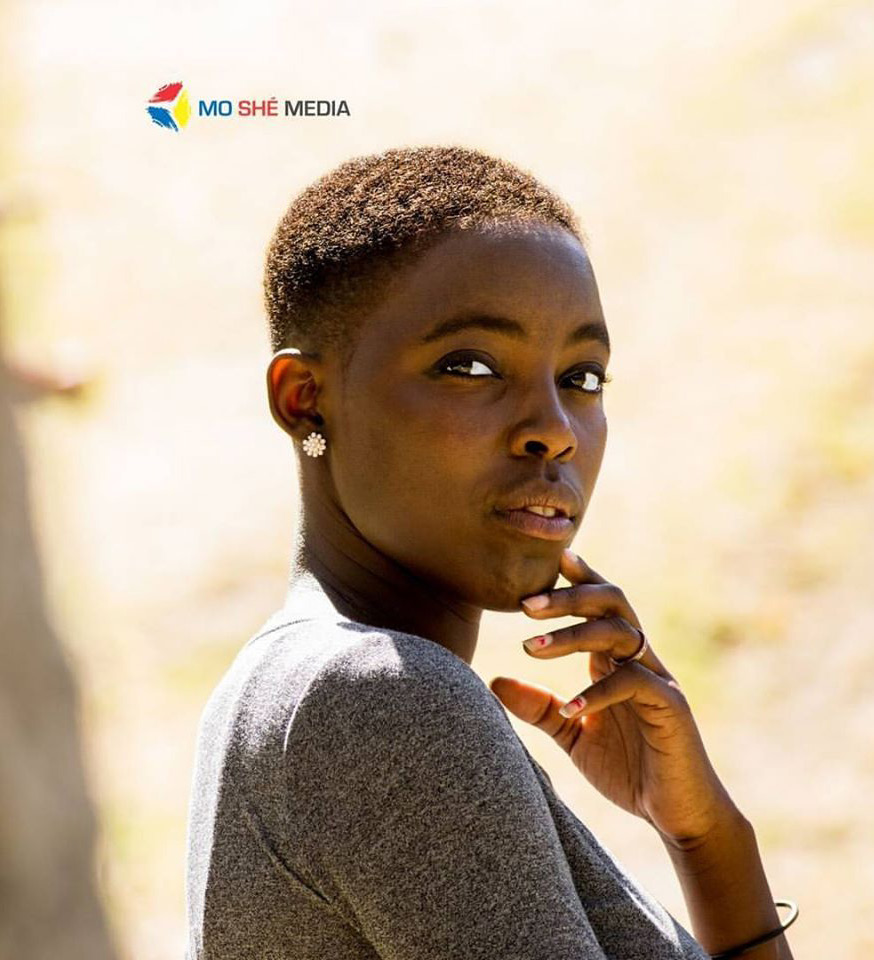

In Namibia, women have always been storytellers. From the elderly women telling folktales by the fire, to the aunties in Swakopmund and Wamboelokasie neighbourhood walls. Some people call it gossip, but for me, some of the things women talk and tell stories about are often things that are to their benefit. The act of sharing stories is something passed down through generations. With gossip attached to our identities as women, we have learned to use that notion to our advantage, and now, the way we speak is changing. And the world is listening, especially online.
Social media platforms like Twitter, TikTok, Facebook, and Instagram have become modern-day fire circles, where women gather, not in person, but through likes, shares, comments and threads. Here, Namibian women are no longer just keepers of stories; they are broadcasters, authors, critics and creators of their own narratives. We see women speaking openly about everything from gender-based violence and motherhood to business, sexuality and identity. And it’s not just talk; these conversations are shaping real change.
One example is the growing number of Namibian women using podcasting and YouTube to claim space in media. They are turning their so-called gossip into content with a purpose. Discussions that once happened behind closed doors or in hushed tones are now commanding thousands of views. Topics once considered taboo, like mental health, sexual health, and financial independence, are being tackled boldly and unapologetically. For example, the topic of finance in the country is currently being championed by women, and they are doing a great job at it. In doing so, these women are dismantling the stigma associated with “talkativeness” and rebranding it as activism, education and community care.
Language is central to this transformation. The way we speak, whether it’s in Oshiwambo, Afrikaans, English, or a mix of everything, often reflects our lived realities. Code-switching, once considered improper or unprofessional, is now being seen as a powerful linguistic tool. It allows us to express nuance, to relate deeply to our audiences and in most cases, to assert our cultural identity in spaces where we were once invisible.
But storytelling isn’t only about words. It’s also in how we present ourselves in other aspects of life, such as fashion, in memes, in dance videos, and in the ways we show joy and resilience. Storytelling is layered in our hairstyles, in our food prep videos, in our wedding vlogs and in our fashion hauls. Every caption, voice note, or selfie is a way of saying: “I was here. This is who I am.”
Of course, this new visibility comes with challenges. Misogyny and cyberbullying are very real threats for women who speak out. Being outspoken online often invites scrutiny and backlash, especially when it disrupts patriarchal norms. But even this hasn’t silenced us. In fact, it has made us more strategic and very deliberate. We are learning digital literacy not just to survive online, but to thrive, which also helps us foster safe digital communities where our voices are amplified and protected.
This is not to romanticise gossip or overlook the harm it can cause when weaponised. But rather to reclaim the term and honour the rich, complex ways in which women have always used storytelling as a form of connection, resistance and survival.
As Namibian women continue to claim their voice and space, the ripple effects are undeniable. We’re not just talking anymore, we’re archiving, challenging, documenting, and inspiring. And in doing so, we’re reshaping what it means to be a woman who speaks. The world may call it gossip. We call it power.
*Frieda Mukufa’s lifestyle section in the New Era concentrates on women-related issues and parenting. She also specialises in editing research proposals, proofreading and content creation.
– etuholefrieda@ gmail.com