


Lahja Nashuuta
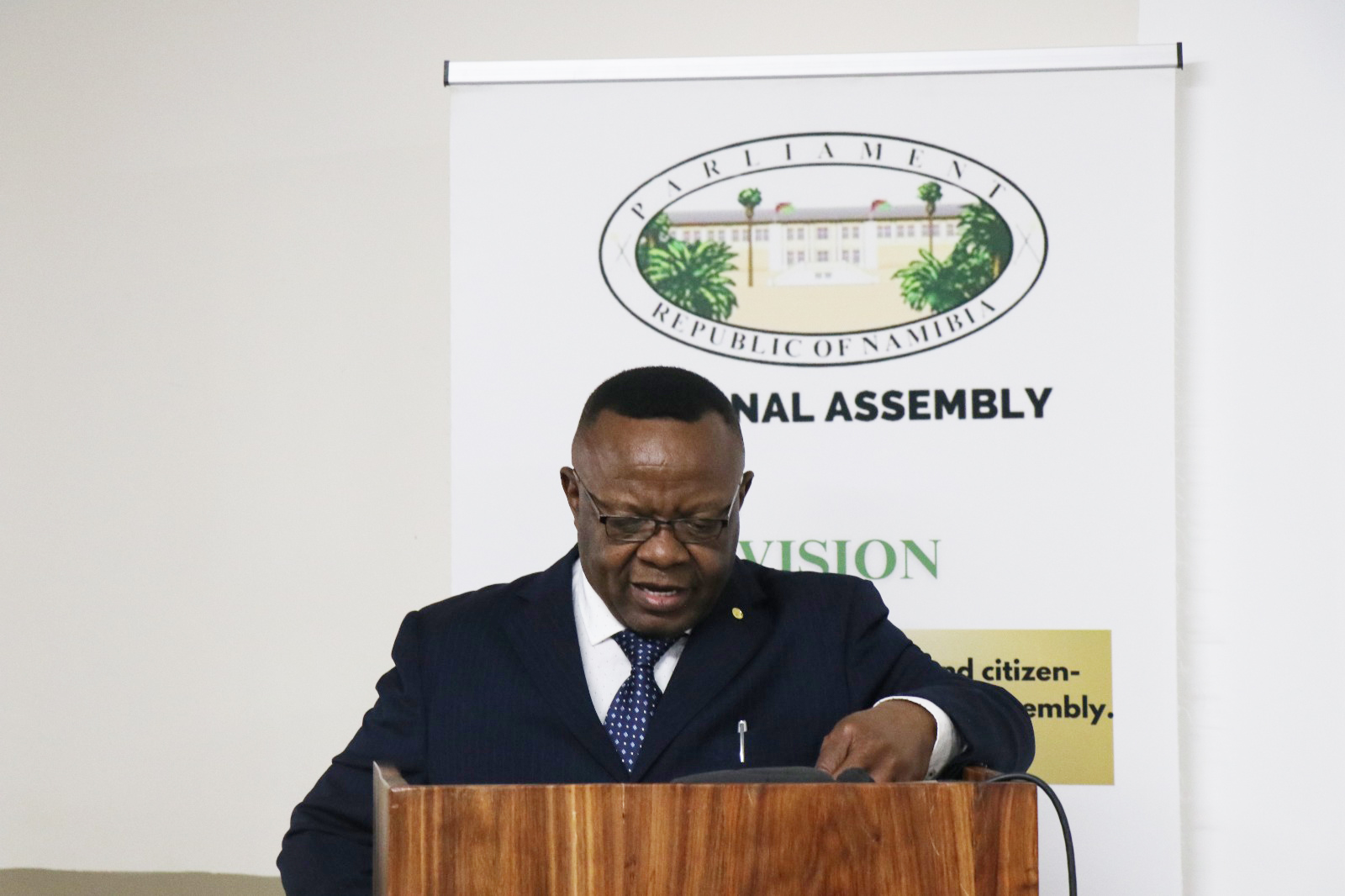
Otjozondjupa Governor John Julius !Kamuseb criticised Namibia’s silence on gender-based violence (GBV) against men, stating the country is not doing enough to address the issue comprehensively.
He said that, although women and children are the most affected, male victims’ suffering is often overlooked, underreported, and ignored in national discussions and policies.
“Gender-based violence is an ongoing problem in our country, and our efforts to combat it are not loud enough. It continues to impact many lives—especially women and children—but men are victims too,” !Kamuseb said.
He made these remarks during a session with the Parliamentary Standing Committee on Gender Equality, Health and Social Welfare in Otjiwarongo recently.
!Kamuseb argued that an increasing number of men face both physical and emotional abuse, often from intimate partners, but societal stigma prevents them from speaking out.
“Men hesitate to report these incidents due to shame and deeply ingrained expectations that discourage viewing men as victims,” he noted.
The governor warned that these hidden cases often cause severe emotional distress and, in extreme cases, lead to suicide. He described GBV in Namibia as a complex issue rooted in harmful gender norms, poverty, and unequal access to resources and support services.
“Women often stay in abusive relationships because they are financially dependent and have limited access to help. But we must also recognise that men face different but equally harmful barriers,” he stated.
He criticised rigid societal norms that define masculinity harmfully, promoting risky behaviours such as having multiple sexual partners and avoiding emotional vulnerability.
“This not only endangers men’s health but also fuels interpersonal violence, spreads sexually transmitted infections, and results in unintended pregnancies,” !Kamuseb added.
!Kamuseb also highlighted the unequal distribution of domestic responsibilities, noting that women carry most of the unpaid caregiving tasks due to a lack of male involvement in family life. He called for a change in attitudes and more inclusive strategies to address all forms of GBV.
He urged policymakers to adopt a multi-sectoral approach that includes public education campaigns, mental health support, and better healthcare access.
“We need to challenge stigma and encourage both men and women to report abuse. Mental health support should be integrated into our education and community systems,” he said.
He also stressed strengthening the healthcare system by improving infrastructure, resources, and equitable service distribution.
“There is an urgent need to expand and enhance mental health facilities. Emotional wellbeing is vital in addressing GBV and suicide,” he stated.
!Kamuseb commended the standing committee’s workshop as a step toward sustainable solutions.
“This platform demonstrates our commitment to the wellbeing of all Namibians. Let’s use it to develop practical strategies that ensure our services are responsive and inclusive.”