

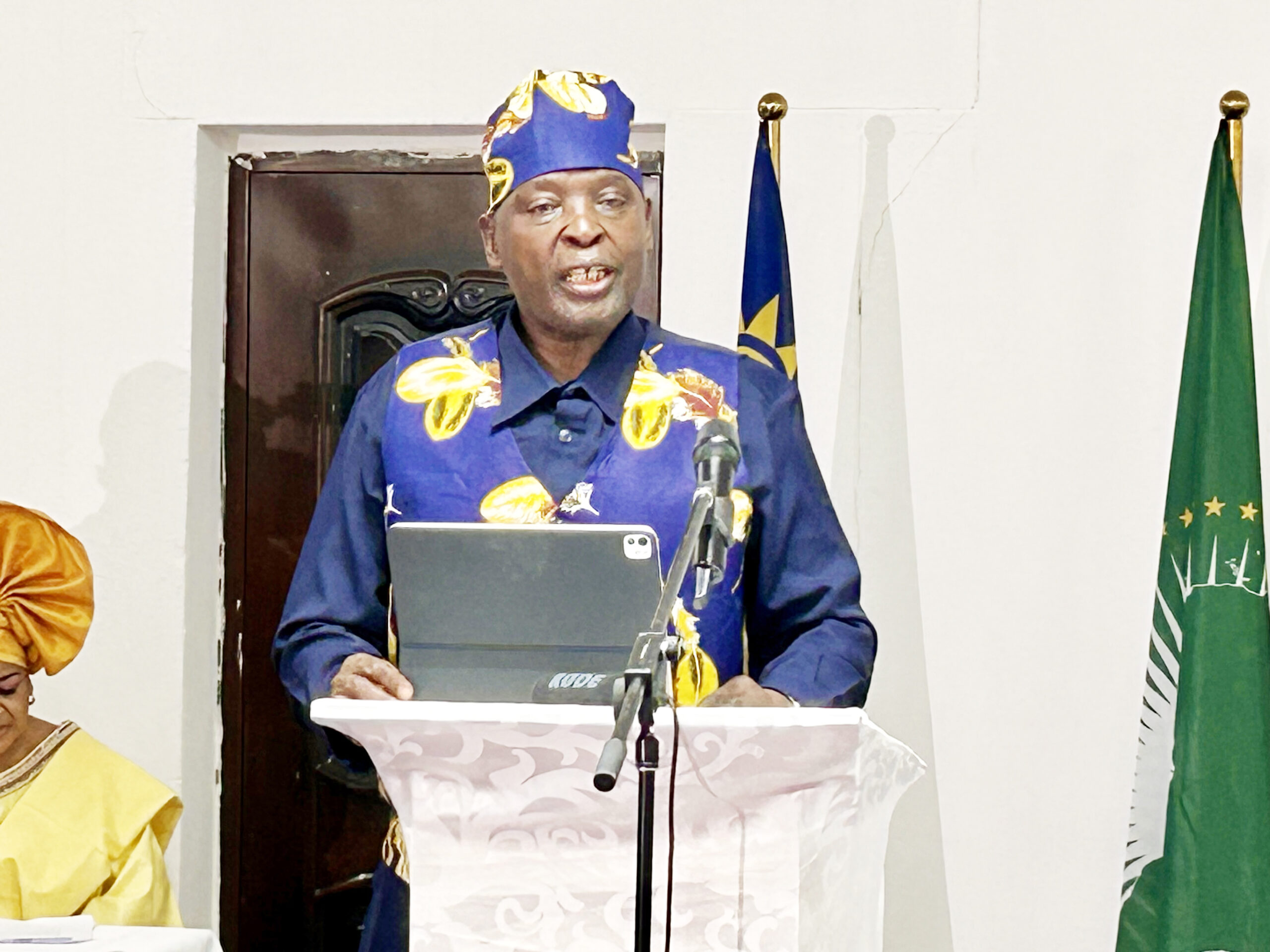

ONDANGWA – The Minister of Urban and Rural Development James Sankwasa has expressed concern over the uncontrolled sale of communal land by some traditional leaders, warning the practice undermines unity and the integrity of traditional governance systems.
Speaking at the official opening of the annual Council of Traditional Leaders meeting in Ondangwa on Monday, Sankwasa said in certain rural areas “land is being sold like a piece of cake”.
He urged traditional leaders to safeguard the land as custodians rather than turning it into a commodity for personal enrichment.
The minister further warned against the mushrooming of chieftainship succession disputes and repeated applications for recognition of new traditional authorities.
“For the past few months I have served as minister, I have observed that some traditional authorities have been embroiled in succession disputes for far too long,” he said.
He added that there are cases where sitting chiefs nominate successors, but once they die, other individuals who were never nominated demand recognition from the government.
Sankwasa questioned the motives of individuals who apply for recognition despite living in a jurisdiction that already has a recognised traditional authority, sharing the same language, culture, and traditions.
“What are you trying to achieve?” he asked. “You live in the same area, you speak the same language, you share the same culture and traditions, yet you want to break away. This cannot continue, because Namibia needs unity,” he said.
He also warned that the proliferation of new chieftainships could erode cultural values and place an unsustainable financial burden on the government.
Sankwasa also asked why people continue violating traditions and eroding culture?
“Do we want to turn our democracy into a monarchy? Can government sustain all these small allowances? No,” he said.
Meanwhile, the chairperson of the Council of Traditional Leaders, Immanuel /Gaseb, said many of the court cases involving traditional authorities are driven by individuals with good academic credentials, who use their knowledge to divide communities rather than strengthen governance.
“You are not going to school to divide traditional leadership,” /Gaseb stressed, urging educated Namibians to use their skills to enhance customary governance.
He also encouraged traditional leaders to promote participation in the upcoming regional and local authority elections, set for 27 November.
“Let us ensure campaigns are conducted peacefully, without intimidation or violence, and that our people exercise their right to vote in the spirit of unity,” /Gaseb said.
President Netumbo Nandi-Ndaitwah, who attended the meeting, is also concerned over the never-ending infighting and succession disputes plaguing traditional authorities across the country.
She said these disputes not only undermine community unity and erode cultural values, but also drain state resources that could otherwise be used to fight poverty and disease.
“Such disputes consume resources and erode moral and cultural values, which can ultimately lead to a loss of cultural identity,” she said.
The president added that government continues to receive new applications for recognition of traditional authorities, warning the trend, if left unchecked, could fragment the country further.
“Although as a traditionalist I respect traditional authorities, we cannot have a country fragmented into pockets of tribal settlements. This situation, if not stopped, may not only become financially unsustainable but may also fuel deeper tribal divisions within the Namibian house,” she warned.