

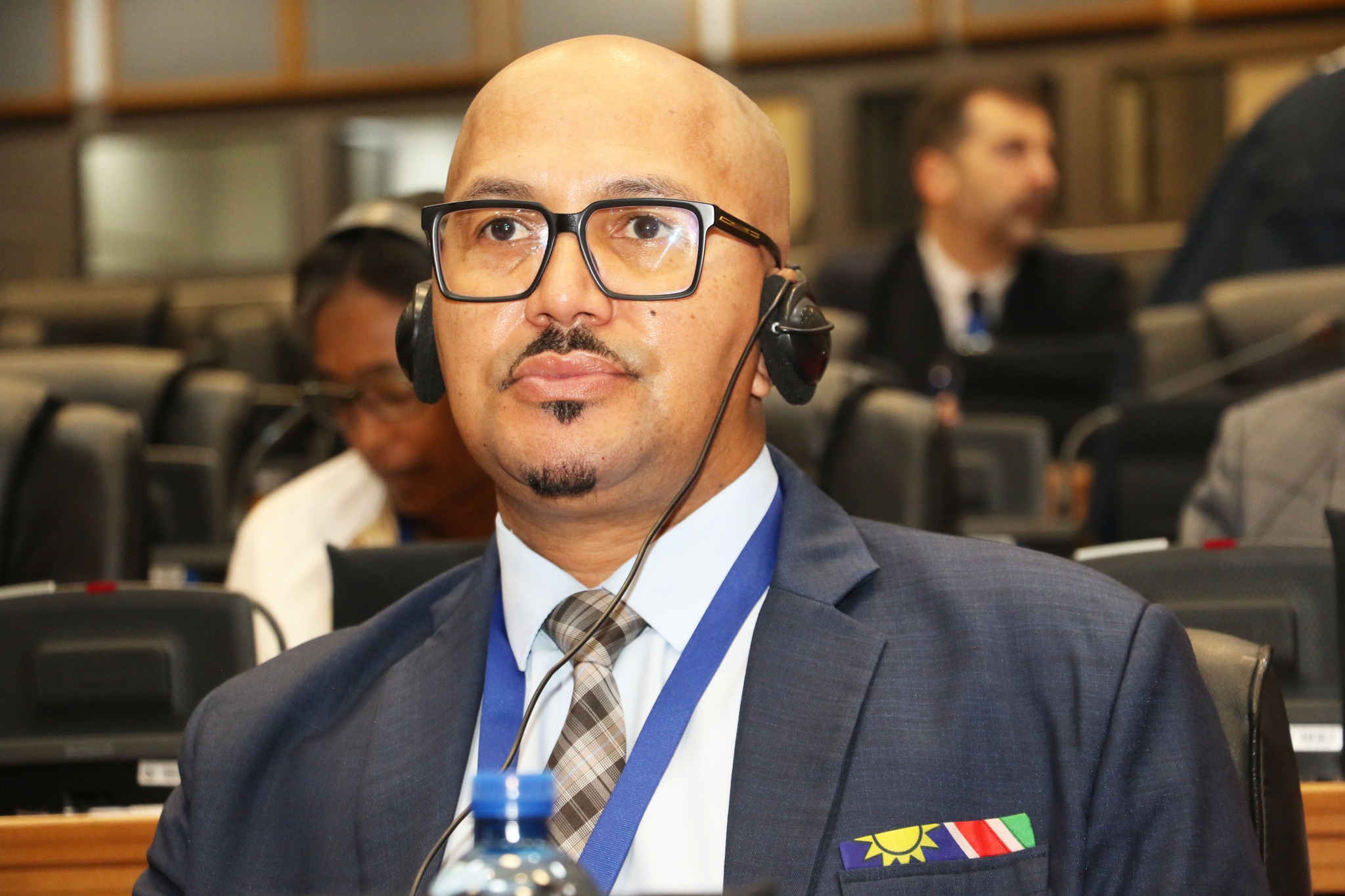

Independent Patriots for Change (IPC) parliamentarian Rodney Cloete (RC) expressed his view that Namibia is at a crossroads: either continue as a raw commodity exporter or become a processing and manufacturing hub.
In a recent engagement with New Era journalist Rudolf Gaiseb (RG), the lawmakers shared that Namibia has a solid foundation, good infrastructure, and a strategic location. However, implementing planned strategies and objectives, and having the courage to demand fair partnerships instead of accepting whatever is offered, remain essential.
RG: How would you assess the quality of Namibia’s trade?
RC: High volume – low value. We are in business, but not in control. Namibia’s trade quality is frankly substandard. We are stuck in a colonial export model, shipping raw diamonds, uranium and salt while importing finished goods. Our billion-dollar trade deficit tells the story: we are selling cheaply and buying at a high cost. We cannot industrialise by exporting our future in raw form.
RG: What loopholes have you identified in Namibia’s trading strategy, and how can the country better position itself?
RC: The biggest loophole is our disconnect between policy rhetoric and practice. We preach ‘Growth at Home’, but our first African Continental Free Trade Area (AfCFTA) export was unprocessed salt – hardly the value-added manufacturing we claim to champion. We underutilise trade agreements like the African Growth and Opportunity Act (AGOA), with beef, for example, where we barely scratched the surface. The solution? Accelerate beneficiation, fully utilise existing agreements and develop targeted export strategies for each market.
RG: Is Namibia benefitting sufficiently from its trade activities?
RC: Absolutely not – our persistent trade deficits show we are not capturing enough value. We are funding other countries’ industrialisation while staying commodity exporters. The benefits are limited to a few sectors, and a broader economic transformation remains out of reach. We need structural change, not just increasing volume.
RG: You have been advocating for the Southern Africa Development Community (SADC) to renegotiate trade agreements with countries like the United States. What is SADC’s stance on this suggestion, and how might it improve SADC’s trade?
RC: SADC, I believe, is receptive to collective bargaining. The United States tariff threats in 2025 were a wake-up call. We cannot negotiate from positions of weakness as individual countries. SADC’s collective voice, standing for 300 million people, carries more weight than fragmented bilateral deals. We need partnership-based agreements, not one-sided arrangements that can be withdrawn at will.
RG: Would these changes affect SADC’s trade relations with other nations?
RC: Not negatively. Success in one negotiation strengthens our hand elsewhere. If we secure better terms with the US, the EU and China might follow suit to remain competitive. The key is to ensure compatibility with existing agreements and support our diversified approach to trade partnerships.
RG: Do you believe Namibia is prepared to engage more effectively in the emerging oil and gas industry, both legislatively and operationally?
RC: We are not preparing rapidly enough. Moving petroleum oversight to the Presidency does show political commitment, but the Swapo party’s record of accomplishment is lacklustre; the proof will be in the pudding. The local content policy is a good start, but we need to translate rhetoric and legislation into operational ability. We have until 2029 to build institutions, skills and infrastructure. Time is short, and we will put oversight pressure to ensure this God-given resource is optimised favourably for all Namibians. We have the oil, but not yet the governance muscles to carry the weight.
RG: How can Namibia better leverage the African Continental Free Trade Agreement?
RC: AfCFTA is our ticket to a 1.3-billion-person market, but we started late. We need to move beyond that symbolic salt shipment to export significant value-added manufactured goods. Support our small and medium enterprises, build regional value chains, and use Walvis Bay as a continental trade hub. The framework exists – we need to execute it.
RG: In your opinion, what is the quality of Namibia’s ambassadors and trade negotiators?
RC: Mixed. We have dedicated diplomats but need a sharper economic focus. As President Geingob rightly urged, our ambassadors must “sell Namibia to investors” – not just engage in political diplomacy. We need measurable outcomes: increased exports, secured investments and beneficial treaties. Results matter more than protocol. The international arena is like a marketplace. Our diplomats are essentially the salespeople and advocates for Brand Namibia.
-rrgaiseb@nepc.com.na