

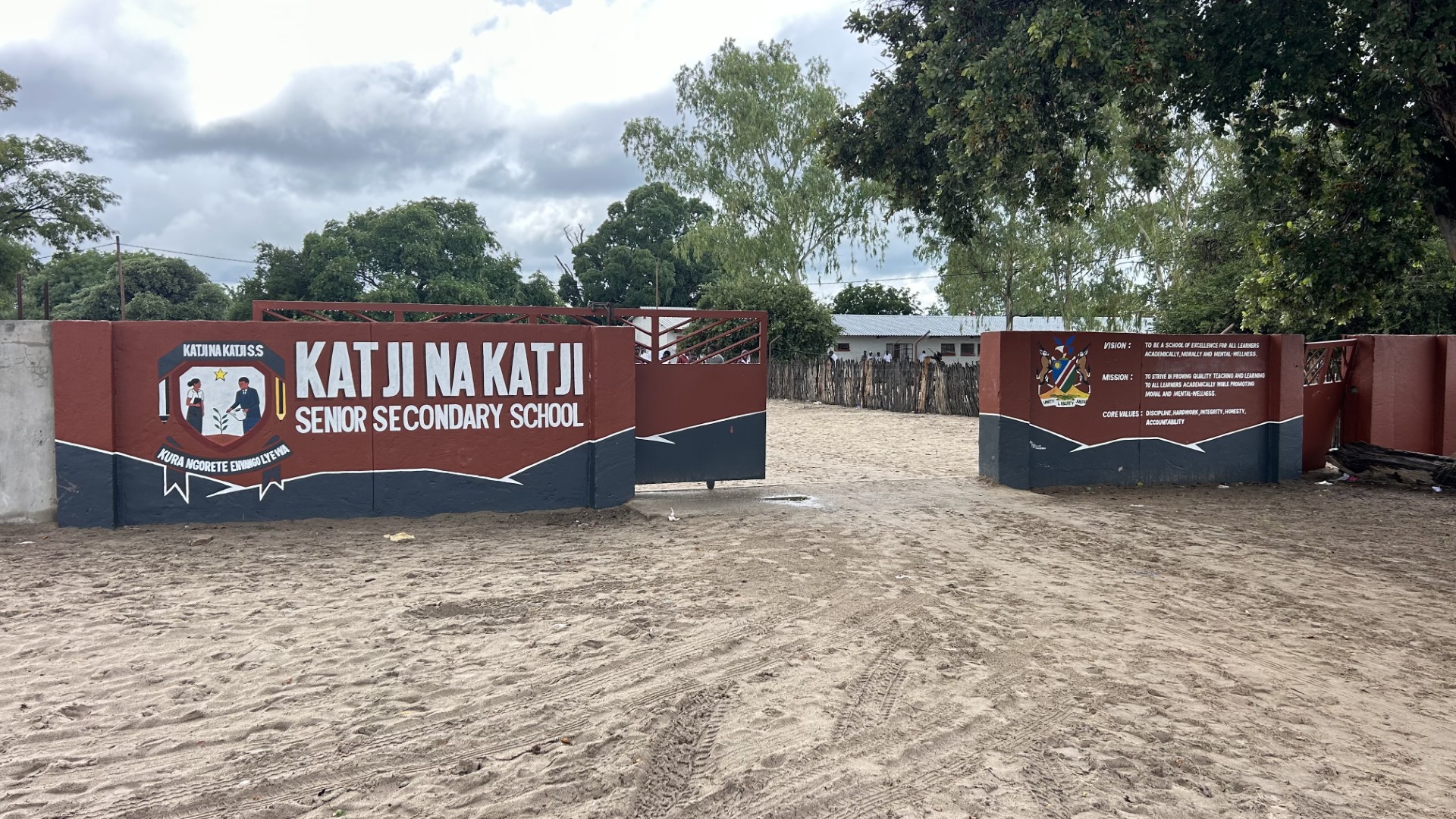

RUNDU – Katjinakatji Senior Secondary School hostel learners who flocked to their village clinic for medical attention on Monday after consuming a meal at the hostel are now stable.
Those who were hospitalised have been discharged.
The Kavango West Regional Council spokesperson, Mathews Hamutenya, on Tuesday released a statement regarding the suspected food poisoning incident.
“The hostel learners consumed bread, polony and Oros on Sunday evening, and during the Sunday evening meal, two learners noticed mould on their slices of bread and immediately reported this to hostel staff.
However, by the time the issue was reported, most learners had already eaten their portions and indicated that they had not observed any visible signs of spoilage on their bread,” Hamutenya said.
According to Hamutenya, the bread was delivered to the school on Friday, and the loaves were within their indicated expiry dates, which were marked as 26 and 28 January 2026.
“On Monday morning, learners began reporting to the school office as early as 06h40, requesting permission to visit the nearest clinic due to discomfort. In total, 430 learners had consumed the bread over the weekend.
Out of this number, 113 learners sought medical attention at the clinic after experiencing symptoms such as stomach cramps, with some also reporting diarrhoea,’’ he said.
Hamutenya noted that of the 113 learners who visited the clinic, 28 were transferred to Rundu State Hospital for further medical observation.
At the hospital, these learners were placed on intravenous drips as a precautionary measure. The majority of the hospitalised learners, 25 out of the 28, were discharged later the same afternoon after their conditions stabilised. The remaining three learners continued to be monitored and were subsequently discharged on Tuesday.
“Medical assessments conducted by doctors revealed that no poison or toxic
substances were detected in the systems of any of the affected learners. Health professionals concluded that the symptoms experienced were consistent with a
general stomach upset rather than poisoning,’’ he said.
He added, “Consistent power outages in the region are life-threatening to the inhabitants, and this is just one of the indications of what people of the Kavango West region are exposed to.
The Council would also like to categorically dismiss any speculative reports that went around claiming that the school’s water source was responsible for the incident. These reports are unfounded and devoid of any truth.”
-jmuyamba@nepc.com.na