


Rudolf Gaiseb
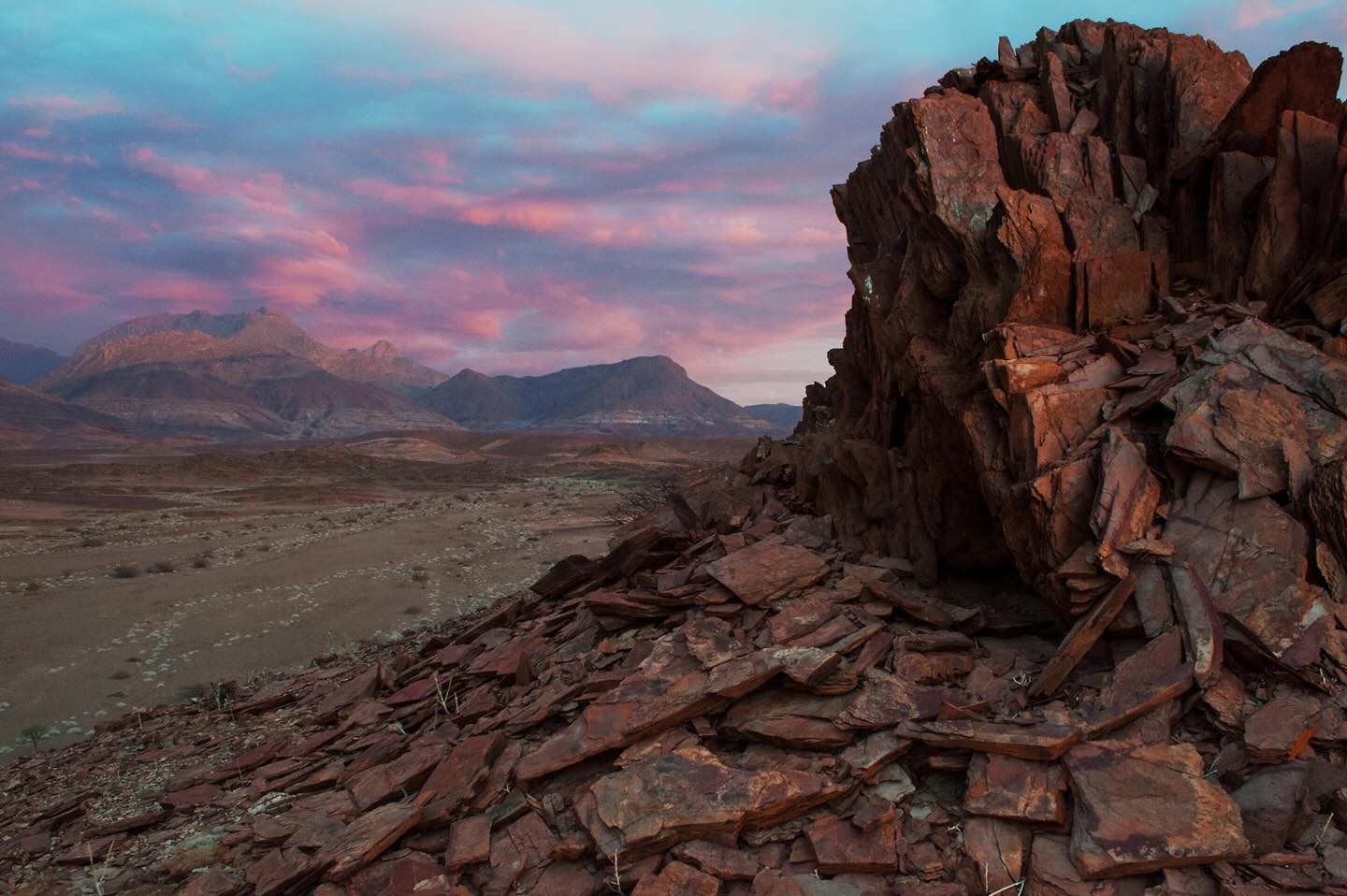
Education minister Sanet Steenkamp this week announced the submission of a nomination dossier to the United Nations Educational, Scientific and Cultural Organisation (Unesco) for the Dâures/Brandberg national monument to become recognised as a world heritage site.
The decision of the Unesco World Heritage Committee is expected by July 2027.
Namibia’s nomination follows the formal approval of the Cabinet on 23 September 2025.
“By pursuing World Heritage status for the Brandberg, we are not only expanding Namibia’s portfolio of globally recognised heritage sites but also reaffirming our status as a committed State Party to the 1972 Unesco World Heritage Convention, which we ratified in April 2000,” Steenkamp said. The Dâures/Brandberg national monument area is located approximately 30 kilometres northwest of Uis in the Erongo region.
Steenkamp said the area is not merely a natural landmark but also a cultural anchor, symbolising Namibia’s history, identity and pride.
“Namibia remains steadfast in its commitment to its protection and sustainable management for the benefit of current and future generations and for the enrichment of the global community,” she said. The nomination was made through a strategic partnership with the African World Heritage Fund (AWHF), which provided both financial and technical support of about US$60 000 [N$956 311]. Usually, when a country signs the World Heritage Convention and has sites inscribed on the World Heritage List, the resulting prestige helps raise awareness among citizens and governments for heritage preservation.
Unesco Namibia’s national programming officer, Helvi Moshel, indicated that a country will also receive financial assistance and expert advice from the World Heritage Committee to support activities for the preservation of its sites.
Namibia is already home to two Unesco World Heritage Sites, namely Twyfelfontein and the Namib Sand Sea.
“It falls under criterion number three, which looks at a unique or at least an exceptional testimony to the cultural tradition or to the civilisation which is living or which has disappeared. It should also show the traditional human settlement, land use or sea use, which is representative of the culture or human interaction with the environment, especially when it has become vulnerable under the impact of irreversible changes,” she said.
The site must also be an outstanding example representing major stages of Earth history, including the record of life, significant ongoing geological processes and the development of landforms, or significant geomorphic or physiographic features.
Once approved, the site will boost tourism, create jobs and increase lodges, and foster geological research around the area, she noted.
This site, one of the oldest geological formations, about 135 million years old, is known to contain rare archaeological traces, including pottery, beads and sheep dung, marking the transition from hunter-gatherer to hunter-herder societies.
Geologically, the Brandberg is a massive granitic inselberg formed during the Early Cretaceous period. At the time of the breakup of Gondwana, it was a unique ecological “sky island”, hosting a range of endemic species found nowhere else on Earth.
Moreover, the two types of rock art (engravings and paintings) are found in close association in the Brandberg, and Unesco has documented that more than 120 archaeological sites have been recorded.
The Brandberg is home to the famous ‘White Lady’.
It is also a place known for spiritual traditions, beliefs, and the enduring connection of ancestors to the land.