

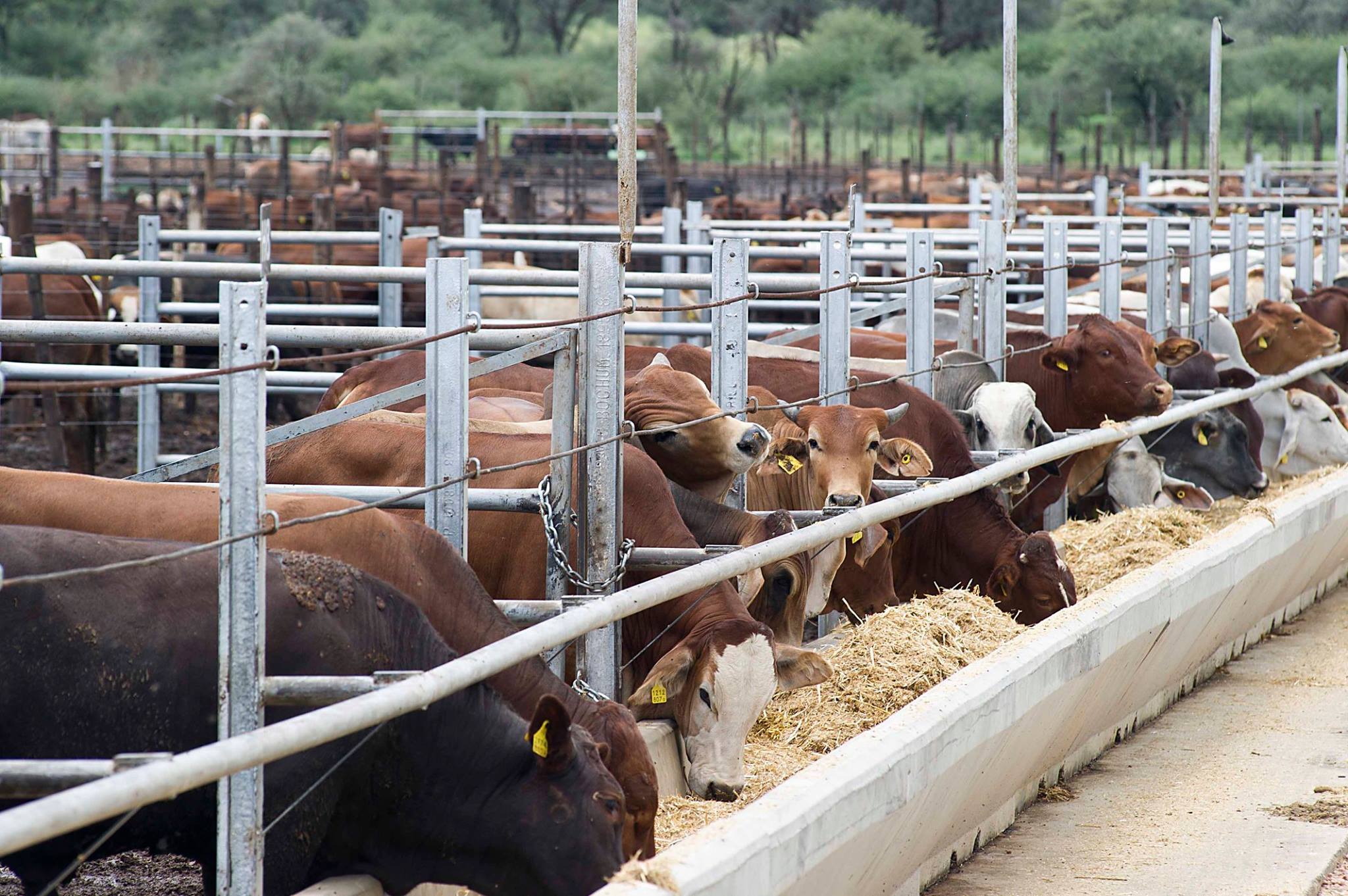

The government, through joint efforts with the country’s four farmers’ unions, the Directorate of Veterinary Services (DVS), the Livestock and Livestock Products Board of Namibia (LLPBN), and private-sector partners, has ramped up efforts to avert a potential Foot-and-Mouth Disease (FMD) outbreak.
Last week, the government and key industry partners launched the FMD Support Fund and an FMD Task Force, which will serve as two coordinated national mechanisms to protect Namibia’s livestock sector, rural livelihoods, and economic stability.
Following the launch of the FMD Support Fund, a total of 11 partners have to date pledged close to N$13 million, which will go towards strengthening the country’s readiness and capacity to prevent, detect, and contain threats swiftly and effectively.
Among the donors were AgriMark, which pledged over N$200 000 to support nationwide awareness campaigns, educational outreach, and logistical support, including transport and the safe storage of vaccines in the event of an outbreak.
Namib Mills committed N$1.5 million, and DAS Group of Companies pledged N$1 million, with N$500 000 earmarked for internal operations and N$500 000 allocated directly to the FMD Support Fund.
FNB Namibia pledged N$2 million, alongside technical support and marketing assistance where needed. Bank Windhoek contributed N$2 million, Feedmaster added N$1.5 million, and the Namibia Agricultural Union (NAU) pledged approximately N$3 million, further reinforcing the sector’s commitment.
Highlighting the importance of the Fund, Agriculture Minister Inge Zaamwani said: “Namibia’s livestock industry, valued at N$15 billion, is a cornerstone of our national economy and supports the livelihoods of 70% of the population. The significance of the livestock sector extends beyond commerce and trade; it is a foundation of food security, rural development, and social well-being. The threat of FMD has escalated, primarily due to outbreaks in most of our neighbouring countries, driven by illegal animal movements and cross-border transmission.”
Further stating, “These risks and potential exposure require enhanced surveillance, rapid response, and coordinated prevention. These needs have never been greater. Our first line of defence is surveillance and early detection. Our Veterinary teams must therefore conduct intensified patrols and farm inspections, focusing especially on high-risk areas along our southern and eastern borders…”
“All these efforts are not possible without funding. The establishment of the FMD Support Fund is therefore a testament to the powerful partnership between government and the private sector,” said the minister.
External risk
With FMD activity in neighbouring countries, Namibia must maintain robust, coordinated systems to reduce the risk of incursion and to act decisively if an outbreak occurs. The Fund helps keep preparedness front footed and nationally aligned.
Recurring FMD outbreaks in South Africa and Botswana have heightened the risk of disease incursion, and protecting Namibia’s FMD free zone without vaccination is essential for farmers’ livelihoods and access to high value export markets.
Namibia’s FMD free status underpins international competitiveness for livestock and meat exports. Preserving this status protects jobs, income, and investment across the value chain – from primary producers to processors and traders.
Through the Fund, the country will mobilise resources to implement priority interventions, including targeted vaccination campaigns, emergency response capacity, infrastructure reinforcement, enhanced border biosecurity, and comprehensive farmer awareness programmes.
-ohembapu@nepc.com.na