


Lissony Njembo
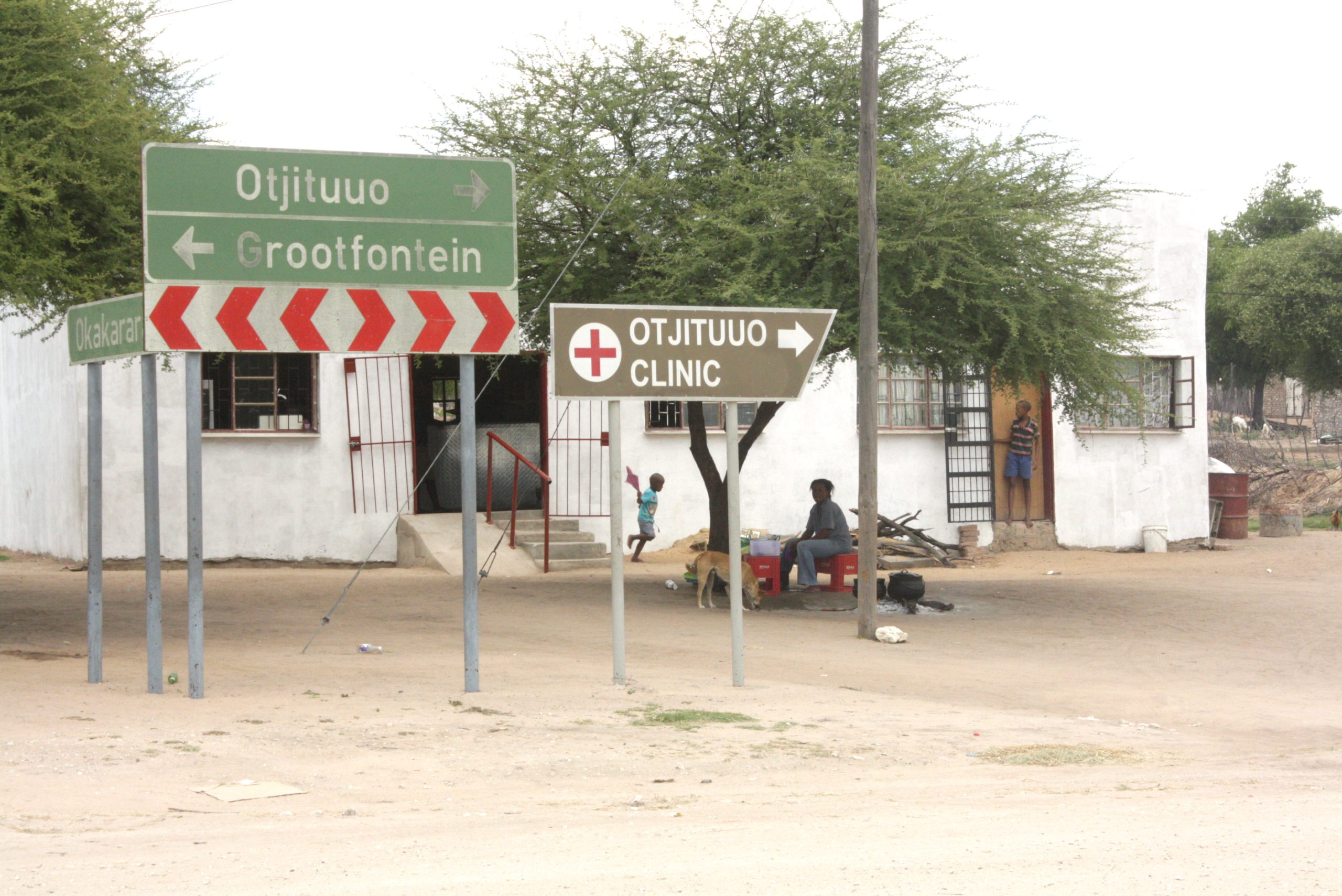
Water-related challenges continue with a firm grip on Okatjoruu, a village in Otjozondjupa.
Although water supply was recently restored, most residents are struggling with high water debts, water hardness (limescale) deposits, faulty water meters and readings that are not satisfactory.
Additionally, the Otjozondjupa Regional Council owes NamWater N$34 million, and Okatjoruu particularly owes NamWater N$10 million.
Okakarara constituency councillor Uzeraije Tjazerua confirmed the debt. He said the council is in consultation with NamWater to find an amicable solution and urged residents to settle their accounts.
During Covid-19, the government gave a directive that residents must be supplied with water so that they can adhere to all the measures to curb the spread of the virus. This, residents say, contributed to the high water bill they currently owe. However, the government agreed to pay half of the N$10 million debt under the agreement made during Covid-19, it is further claimed.
Now, residents are expected to pay the outstanding N$5 million, added Tjazerua.
One o the affected residents is Ripuree Verimuje, a senior traditional councillor within the Ovaharero Traditional Authority, raised a concern that he has a NamWater bill of N$10 000 only for household consumption at a place where he does not usually stay. This, he said, does not add up.
According to him, he lives at Farming Outemba (plot) and only comes to Okatjoruu on occasions.
He also claimed that last week the water was cut only a week after it had been restored.
Verimuje questioned how pensioners are expected to pay such large debts. He also added that residents pay for refuse collection, yet some households do not have dustbins, and in some cases, it is hardly collected.
On his part, Tjaverua said the regional office will hold discussions to address the challenges the residents are facing. Responding to the issues, NamWater spokesperson Lot Ndamanomhata acknowledged their water contains limescale. However, he explained that the calcium carbonate precipitation potential (CCP), which measures the likelihood of scale formation, is within acceptable levels for groundwater and, as such, fit for human consumption.
It does not pose any health risk, he continued.
He further added that NamWater has short-term measures to clean and flush the pipelines and remove the limescale build-up from the supply system.
For the long-term solution, NamWater is exploring the installation of water-softening technologies.
When asked about pensioners’ bills, Ndamanomhata said NamWater’s tariffs are regulated and reflect the actual cost of giving the service. Therefore, the cooperation operates on a cost-recovery basis and does not generate profit. He further made it clear that Okatjoruu falls under the account of the Otjozondjupa Regional Council, and NamWater deals directly with the regional council and not with individual households.
Residents with concerns about water meter readings should contact the regional council, since it is responsible for taking meter readings.
Ndamanomhata encouraged residents to use water sparingly and to ensure that taps and pipes are not leaking.