

The Erongo region is regarded as the heartbeat of the country; it is home to Namibia’s most crucial economic activities.
Since independence, the town has played a major role not only in the local economy but also in contributing significantly to the national coffers through mining, tourism, fishing, and emerging sectors such as oil and gas.
Mining remains the backbone of Erongo’s economy, with the region’s major deposits of uranium, gold, lithium, tin, marble, granite and salt.
According to the Chamber of Mines and Namibia, over the years, the country saw the rise of mining giants Rössing Uranium, Husab, Langer Heinrich and Navachab Gold, among others.
“In 2024, mining contributed N$51.3 billion to the economy, 13.3% of Namibia’s GDP, and paid over N$5.6 billion in taxes, royalties and levies. More than 20 800 people are employed directly, with billions spent on local goods and services,” the organisation stated.
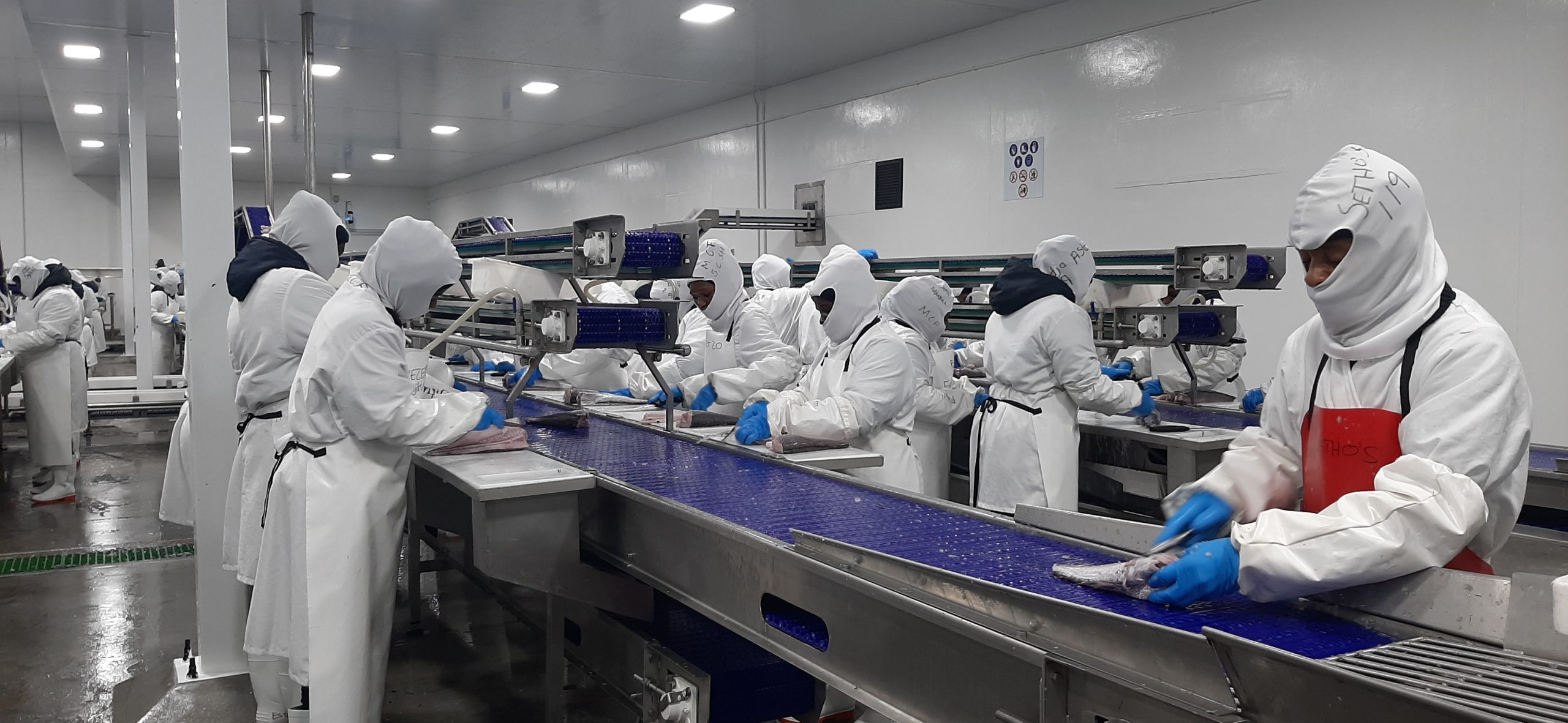
Fishing is another vital economic backbone, especially in Walvis Bay and Lüderitz. It has also put Namibia at the forefront of responsible management of natural resources and safeguarding them for the next generation.
According to the Ministry of Agriculture, Water, and Fisheries, the industry generates N$15 billion a year and is the third-largest contributor to GDP after mining and tourism.
Exports of hake and horse mackerel generate about N$14 billion, with major markets,
including Spain, Japan, China, and the Democratic Republic of Congo.
“The industry itself employs more than 18 000 people. The sector faces challenges, including reduced quotas, illegal fishing, rising fuel costs, and limited local processing capacity. The government is focusing on vessel monitoring, stock rebuilding, and expanding processing capacity,” according to the ministry.
Emerging sectors
Renewable energy projects, including solar and wind farms, are creating jobs and supporting Namibia’s clean energy goals. While tourism continues to expand, with Swakopmund and the Skeleton Coast attracting more visitors.
The Walvis Bay Port is also growing as a regional trade hub by not only extending trade routes but also facilitating regional trade, enabling landlocked countries to access the world.
The port played a significant role when Namibia made history last year, June, when the country shipped its first consignment of goods, 45 000 tonnes of salt destined for Nigeria. under the African Continental Free Trade Area (AfCFTA) agreement.
Namibia Ports Authority (Namport) CEO Andrew Kanime, during last year’s shipping process, described AfCFTA as a bold initiative driven by African unity.
According to him, the African Union’s conception of the African Continental Free Trade Area Agreement was a bold initiative to drive intra-African trade. He said it exemplifies the continent’s collective will to deepen integration, foster economic prosperity, and assert Africa’s rightful place on the global stage.
Challenging times
Despite economic growth, social challenges remain a hurdle for the region
According to the Namibian Statistics Agency, unemployment is about 32%, with youth and women most affected.
This is attributed to the rapid urbanisation, which has led to housing shortages, with many residents living in informal settlements, mainly in Walvis Bay.
Many residents still struggle to access potable water and sanitation.
Since taking office as Erongo governor, Natalia Goagoses has emphasised that Erongo’s wealth must benefit not only the country but also all residents of the region.
“Erongo is too rich for anyone to be poor,” she believes.
-edeklerk@nepc.com.na