


Beata Mudjanima
It is almost ploughing season.
Some areas have received great showers, and others have received moderate rain.
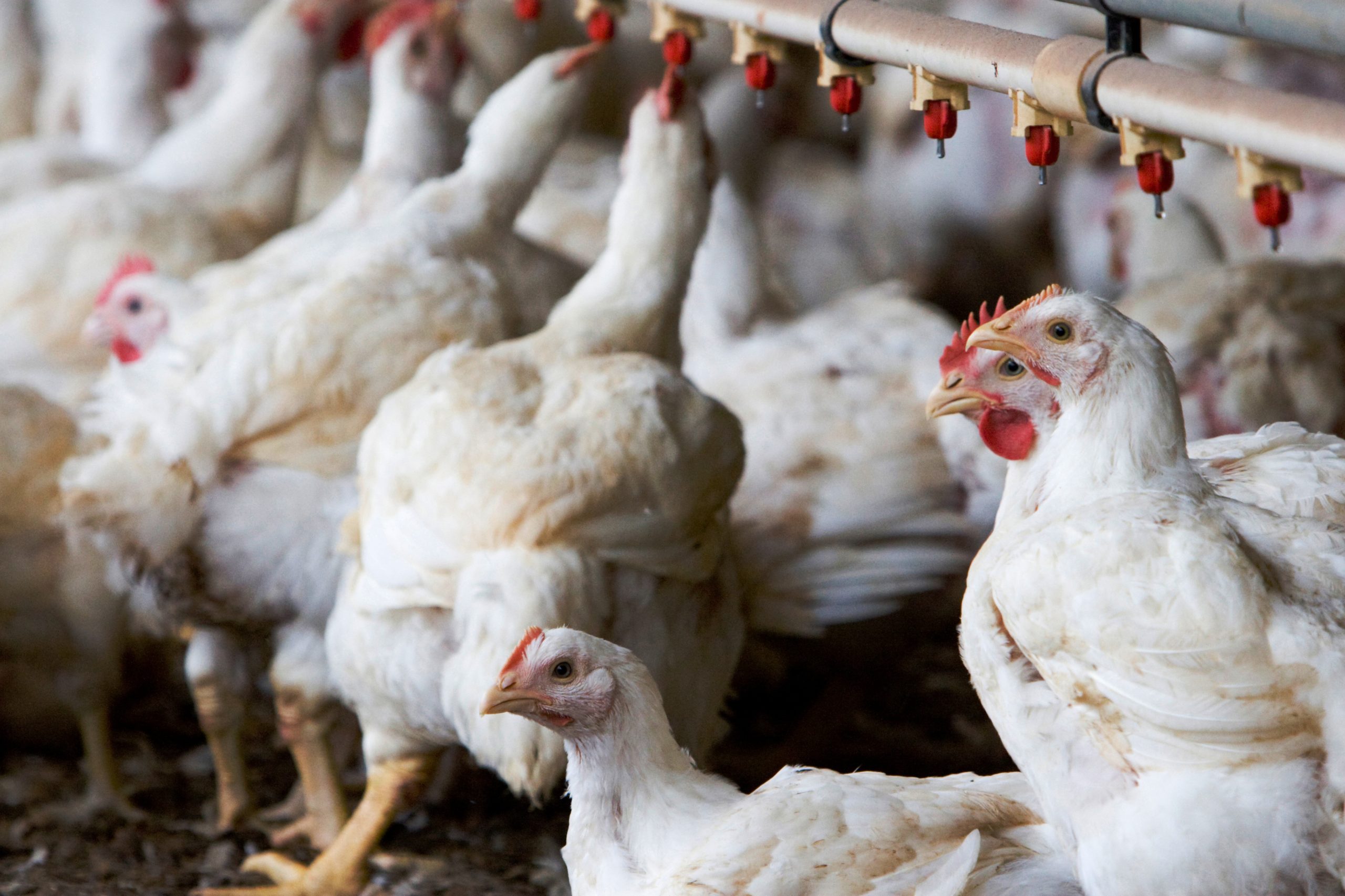
During this time, most poultry farmers move their free-range chickens into coops so that they do not destroy their fields.
However, within a week or two, they might notice their chickens fighting, hens no longer producing, production decreasing and the flock showing signs of sickness.
Flock productivity is negatively affected. How can this then be avoided? Moving your flock from a free-range setup to a coop can cause extra stress.
Too often, the coops are small, and the flock tends to stress due to limited space.
This stress leads to fights and injuries within the flock.
When setting up the coop, it is essential to ensure that each adult chicken has a minimum of 10 centimetre of feeding space and one nest for four hens to avoid fighting and ensure sufficient feed intake.
Place enough drinkers and offer fresh, cool water daily.
Another factor to consider is the rooster-to-hen ratio, which should be 1:10-12, respectively.
The danger of having many roosters for a few hens is that the hens can be roughed up, leading to low productivity.
Check the flock daily for injured hens serviced too often by multiple roosters.
Injuries and blood attract chickens, and problems like cannibalism can occur in stressful atmospheres.
Farmers should avoid constructing their coops from wood, such as wooden poles, because external parasites tend to harbour in them.
It is advisable to use metal or plastic, as they are easier to clean.
Most farmers place their multi-age flock in the same coops.
After a few days, pullets can show signs of discomfort and illness. Remember that the immune system of pullets is not as developed as that of adult chickens.
Should there be a disease in the flock, the pullets will be the ones affected first.
The affected birds should be diagnosed by a veterinarian to ensure they receive the correct treatment.
Wrong usage of medication can lead to resistance or worsen the problem.
Producers should move injured birds away from the rest of the flock, but if birds show signs of disease, the whole flock must be treated.
Producers tend not to properly vaccinate their flock, which is an essential practice in poultry farming to have a bulletproof pullet.
*Beata Mudjanima is Feedmaster’s technical advisor in the communal northern regions of Namibia.