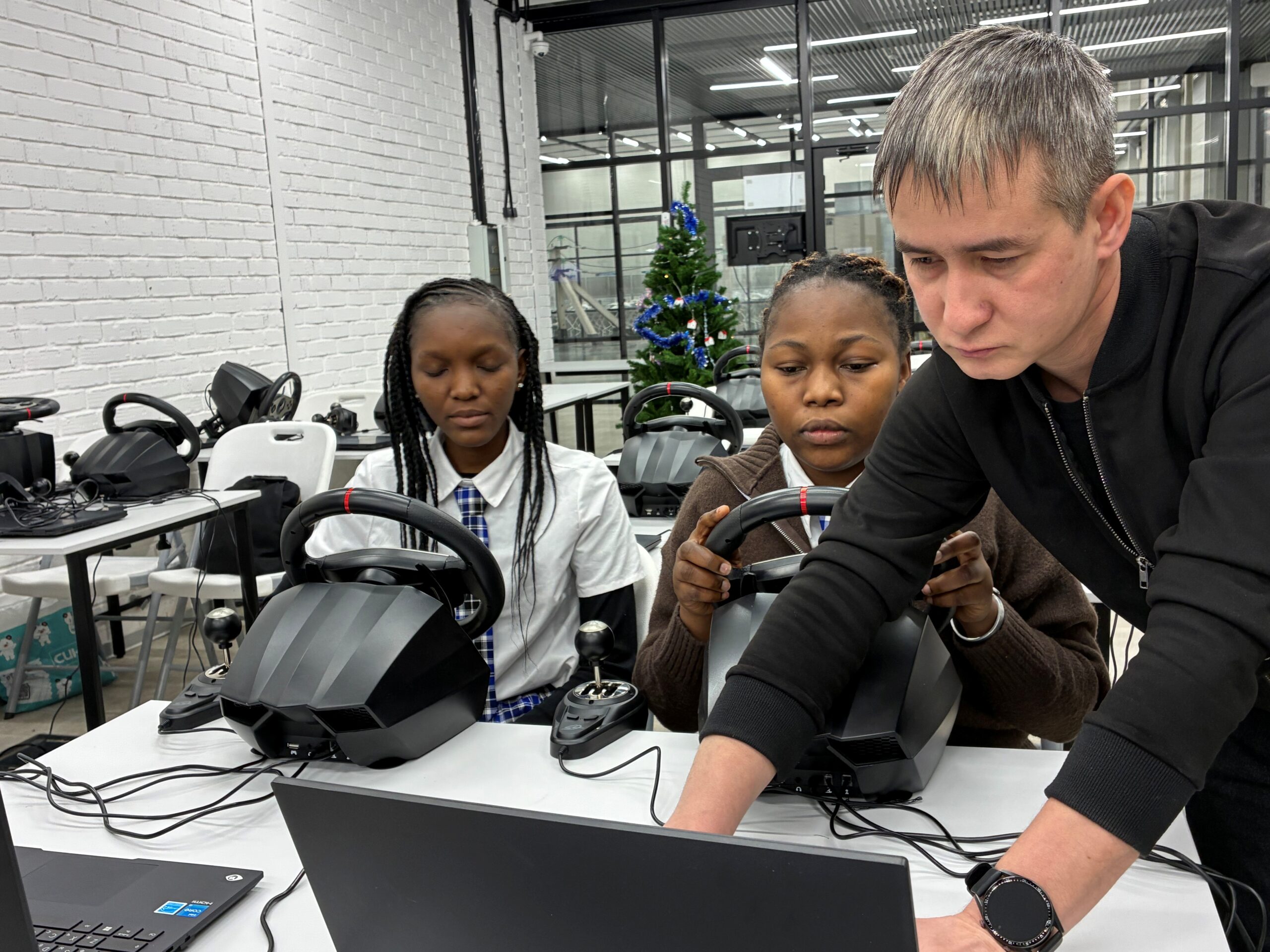

TATARSTAN – The Alabuga Start Programme, an international employment initiative based in the Republic of Tatarstan, Russia, is increasingly drawing young women from Africa, Latin America, and Asia.
However, participation from Southern African countries remains low, according to programme officials.
The programme is officially offered as an international work and study programme in Russia’s Special Economic Zone (SEZ), providing a free flight to Russia, corporate housing at a reduced rate, and employment opportunities in various fields.
Free education and professional training in several career tracks include catering, service and hospitality, production operator, road transport (driver), installation and finishing works and Russian language lessons.
Speaking during a recent interview, Ekaterina Lommas, senior specialist at the Alabuga Start Programme Press Service, revealed that while several African countries are represented, access and engagement vary significantly by region.
“Right now, we have 10 girls from Zambia, four from Namibia, and fifteen from Zimbabwe,” Lommas said, adding that Zambia has proven easier to work with compared to other SADC states.
Namibia, she continued, remains one of the most challenging countries for recruitment.
“Namibia is completely closed off. We are knocking on doors, but nobody answers,” she said.
South Africa’s participation remains unclear, with Lommas noting that the programme is still seeking confirmation on current numbers.
Zimbabwe, despite being represented, has also posed difficulties.
Alabuga
The Alabuga Start Programme is a two-year employment programme for young women aged 18 to 22, offering official work visas, paid employment, accommodation, health insurance, and Russian language training. Participants work in fields such as catering, logistics, transport, and industrial services.
According to Lommas, the programme currently hosts participants from over 70 countries, though it initially began with just seven countries from the former Soviet Union.
“This is not a study programme. It’s a working programme. The girls come with official documentation and work permits issued by the Russian government,” she explained.
Experiences
For many African participants, the programme represents financial independence and skills development.
Stacy Chakute, a 20-year-old participant from Cameroon, said joining the programme transformed her life.
“It is helping me financially because now I’m financially independent. I speak a little bit of Russian, and I’m meeting new people,” she said.
Chakute added that the income allows her to support her family back home.
“I help my mom and my siblings in terms of school fees,” she said, noting that she hopes to gain more experience and continue her career development.
Another participant, Kepuchi Sawini from Uganda, joined the programme in 2023 and has since progressed within the catering department.
“For the first six months, I worked as a kitchen worker, then later I was promoted to a waitress. I even learnt the Russian language. The programme has been so good to me,” she said.
She encouraged other African girls to consider applying.
“If there’s anyone willing to join, you can join because the programme has been so good and everything is so good.”
Barriers
Despite these success stories, Lommas acknowledged that misinformation, geopolitical tensions, and limited local ambassadors continue to hinder recruitment, particularly in Southern Africa.
“There is a lot of fake news around the programme and around Russia in general,” she said. “
That makes it harder to attract participants.”As the programme seeks to recruit ambassadors in each country monthly, officials hope greater awareness will increase participation from Southern African nations, where opportunities for young women remain uneven.
Controversy
However, the Alabuga programme has not been without controversy.
According to multiple reports, the programme used deceptive online tactics and social media influencers to lure young people, primarily women aged 18 to 22 from African and other developing nations, into forced labour assembling military drones for use in the war in Ukraine.
The South African government and other countries launched investigations and issued official warnings to citizens about the risks of unverified overseas job offers. Interpol also initiated a human trafficking investigation into the programme.
However, Russian officials have dismissed the allegations as “unfounded” and based on “biased outlets.”