
Aviation is not merely a mode of transport but it is actually a strategic enabler for development. However, fragmentation and high costs continue to hold back aviation’s potential in Africa, as evidenced by the fact that it is often easier to fly to another continent than between two African countries.
This lack of connectivity is a barrier to growth, integration, and opportunity but the time for action to turn this potential into realistic opportunities on the continent is now.
This was the message delivered last week at the Aviation Africa 2025 summit in Kigali, Rwanda, by Kamil Alawadhi, regional vice president for Africa and the Middle East for the International Air Transport Association (IATA).
“Africa is rich in opportunity, with a young population, growing markets, and a strategic position in global trade. Aviation can be the engine that connects these opportunities, drives integration, and unlocks prosperity. But Africa’s aviation future depends on collaboration, political will, and vision. Together, we can make aviation a driver of inclusive, sustainable prosperity for all Africans,” said Alawadhi at the annual gathering.
He added that globally there is a retreat from openness, where trade barriers, sanctions, and geopolitical tensions are reshaping global markets. Alawadhi pointed out that for the aviation industry these developments present real challenges, including disrupted routes, rising costs, and constrained connectivity.
“Regionally, Africa stands at its own crossroads. The continent is home to one of the world’s fastest-growing aviation markets, yet it remains constrained by fragmentation, high costs, and underdeveloped infrastructure. The potential is immense. And locally, in each country and community, aviation decisions matter.
Whether it’s visa policy, airport investment, or regulatory reform, the choices made today will shape the future of air transport for generations,” Alawadhi said.
In 2023, air transport supported 8.1 million jobs and contributed US$75 billion to Africa’s GDP. According to IATA, the global airline representative, the multiplier effect indicated that every aviation job supports 22 additional jobs across an economy.
Meanwhile, despite numerous challenges, Africa’s aviation sector continues to show resilient performance. As of July 2025, African carriers recorded a 6.7% year-to-date increase in passenger traffic, reflecting sustained recovery and rising demand for both intra-African and long-haul connectivity.
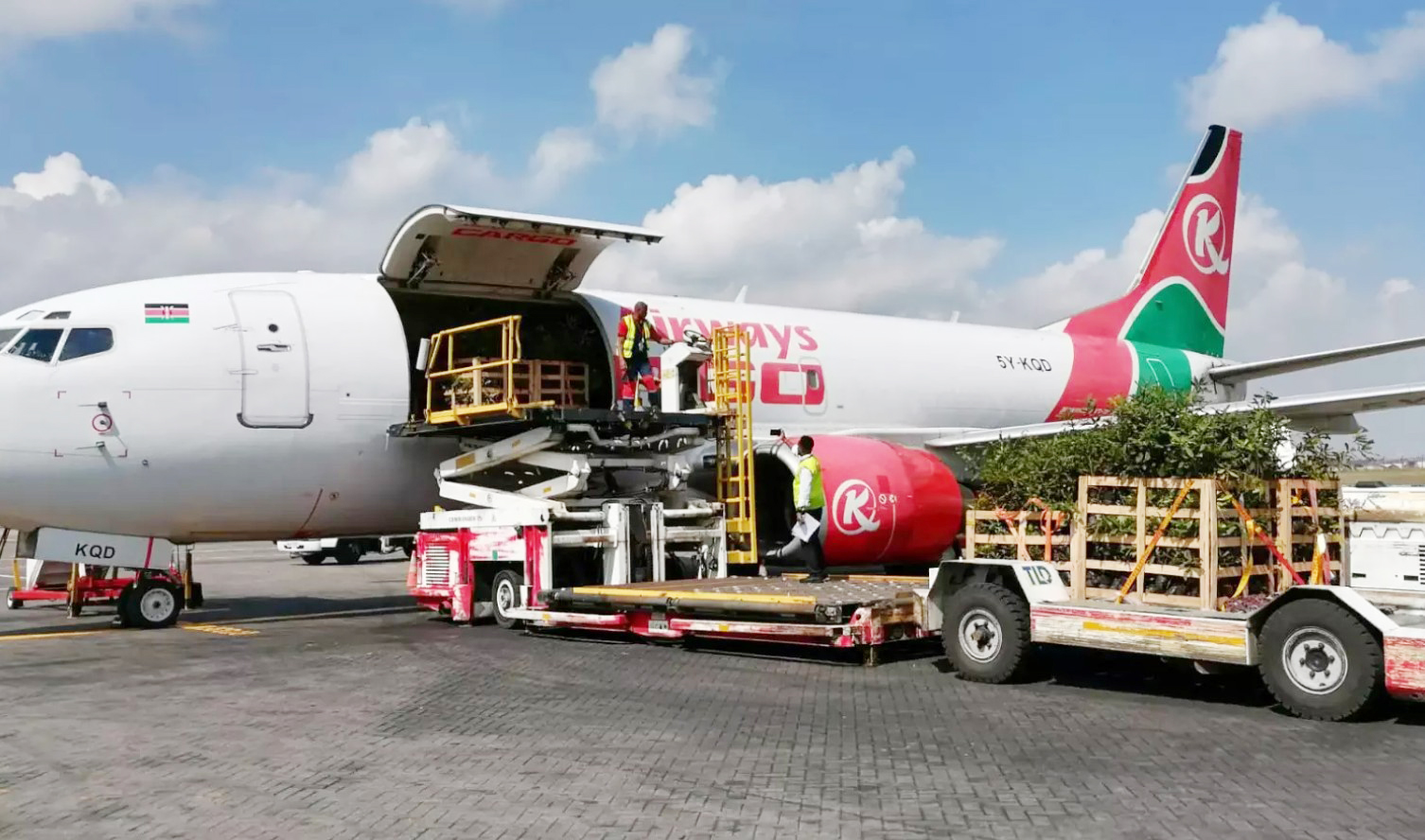
On the cargo side, African carriers posted a 9.4% year-on-year increase in air cargo demand in July, marking their strongest monthly performance since August 2024. IATA showed this rebound was driven by strong flows on the Africa-Asia corridor, which grew 12.1%, and by expanded belly-hold capacity, which reached its highest level ever.
“Looking ahead, Africa’s aviation market is forecast to grow at 4.1% annually over the next 20 years, the third-fastest globally, reaching 411 million passengers. East Africa leads in expected growth, followed by Central and West Africa, Southern Africa and Northern Africa,” Alawadhi stated.
He added that these figures underscore the urgency and potential of aviation in Africa, noting that two strategic priorities essential for Africa’s growth are connecting the continent and strengthening intra-Africa trade.
To open skies across Africa and increase competition, the Single African Air Transport Market (SAATM) was created to reduce fares and expand routes. However, implementation remains slow with only 38 countries having signed up, representing more than 80% of Africa’s aviation market.
In addition, the African Continental Free Trade Area (AfCFTA) has the potential to lift millions out of poverty by building a single market of 1.3 billion people.
“Aviation is the backbone of that ambition. Cargo and passenger services make it possible for goods, services, and people to move quickly and reliably. Yet today, intra-African trade accounts for only 15% of the continent’s total trade, compared to more than 60% in Europe. That gap tells us what is at stake,” Alawadhi added.
IATA analysis shows more than 80% of intra-African routes remain underserved, limiting the full benefits of regional integration. This is despite airlines, airports, and logistics companies being ready to support AfCFTA. However, to benefit from this, Alawadhi said governments need to recognize aviation as a strategic enabler of trade, not just a source of tax revenue.
“As global protectionism increases, Africa has a unique opportunity to strengthen its internal trade networks. By investing in aviation infrastructure, liberalising markets, and aligning policies, the continent can build resilient supply chains and unlock new economic corridors,” Alawadhi stated.