
Agriculture has long demonstrated its ability to feed, clothe and supply raw materials for building settlements and other industrial developments worldwide.
As farmers strive to remain resilient and profitable, it becomes essential for them to incorporate renewable energy sources into agriculture to lower production costs and help combat climate change.
Renewable energy refers to any form of energy derived from natural sources that can be replenished faster than it is consumed. In Namibia, solar and wind energy are constantly being replenished and could be highly significant if utilised effectively and efficiently within the agricultural sector.
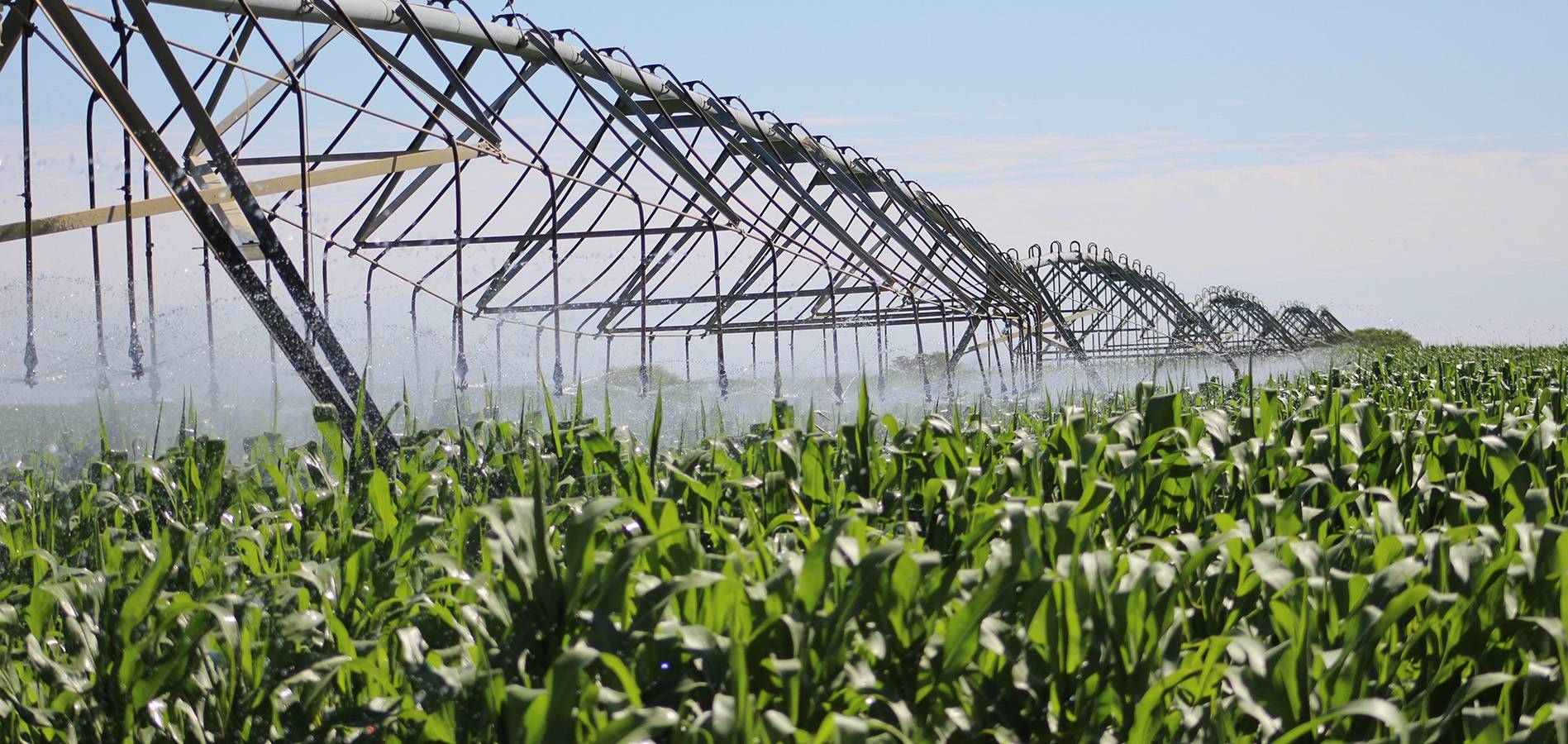
Given Namibia’s semi-arid climate, solar energy is the most abundant renewable resource that can be integrated into agricultural practices. Many farmers find it expensive to operate advanced irrigation systems, such as centre pivot systems, with monthly electricity bills ranging from N$15 000 to N$32 000.
By switching from grid power to solar energy, farmers can significantly reduce their expenses. The primary cost to farmers involves purchasing and installing a solar-powered centre pivot system.
Annual maintenance fees are also incurred each year, which can lead to substantial savings on production costs. Many solar panels have a lifespan of 15 to 30 years, representing significant long-term savings and enabling farmers to redirect capital toward other enterprises or farm infrastructure.
Solar energy can also be used to produce crops year-round, as solar-powered pumps can be installed to extract underground water stored in portable tanks.
This stored water can be used for irrigation with water-conserving technologies such as drip irrigation systems, helping farmers meet water needs even in dry periods.
Solar energy can also be used to pump water from catchment areas, such as water pans, and channel it to nearby crop fields that experience drought during the rainy season.
This approach can reduce the risk of crop failure by fulfilling daily water requirements and utilising stagnant water in water pans efficiently rather than losing it to evaporation.
Water from pans can also irrigate fruit orchards near water bodies. This practice can contribute to combating global warming, as trees absorb excess carbon dioxide from the atmosphere.
Moreover, solar energy can be used to establish cold storage facilities at strategic production sites, minimising post-harvest losses due to limited on-farm cold storage.
Commercial solar plants can be installed on farms to generate electricity for feeding into the power grid, helping the government reduce expenses associated with bulk electricity imports.
Wind energy, on the other hand, can be highly effective for pumping water for human, livestock, and wildlife consumption in areas with consistent winds. In such regions, wind turbines and reservoirs can harness underground water sources for crop production, poultry, and livestock.
Renewable energy remains an untapped resource that can support sunny and windy countries like Namibia in building a productive agricultural sector. It offers the potential to unlock significant production opportunities and generate vital employment. Using renewable energy sources also greatly reduces emissions, thereby lowering air pollution and greenhouse gases that contribute to global warming.
Over time, adopting renewable energy can lower farming costs and boost the profitability of agricultural businesses. Think farming, think renewable, and consider long-term sustainability for a robust agricultural future.
*Hanks Saisai is Agribank’s technical advisor on crops and poultry.