

The Finance Ministry and the Bank of Namibia have issued a strong warning against fraudulent investment schemes targeting Namibia’s growing infrastructure ambitions, as authorities move to protect the integrity of the national financial system amid rising international investor interest. The warning comes as Namibia increasingly attracts global attention following its major oil and gas discoveries and the emergence of large-scale green hydrogen projects, developments that have positioned the country as one of Africa’s most closely watched investment destinations.
In a statement, the Ministry of Finance revealed that it has received numerous unsolicited funding proposals from private entities and intermediaries claiming to represent investors seeking to finance infrastructure and development projects in Namibia. For Namibia, the message is clear, that the country welcomes foreign capital, but only through transparent, regulated and legally compliant financial systems.
According to the ministry, many of the proposals identify specific projects for funding while simultaneously proposing contractors to execute the projects on behalf of government, which is an arrangement authorities have now firmly rejected.
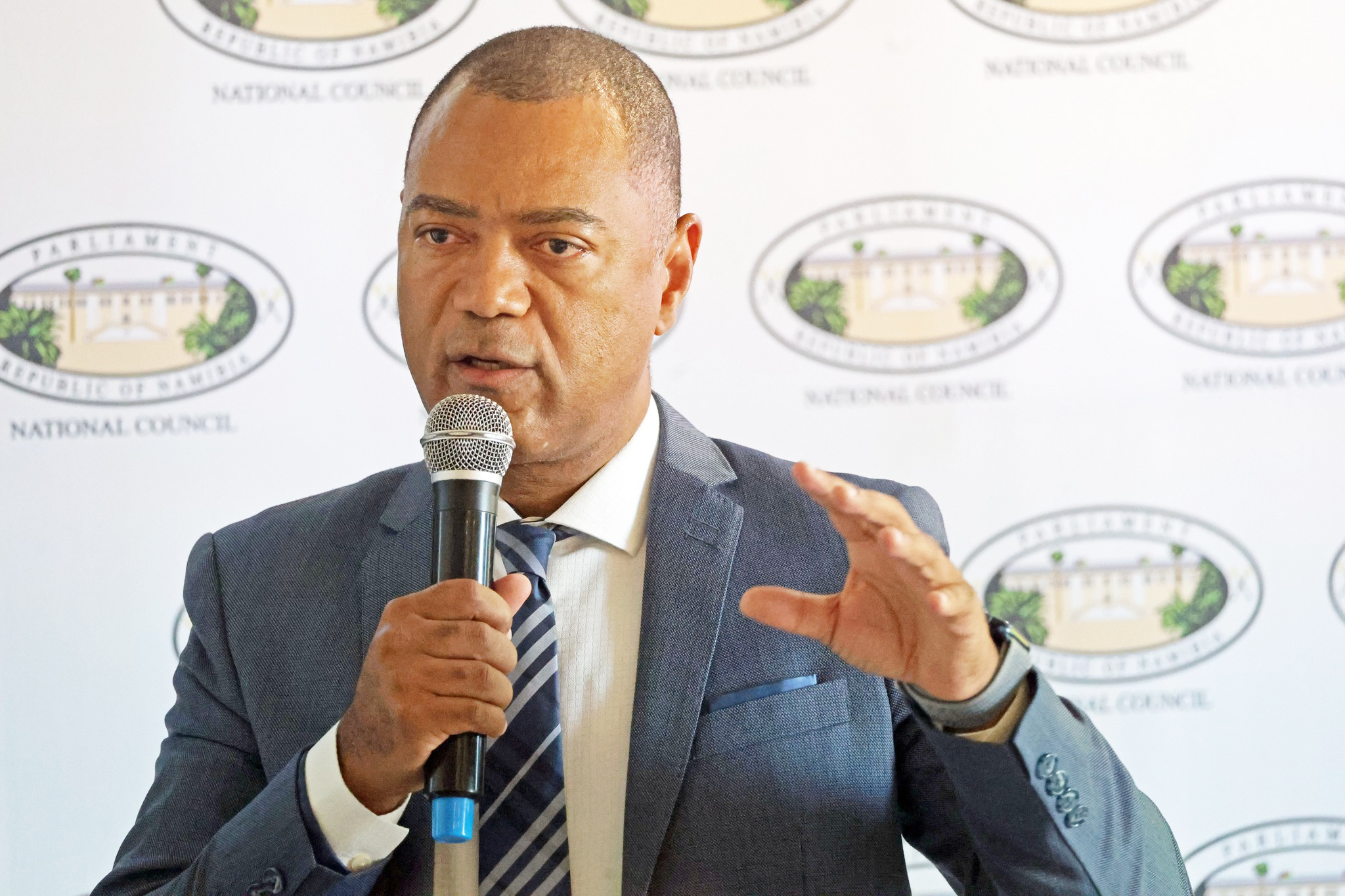
Executive Director in the finance ministry, Oscar Capelao stated that while the government recognises that such proposals reflect investor appetite for Namibia’s infrastructure opportunities, all borrowing and project financing must comply strictly with the country’s legal and procurement frameworks.
The ministry stressed that state borrowing is governed by the National Planning Commission Act and the State Finance Act, which collectively regulate how projects are approved, evaluated and financed.
Under these frameworks, the National Planning Commission Secretariat is responsible for appraising development projects submitted by government offices, ministries and agencies before recommendations are made to the finance ministry for possible funding. The ministry further clarified that only the Minister of Finance has the legal authority to undertake public borrowing on behalf of the state, whether domestically or internationally, including through treasury bills, government bonds and agreements with recognised financial institutions.
At the same time, authorities emphasised that the Public Procurement Act requires financing arrangements involving the state to follow competitive bidding procedures rather than private unsolicited deals.
“The Government does not borrow money for funding for projects from unsolicited bids through individuals, private companies or agents acting on behalf of private companies or individuals,” the ministry stated.
The statement closely aligns with an earlier warning issued by the Bank of Namibia regarding a surge in fraudulent investment scams falsely linked to government development programmes.
According to the central bank, scammers have increasingly targeted senior politicians, public officials and civil servants using fabricated investment offers supposedly worth millions or even billions of US dollars or euros. The schemes often involve forged SWIFT transfer documents and fake payment confirmations claiming that massive foreign funds have already been transferred into Namibia for infrastructure and development projects.
Fraudsters then attempt to pressure authorities or commercial banks into releasing non-existent funds, sometimes demanding intervention from the central bank itself.
The Bank of Namibia stated that investigations and verification processes confirmed that the alleged transfers did not exist and that forged documentation was being used to create the appearance of legitimacy.
Authorities also identified common warning signs in the scam documents, including typographical errors, inconsistent information and fake institutional logos.
The Bank of Namibia stated that Namibia remains fully open to legitimate foreign investment and financial inflows that contribute to economic growth, but cautioned that the country will not allow its financial system to be exploited for fraudulent purposes.
“The integrity of the financial system cannot be compromised,” the central bank stated, adding that BoN remains committed to safeguarding financial stability and preventing abuse through illicit schemes.
The twin statements from the Ministry of Finance and the central bank are aimed at drawing a clear distinction between legitimate investment opportunities and increasingly sophisticated fraudulent operations attempting to exploit Namibia’s development momentum.
Government has instead encouraged investors interested in financing infrastructure projects to participate through official channels such as treasury bill and bond auctions conducted via the Bank of Namibia or through formal international bond issuances publicly announced by government.