

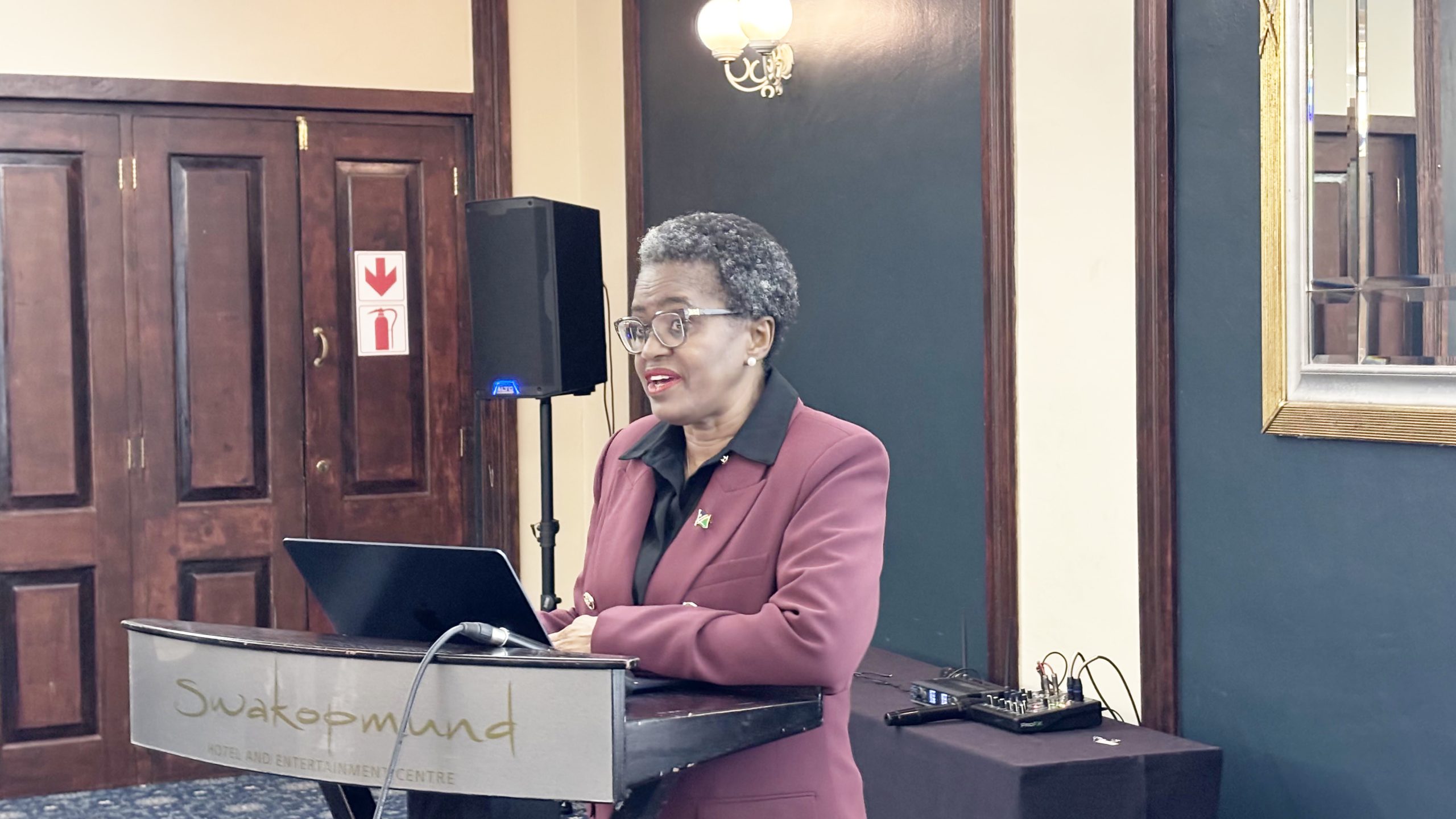

SWAKOPMUND – The Ministry of Environment, Forestry and Tourism has outlined an urgent need for decisive reforms to regularise Namibia’s gambling industry amid concerns that weak oversight is costing the country revenue and exposing citizens to social harm.
The minister, Indileni Daniel, expressed the concerns while recently officiating at the opening of a strategic engagement session of the Gambling Board of Namibia in Swakopmund.
She said the board must be fully functional and aligned with national priorities to ensure the sector contributes meaningfully to economic growth.
“It is my wish for the Gambling Board of Namibia to be fully functional and operational, to live up to its legislative mandate and to make a measurable contribution to national outputs,” she said.
She stressed that the Integrated Strategic Business Plan must be anchored in the Sixth National Development Plan (NDP6) and called for the development of a National Gambling Policy that reflects industry realities while anticipating emerging risks. The minister said such a policy should prioritise player protection, skills development, job creation, the empowerment of previously disadvantaged groups and efficient levy collection.
“At the same time, we must confront the risks of addiction and excessive gambling with equal determination, and protecting citizens, especially vulnerable groups, should remain a non-negotiable priority,” she said.
Supporting the minister’s position, gambling consultant Fortune Sekgaphane said Namibia urgently needs to formalise and license all operators, particularly in the rapidly expanding online betting market.
“For as long as we have an illegal and unlicenced market operating alongside a licensed one, we have double trouble,” he said.
Sekgaphane noted that unlicensed online operators are extracting substantial revenue without paying taxes or complying with responsible gambling standards.
This leaves the government unable to accurately measure the size of the market or its contribution to the economy. He recommended stricter licensing requirements, improved data collection, technical compliance standards for gaming machines and the introduction of real-time monitoring systems to track gambling activity and revenue flows. Sekgaphane further proposed that operators be required to demonstrate clear employment targets and community investment commitments as part of their licensing conditions. He argued that gambling licences are a privilege that must carry socio-economic obligations.
Gambling Board of Namibia chairperson Ben Shikongo said effective regulation of the sector depends on adequate resources, functional systems and close collaboration with the ministry. -Nampa