
Rudolf Gaiseb
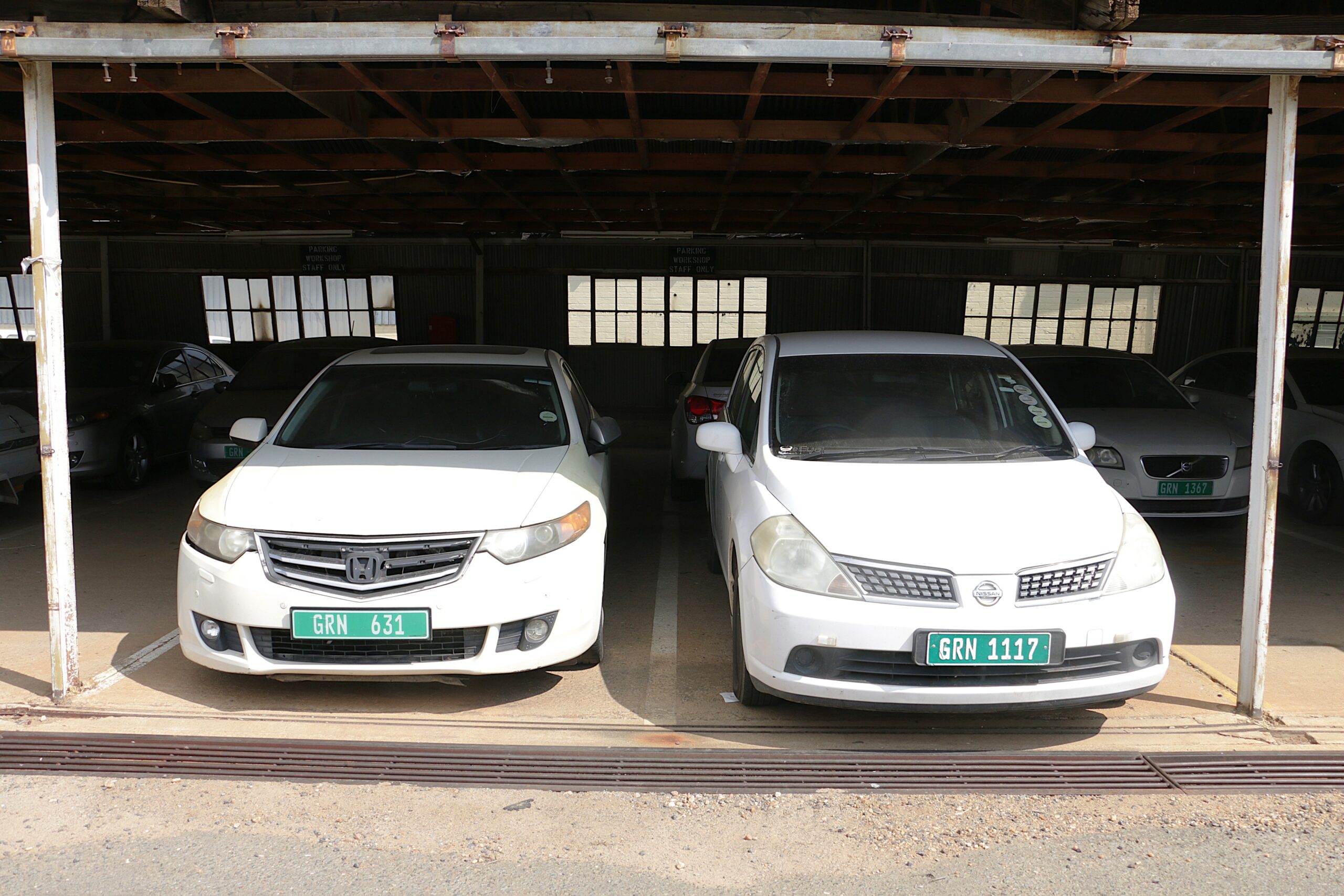
The Ministry of Works and Transport auctioned its old fleet of vehicles, generating N$24.9 million in four months, an amount it will redirect to the ministry’s projects and services.
These government vehicles were reportedly damaged beyond economically repairable condition, while some had reached the end of their mechanical lifespan and were no longer operational.
A total of 306 vehicles were sold at 40 public auctions between 16 June 2025 and 3 September 2025.
On Wednesday, line minister Veikko Nekundi, told parliament they have identified 1 500 more vehicles as part of the disposal strategy. These vehicles which were procured more than five years ago, Nekundi said, would be auctioned publicly.
“This pool of vehicles, we are finalising their disposal through the established disposal framework, and the revenue generated from the process will be utilised to replenish the government fleet,” he said.
He added: “This significant financial recovery demonstrates the economic wisdom of our disposal strategy and provides additional resources that can be redirected towards priority government programmes and services.”
Furthermore, Nekundi said the unreliability of this fleet has resulted in increased government operational downtime, creating ripple effects that negatively impact service delivery across all ministries, agencies, and regional administrations.
“When government vehicles are non-operational due to mechanical failures, essential services are delayed, community outreach programmes are compromised, and the overall efficiency of public service delivery suffers significantly,” noted the minister.
Moreover, the Government Fleet Policy directs that government vehicles’ operational lifespan be five years and mandates replacement or renewal procedures when they reach permissible kilometres of service, regardless of chronological age.
The ministry has recorded disproportionate financial resources consumed by the fleet due to frequent breakdowns, escalating maintenance costs, and persistent need for emergency towing service and costly standby arrangements.
Despite the policy, a portion of the fleet currently used by the public service was procured before 2014.
“Beyond the financial implications, I must emphasise that our aging fleet poses increasingly serious safety risks to the dedicated public servants who operate these vehicles daily, as well as to the passengers they transport in service of our nation,” he emphasised.
These safety concerns cannot be understated, as they directly impact the welfare of our civil servants and the communities they serve, the minister highlighted.
Photo: Heather Erdmann