

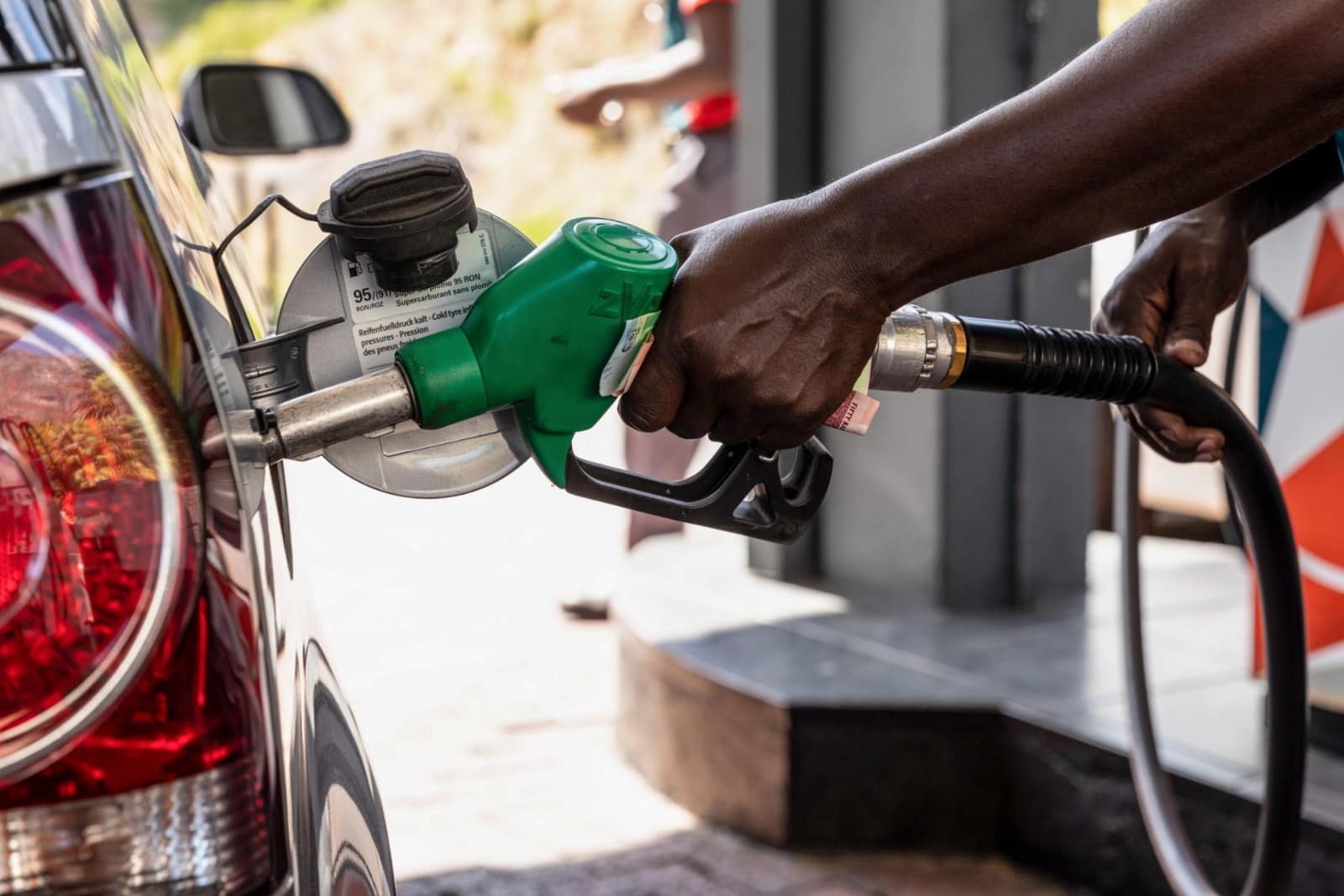

With Namibia’s current fuel reserves estimated to last for three months due to supply disruptions caused by the heated conflict in the Middle East, Prime Minister Elijah Ngurare says government is working around the clock to avert a national fuel supply crisis.
Ngurare was responding to PDM leader McHenry Venaani on Tuesday in the National Assembly on Namibia’s contingency plans and overall readiness to tackle the ongoing disruption of global fuel supply chains, which have also severely affected neighbouring Botswana, South Africa and others.
The widening United States- Israel war on Iran and an escalating Middle East conflict have caused acute disruptions in oil and gas supply globally because of a blockade to maritime traffic in the Strait of Hormuz – a vital waterway for traded oil.
The Middle East war has in the past few days caused fuel prices to soar from US$85 to US$90 a barrel to between US$150 and US$200 per barrel, with Gulf State producers having throttled production as they currently have no way of getting their crude to the global markets.
“Yes, the country currently appears to be safe only for the next three months, and that is in terms of security of supply for our national fuel needs. But government is not watching the situation from the sidelines. With the guidance of the president, we have moved very fast to ensure that we convene and deliberate on various options which will ensure that Namibia is not negatively hit by this crisis. We have met and are in the process of meeting all stakeholders in the fuel sector, and in good time, we will announce certain contingency measures,” said Ngurare.
On Venaani’s additional query of whether the government is planning to install a taskforce to come up with various supply options for Namibia to avoid a total national fuel crisis, Ngurare said a task force has already been deployed as a proactive measure.
“Yes, we have put into force a task team. It is a geopolitical conundrum that all countries are in, and the government is fully seized with the matter, and in good time, we will reveal what options we are looking at. We need to be responsible; we cannot take anything for granted, taking into consideration the volatile situation,” he stated.
The Premier added that the government has to date deployed various strategies that have ensured that external shocks to the country’s petroleum sector are minimised, which includes a decision to keep national fuel prices unchanged for March.
At the coast, petrol remains at N$19.58 per litre, diesel 50 ppm at N$19.63 per litre, and diesel 10 ppm at N$19.73 per litre. Dealer margins were, however, increased by two cents to N$2.38 per litre from 4 March.
Namibia’s downstream sector is a N$20 billion-a-year revenue industry. The country does not have crude oil reserves or refinery capacity and predominantly relies on the Middle East, Europe and Singapore for all its refined fuel requirements through imports.
-ohembapu@nepc.com.na