
Hilma Nalupe
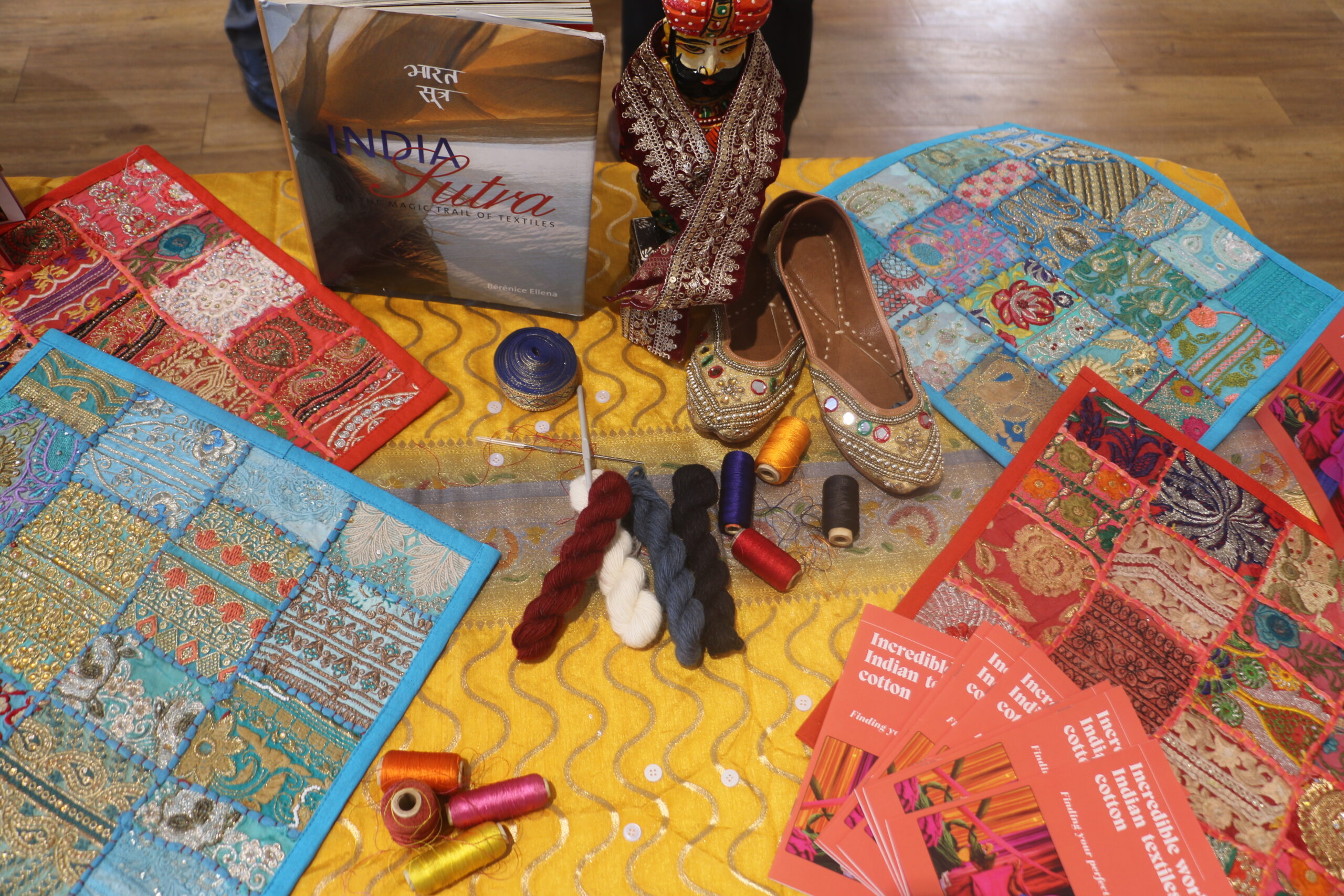
The High Commission of India in Windhoek was filled with colour, texture and history earlier this week as an exhibition on the importance of Indian textiles and cotton began. The showcase which took place on Tuesday, takes visitors on a journey through thousands of years of craftsmanship and culture.
From the ancient Indus Valley civilisation, where cotton was first cultivated 4,500 years ago, to the luxurious silks and muslins that dazzled Mughal courts, India’s story has always been woven into fabric. For generations, artisans have turned cotton, silk and wool into expressions of identity, tradition and celebration.
High Commissioner of India to Namibia, Rahul Shrivastava, said the exhibition was not simply about fashion, as the history of textiles in India stands as a living testament to the nation’s creativity, resilience and cultural diversity.
He explained that textiles in India carry deep cultural meaning. “For various occasions, whether religious or social, we have a particular kind of textile or cotton textile that goes with it. Even the colours have a significance,” Shrivastava said, pointing out that white often symbolises purity, red is used at weddings and yellow for pre-marriage ceremonies.
While the event celebrates India’s heritage, it also opens opportunities for Namibia. The commissioner emphasised that exhibitions like this strengthen cultural ties and encourage new connections in trade, design and education.
For Namibia’s growing fashion and textile industries, exposure to India’s traditions and techniques could spark creativity, inspire sustainable practices, and even open doors for collaboration between local and Indian artisans.
“Through this exhibition, we are honoured to present to you a glimpse of this timeless heritage,” Shrivastava added. As guests admired the intricate designs on display, the fabrics spoke louder than words, carrying the spirit of India, but also showing how culture can be a bridge between nations.
The exhibition is open to the public until 22 September at the High Commission of India in Windhoek. It offers Namibians a chance to experience history, artistry and the possibilities that come when cultures connect. -hilmanalupe@gmail.com
Photo: Hilma Nalupe