

Iuze Mukube
Lahja Nashuuta
As Namibia celebrates its 36th year of independence, the justice system- one of the key institutions responsible for safeguarding the protection of rights- cannot be overlooked.
Its evolution has placed it as one of the institutions playing a central role in the development of the country.
From a past shaped by limited access to justice under colonial and apartheid rule from 1884 to 1990, the country has built a constitutional legal system grounded in the rule of law, equality before the courts and the protection of fundamental rights.
The adoption of the Constitution has ensured that reforms and institutions dedicated to the administration of justice strengthens democracy and redress the woes of its the people through the courts.
Before independence, the laws enacted during the Germany and South African regimes, operated on the whims and facies of its colonial oppressors.
From 1884 to 1915, under the control of the German colonial administration, the justice system was racially discriminatory and served colonial interests rather than justice for all people.
During this era, indigenous Namibians were treated vastly different from European settlements, with punishments harsh and aimed at maintaining colonial control.
There were major injustices as legal protections for indigenous people were almost non-existent.
From 1915 to 1990, the country came under the rule of the South African regime, and while courts were established during this time, the system was more of a divide and conquer operation.
Black people did not have access to justice and faced various restrictions on their movements, ownership and political participation.
True equality did not exist for black people during this era.
Veteran defence lawyer, Mbanga Siyomunji stated that before Namibia gained independence, the country was governed under the apartheid system, which enforced racial segregation and discrimination.
Siyomunji stated that access to justice at the time was limited, with many black Namibians facing significant barriers when seeking legal redress in the courts.
Following independence in 1990, Namibia adopted a constitutional democracy anchored by a strong Bill of Rights, which guarantees fundamental freedoms and equal protection under the law, he added.
He said that the Constitution, together with legislation such as the Criminal Procedure Act, introduced safeguards against arbitrary arrest and detention, and other requirements.
He stated that the justice system has evolved, with access to justice vastly improving.
He pointed out that institutions such as the Ministry of Justice, the Office of the Judiciary and Legal Aid Directorate play an important role in ensuring that all citizens, including those without financial means, can approach the courts and have their disputes fairly resolved.
He added that compared to the pre-independence era, Namibia’s legal system today offers broader access to the courts, stronger protection of rights, and greater opportunities for people to have their matters heard and determined by the judiciary.
Briefly, over the past three decades, the country has also made strides in Namibianising the justice system with more local judges, magistrates, and prosecutors taking up leadership roles in the courts.
As Namibia marks 36-years of independence, the public should be aware that the courts remain central to safeguarding democracy, and ensuring that the rule of law continues to guide the nation’s development.
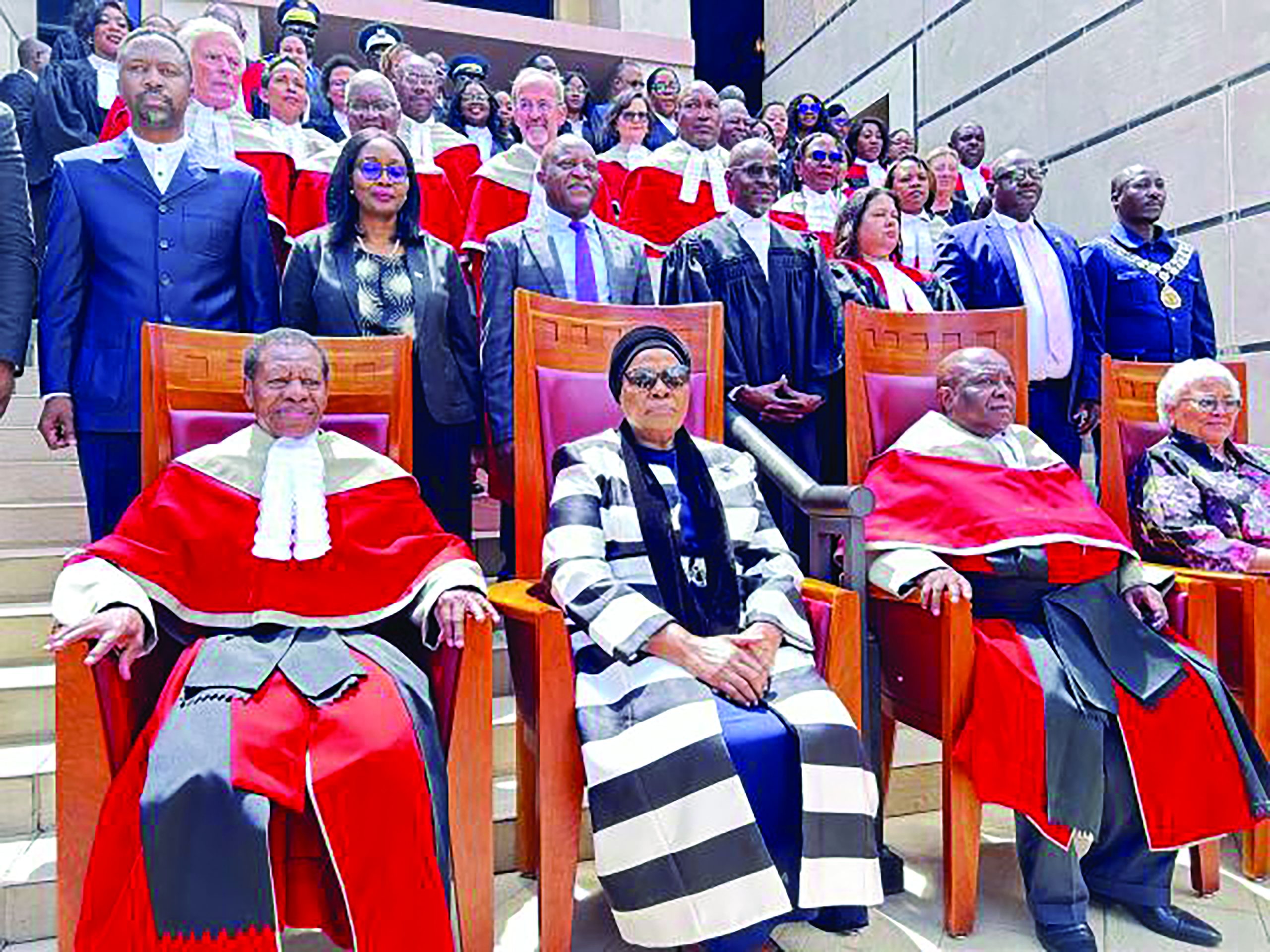
Photo: Heather Erdmann