
NKURENKURU – The Kavango West directorate of water supply and sanitation coordination has completed 24 of the 80 targeted boreholes and water sources during the 2024–2025 financial year, recording only 30% of its planned execution.
The regional head of the directorate of water supply and sanitation coordination, Richard Shikongo, acknowledged the shortfall during a water and sanitation forum meeting held on Tuesday at Nkurenkuru community hall, citing budgetary constraints as the primary obstacle to meeting water infrastructure targets.
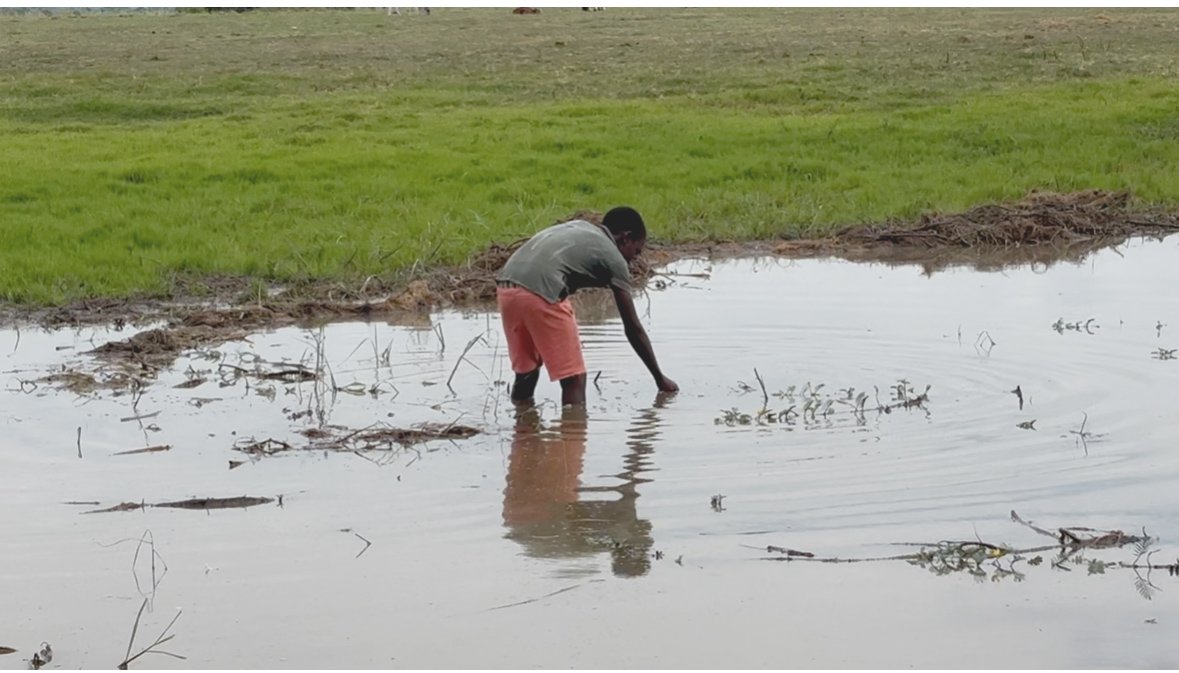
Shikongo warned that the Nkurenkuru constituency will soon face severe water challenges related to both quantity and quality. The constituency, which serves as a regional hub, is experiencing declining water resources that threaten to leave residents without an adequate supply.
“We have water, and sometimes this water supply is not at the consistent level that we want it to be,” Shikongo said. The 30% completion rate highlights ongoing challenges in rural water provision, with Nkurenkuru representing a critical concern for regional water security.
During the 2024–2025 financial year, the directorate managed seven water point installations, including three new boreholes in the Musese, Tondoro and Kapako constituencies. A further five boreholes were drilled using the current-year funding allocations.
Technical achievements included the installation of two fleet management systems, with one nearing completion near constituency committee offices and another planned for strategic locations. However, major pipeline projects remain stalled.
“The lack of increased funds has hindered progress on pipelines,” officials reported, although support from the regional council enabled some projects to be completed, including the Manyondo to Bunya pipeline.
Desalination plant installations, which are critical to addressing water quality challenges in communities that spend significant amounts on system repairs, remain delayed due to insufficient funding.
Many residents are forced to frequently replace water systems because of poor water quality, a situation that is expected to worsen in Nkurenkuru without immediate intervention.
The shortfall has particularly affected schools and healthcare facilities. Shikongo noted that hospitals struggle with basic water supply disruptions, which hamper life-saving operations.
“Our role in sanitation as director of water supply is reduced primarily to the construction of sanitation facilities for communities,” Shikongo clarified, noting that his office often receives maintenance requests that fall outside its mandate.
The directorate has constructed eight sanitation facilities with the involvement of youth and has conducted training programmes. Additional installations are planned, although funding constraints may affect implementation timelines.
-Nampa