
SWAKOPMUND – The destruction of declared chemical weapons stockpiles in 2023 marked a decisive milestone in global disarmament and reinforced the importance of the Chemical Weapons Convention (CWC).
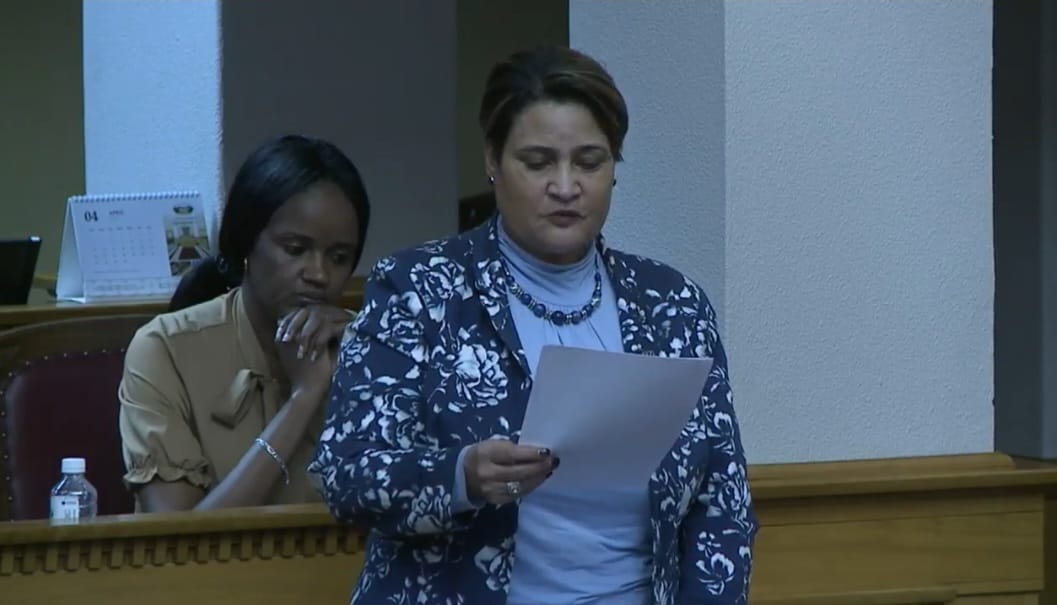
This was said by Deputy Minister of Industries, Mines and Energy, Gaudentia Kröhne, at the official opening of the 2025 Integrated Advanced Course and Exercise on Assistance and Protection against Chemical Weapons for English-speaking African states in Swakopmund on Monday.
The week-long training is organised by the technical secretariat of the Organisation for the Prohibition of Chemical Weapons (OPCW) in collaboration with the Namibian government.
Krönhe said the 2023 milestone, achieved 26 years after the CWC was established, marked the first time an entire class of weapons had been destroyed under a multilateral disarmament treaty.
“This historic achievement underscores the commitment of the international community to disarmament. It also reminds us of the need for vigilance, capacity building and preparedness to ensure chemical weapons do not re-emerge in any form,” she said. OPCW programme officer Babatunde Olowookere, expressed gratitude to Namibia for its continued support. He said Africa remains a focus area due to the challenges faced in implementing the convention.
“The OPCW provides expert guidance, technical support and essential resources to safeguard populations against chemical threats. This course, part of the fourth phase of the 2024–2025 training cycle, will equip participants with practical skills in detection, sampling, decontamination and emergency response,” he said.
Chairperson of the National Authority and Director of Commerce, Diina Nashidengo said the training reflects Africa’s determination to build collective resilience and strengthen its ability to respond to cross-border threats.
The six-day programme combines practical demonstrations and field exercises. By the end of the training, participants are expected to demonstrate the ability to respond effectively to incidents involving chemical warfare agents and toxic industrial chemicals, enhancing regional capacity.
Participants include representatives from civil defence, fire and rescue services, police, military CBRN units, hazardous materials teams and medical responders. – Nampa