
Lahja Nashuuta
At least four people were killed and hundreds were arrested during the protest in Angola’s capital, police said.
The protests erupted on Monday in response to the government’s decision earlier this month to raise the price of diesel by 30%, which led to large hikes in fares by minibus taxis, an important method of transport for many Angolans.
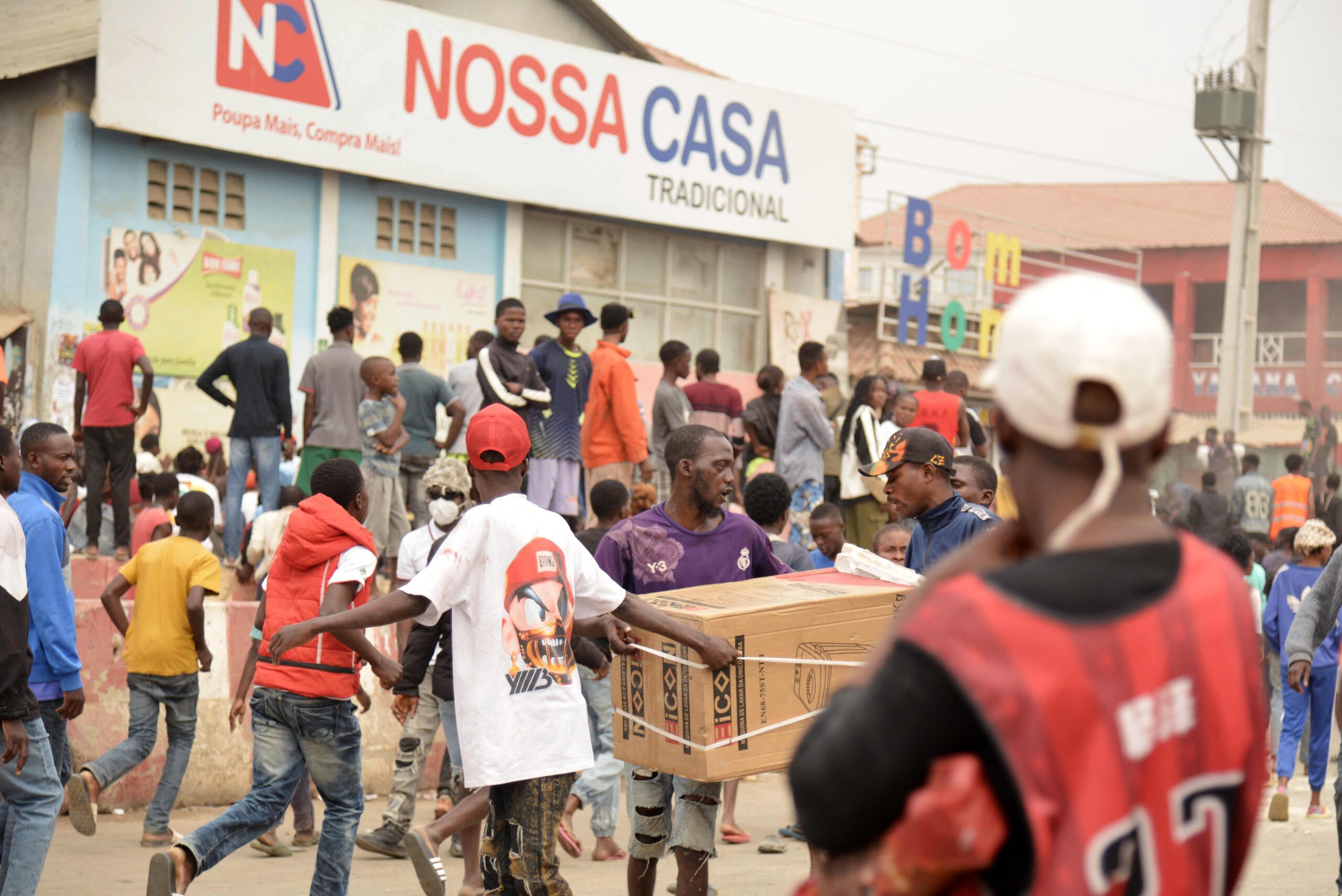
According to media reports, gunfire could be heard in central Luanda’s Cazenga area, where people were seen looting food and other items from shops. Moreover, social media images and videos show clashes in the Rocha Pinto suburb near the airport, as well as in the Prenda area.
Police said in a statement on Tuesday that hundreds of arrests were made in connection with rioting, vandalism and looting of shops. Meanwhile, cars and buses were damaged, and roads were blocked. Transport in Luanda remained suspended, and shops closed on Tuesday.
But experts opine that the situation is a warning to other African countries, including Namibia, of what can happen if states fail to fix long-standing problems like poverty, corruption and poor service delivery.
Recently, Angola’s government removed fuel subsidies to save money.
This move, albeit with bona fide intentions, caused a sharp rise in fuel prices, which made transport more expensive, pushed food prices through the roof and made life much harder for ordinary people.
This sparked anger and led to nationwide protests.
Weighing in with his diplomatic lenses, seasoned politician and diplomat Tuliameni Kalomoh was blunt.
“The problems we see in Angola are caused by poor services, inequality and corruption, which are common across Africa. Namibia also has some of these issues,” he said.
It is further Kalomoh’s fervent view that when governments fail to provide basic services for a long time, citizens are bound to lose patience.
“You can’t ignore people’s needs forever and expect peace. When people can’t get water, electricity, or jobs, they get angry,” Kalomoh said. According to him, it is even worse when the masses see a select few enjoying their nations’ opulence while they languish in a sea of poverty.
“Perceived corruption is about how people feel. If they believe they are being treated unfairly, that creates tension,” he added.
Kalomoh said the fuel subsidy cut in Angola was the final push. “If you remove subsidies and don’t help people cope, the cost of living becomes too high. Life becomes unaffordable… what’s happening in Angola could happen here too. These are African problems, not just Angolan ones,” Kalomoh said.
However, Kalomoh hastened to say it is not all doom and gloom in Namibia.
According to him, the Namibian government is faring better than others in terms of service delivery and is showing the will to fix problems.
“The leaders in Namibia are admitting that we have challenges. That’s a good first step. That statement wasn’t just for show. It sent a strong message. Some big names have been arrested. Of course, people must get a fair trial, but it’s good to see action being taken,” he said.
Moreover, Kalomoh said, there is still a need to fight inequality and make sure all Namibians benefit from the country’s resources.
“If people don’t feel included or treated fairly, peace will be hard to maintain.”
More than fuel
Adding his voice to the developments, political analyst Ndumba Kamwanyah said Angola’s protests are driven by far more than fuel prices.
“This is a classic case of Africa’s ticking time bomb of unemployment, frustrated youth, weak institutions and corruption. Angola just reached the boiling point,” Kamwanyah said.
Like Kalomoh, he warned Namibia could be on a similar path. “We are not out of the woods. If we don’t tackle unemployment, corruption and the cost of living, we risk the same fate. This is about national stability,” he said. Sharing a similar sentiment, social justice advocate Dietrich Remmert said Namibia’s poorest are already struggling with rising transport costs.
“When fuel prices rise, it’s the domestic workers and vendors who suffer most. Transport can eat up nearly half their wages,” said Remmert. Remmert criticised the failure to implement long-promised public transport reforms.
“We had a transport master plan for Windhoek, but it stalled. Instead of improving mobility, the government is cracking down on ride-hailing services like Lefa and Yango, which many rely on,” Remmert said.
He urged the government to invest in buses, rail and electric vehicles to reduce public reliance on fuel and ease financial pressure.
While the national fuel price slate has buffered some shocks, Remmert said it is financially unsustainable if public debt continues to rise.
Food
Ben Schernick from the Namibian Alliance for Food Security and Nutrition (NAFSAN) called for radical economic reforms, including a universal basic income grant.
“An unconditional grant would stimulate rural economies, relieve pressure on pensioners and slow down rural-urban migration,” Schernick said.
He emphasised that progress requires a collaborative effort. “Government alone can’t fix this. Civil society, business, academia and development partners must work together to create an inclusive economy,” he noted.
Meanwhile, former parliamentarian Hidipo Hamata echoed concerns over the rising cost of living and economic injustice.
“We must not ignore what’s happening in Angola. When people can’t afford food, water, electricity, or housing, they lose hope, and unrest follows,” Hamata asserted.
He said Namibia is facing similar dangers, including soaring inflation, high unemployment and despair among families.
“We must act now, not out of fear, but with vision and leadership,” he advised.
Hamata also called out what he described as unfair market practices. “People are being squeezed at supermarkets and fuel stations. Parliament and regulators must intervene,” he said.
Hamata urged investment in rural development through tax breaks, small business support, and better infrastructure.
“When people see leaders driving luxury cars while they can’t afford bread, it erodes trust in government,” Hamata said.
-Additional reporting by AFP