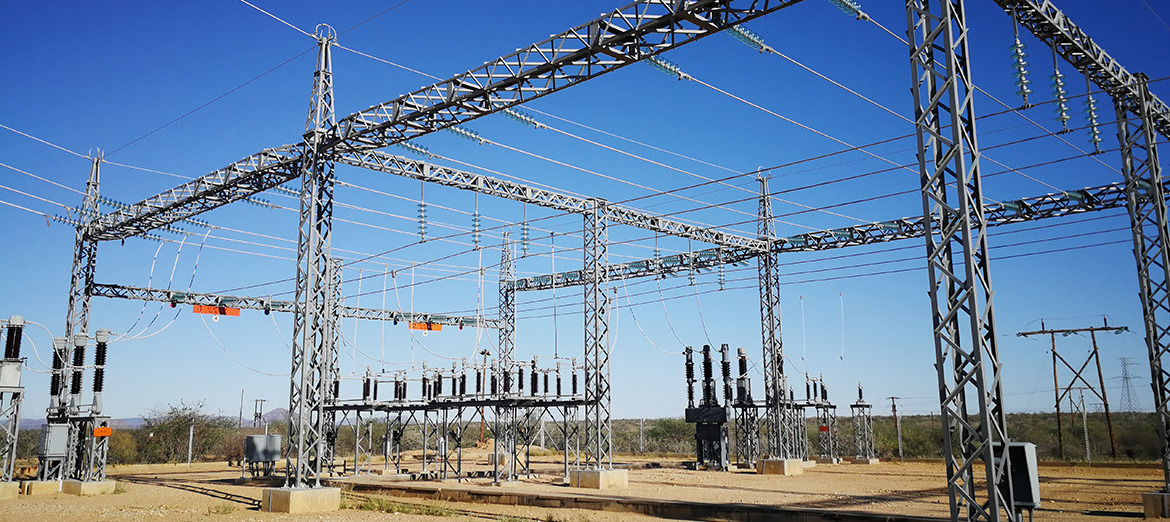

Namibia is targeting 80% electricity self-sufficiency by 2030, director of energy in the Ministry of Industries, Mines and Energy John Titus said.
This target will be met through strategic investments in renewable energy sources like wind power and green hydrogen.
Titus made these remarks during the opening of the Namibia-Germany Green Hydrogen Research and Development Conference on Wednesday.
He noted that Namibia currently imports 50% of its electricity from neighbouring South Africa, Zambia and Zimbabwe.
To reduce this reliance, the government is procuring renewable energy sources, such as wind power, to generate electricity for both domestic use and export.
Namibia aims to export renewable energy in the form of green molecules, including green hydrogen, green ammonia and green fertiliser.
“As a country, we are not just satisfied with producing green hydrogen. We want to take it further. That is why we have projects like Hyphen where we want to produce green ammonia and export green ammonia. They don’t just want to produce green hydrogen or green ammonia but to produce green fertiliser. That is the key driver behind this project,” he stressed.
Chief Sakarias Seibeb of the Daure Daman Traditional Authority welcomed the positive impact of the green hydrogen project on his community.
He highlighted improvements in access to drinking water, youth employment and support for small businesses.
“Young people have been employed, small businesses have been given a chance, and infrastructure is there. In the desert, you can now drink water. In the past, it was just a bare desert.
“Some young people have started to plant, harvest and started their businesses. The vegetables that are harvested there are going to the markets and communities,” he boasted.
Seibeb urged the youth to stay away from drugs and alcohol to fully benefit from the training and job opportunities.
“If you abuse drugs or alcohol, you will not succeed. Employers want people who are healthy and focused. We need to raise awareness and educate our communities about this,” he added.
The two-day conference brought together government officials from the collaborative countries, traditional leaders, researchers and industry partners to discuss progress, opportunities and strategies for green hydrogen development. -Nampa