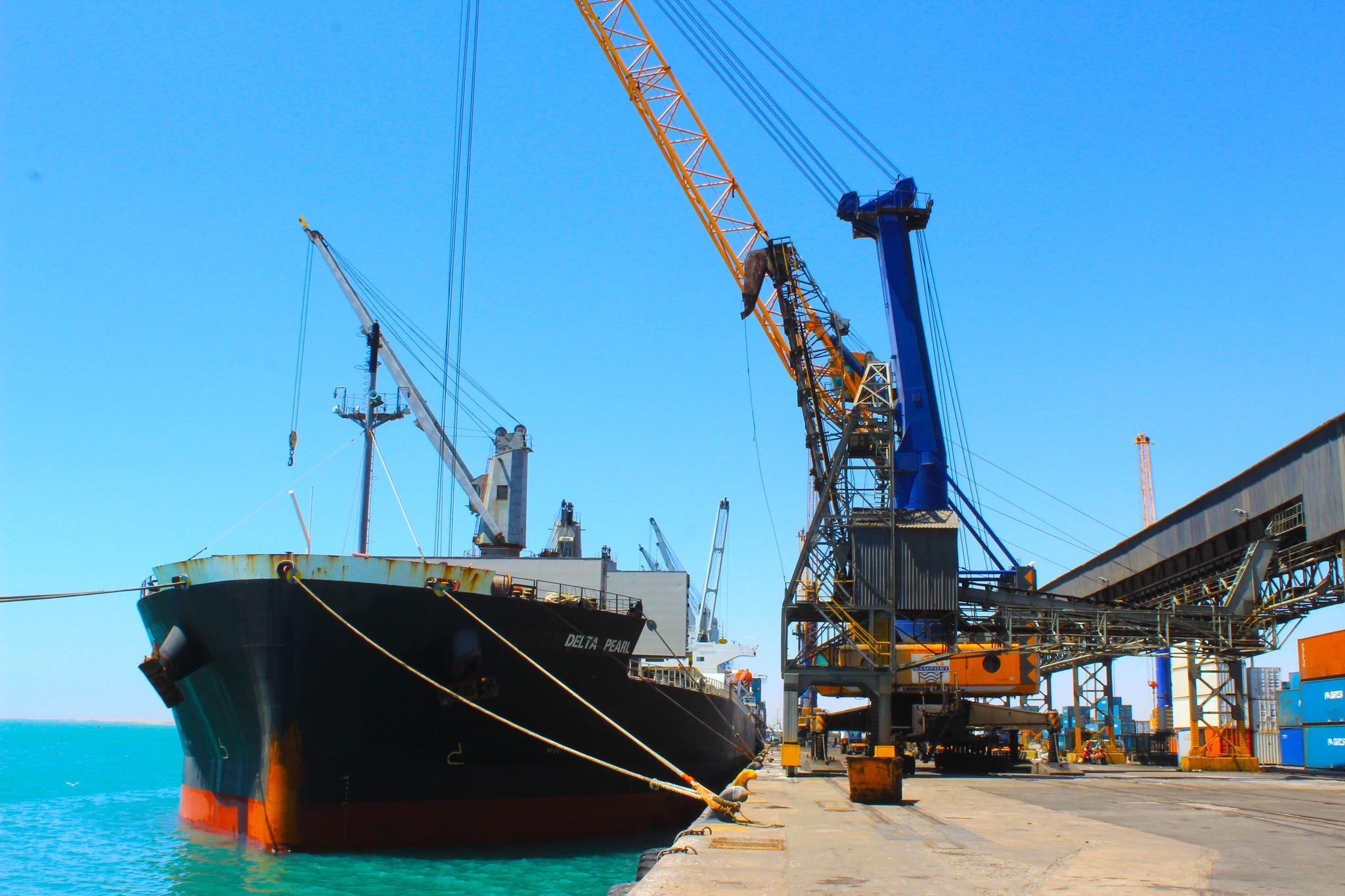

Namibia’s export performance continues to show exponential growth, with the country’s total exports to various African markets standing at over N$4.7 billion, while as of late last year, imports from within the continent stood at N$7.7 billion.
Key export commodities that contributed to the country’s growing trade footprint within the continent are diamonds, uranium, gold, fish and copper, with emerging growth in horticultural products also recorded.
In terms of alignment with the continent’s Agenda 2063 aspiration for a single market for Africa under the African Continental Free Trade Area (AfCTA), Namibia’s trade within the continent has seen significant improvement, with exports within intra-African accounting for 52.3% of total exports, while imports were at 51.8%.
In 2024, the country recorded intra-Africa exports of N$102.1 billion, while during the same period, imports totalled N$166.6 billion.
During the just-concluded NDP5 period, exports averaged N$64.9 billion while imports hovered at around N$89.9 billion. Despite this positive trajectory, Namibia continues to run a trade deficit due to high import levels.
The country has been doing well in terms of its integration and global trade barrier liberalisation efforts, as it was ranked fourth on regional integration in 2023 with a score of 64.7 53 and second on trade integration out of 54 African countries.
Namibia is a member to regional and multilateral trading arrangements such as the Southern African
Customs Union (SACU); Southern African Development Community (SADC); Tripartite Free Trade
Agreement (FTA); African Continental Free Trade Area (AfCFTA); Economic Partnership Agreement (EPAs), and the World Trade Organisation (WTO).
Recently launching the sixth National Development Plan (NDP6), President Netumbo Nandi-Ndaitwah said under the NDP6, the country will redouble efforts in the areas of leveraging new and existing trade arrangements, development, and diplomatic relations to enhance the country’s economic growth through increased exports and inflows.
“Our goal is to develop and implement strategic trade agreements that facilitate smoother cross-border trade, reduce tariffs, and improve trade logistics, thereby increasing the volume and value of exports. We also aim to strengthen institutional mechanisms and coordination across all levels of government, private sector and development partners.
“We will promote and facilitate targeted foreign market access, trade and inward foreign direct investment. Strengthening of legal and regulatory framework will be key in combating illicit financial flows by enacting robust transfer pricing regulations, revising outdated policies, double taxation agreements, and operationalising beneficial ownership registries,” said Nandi-Ndaitwah.
By 2030, she wants to see the country’s value of exports increase to N$168 billion and foreign direct investment in Namibia increase to N$254 billion.
Foreign direct investment
In terms of foreign direct investment, between 2021 and 2023 Namibia attracted over N$114.9 billion in foreign direct investment inflows, of which N$58.9 billion are attributed to oil and gas exploration.
Namibia continues to lead in Africa in terms of foreign direct investment, with the percentage of GDP at 19.0% in 2023 compared to 8.4% in 2022.
Despite the slowdown in foreign direct investment flows globally and across African economies, Namibia still managed to climb to 7th place among Africa’s top foreign direct investment destinations in 2023. This marks a significant improvement from the 16th place Namibia was ranked in Africa in 2022.
-ohembapu@nepc.com.na