

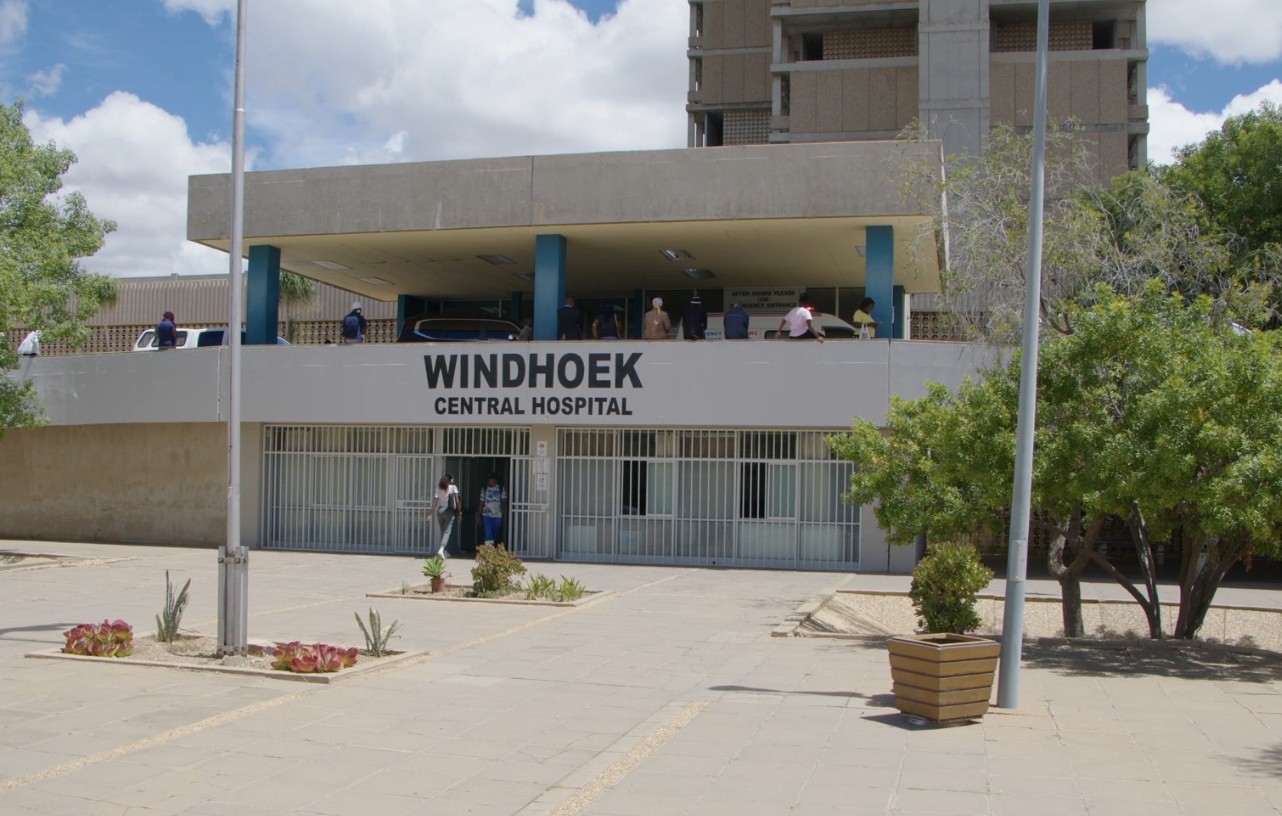

The Namibian public health sector continues to make commendable progress in rolling out equitable, accessible and quality health care and social welfare services to the populace, President Nandi-Ndaitwah has said.
This, she said, is evident through the rapid upgrading of health facilities, enhanced procurement of medicines and the recruitment of additional health professionals.
Through the health ministry’s Vision April 2026 framework, which encourages senior government officials and political office bearers to utilise public health facilities starting April this year, the country aims to foster confidence in government-run health services through quality and reliability.
In keeping true to that promise, the government recently embarked on the full upgrading of seven major health facilities, led by the Windhoek Central Hospital, Katutura Intermediate Hospital, Oshakati Intermediate Hospital, Rundu Intermediate Hospital, Swakopmund/ Walvis Bay Hospital Complex, Onandjokwe Intermediate Hospital and the Keetmanshoop District Hospital.
The upgrades to the seven hospitals will serve as pilot sites to showcase the ongoing improved treatment and capabilities at these facilities.
During Wednesday’s State of the Nation Address (Sona), Nandi-Ndaitwah said the ongoing enhancements will allow these health institutions to serve as benchmarks for nationwide improvements and broader utilisation and are now able to claim reimbursements from medical aid schemes.
“The directive also aims to strengthen the healthcare sector by ensuring that funds from medical aid claims for using state facilities are reinvested to improve healthcare infrastructure, staffing, and the availability of equipment and medicines. It emphasises prioritising dignity in healthcare, raising standards at public health facilities to match private care, and ensuring equitable access to quality healthcare for all citizens,” said Nandi-Ndaitwah, as he highlighted key achievements in the country’s heath sector.
Procurement
Nandi-Ndaitwah said gone are the days when the government would lose millions by procuring medicines and vital equipment through middlemen. The health ministry has now adopted a method where all essential medicines and equipment are directly sourced from international manufacturers and wholesalers.
The new direct procurement system has, since last year, August, saved the government over N$221.5 million and has led to increased medicine availability up from 49% to 57%. The target is to reach an 80% medicine stock level, aligning with international standards for quality health services.
“Savings from this procurement method have been redirected and reinvested into the system to buy more medicines. The government continues to promote this procurement approach to increase stock levels toward the minimum target of 80% across the system, which is the minimum acceptable for quality health services,” she stated.
This cost-effective approach has now been extended to medical equipment, with a recent N$164 million allocation awarded to leading manufacturers to procure the country’s first computed tomography (CT) scan machine for the Keetmanshoop Hospital, along with 126 ECG machines. An additional 22 mobile X-ray units, 39 ultrasound devices, and 548 vital signs monitors have also been procured through the direct and cost-effective sourcing method.
Over 51 000 people with disabilities received assistive devices, a vital step toward ensuring mobility and full participation in society, while more than 1 235 wheelchairs were purchased and distributed.
Nandi-Ndaitwah on Wednesday underscored that these upgrades are expected to holistically improve diagnostic and emergency response capabilities at state-run facilities.
Heightened response
In support of emergency healthcare, the government has procured and distributed over 36 ambulances to health centres nationwide, alongside 34 support vehicles for outreach and community health initiatives.
On the human resources front, the ministry has recruited 3 471 healthcare workers to reduce waiting times and improve overall service delivery, while significant infrastructure projects completed include the Onanghulo, Ompundja, Onamukulo and Mabushe clinics, as well as the Aussenkehr Health Centre.
Specialised units have also been established, including the Katima Mulilo ICU, kidney dialysis units at Keetmanshoop, Katima Mulilo and Walvis Bay, and a neonatal intensive care unit at Swakopmund District Hospital.
The Walvis Bay Oncology Centre was also completed, the first outside Windhoek, and was inaugurated in February this year, providing critical chemotherapy services to the country’s coastal health circuit. Notably, the Maxuilili Clinic and Okuryangava Health Centre in Windhoek are now operational 24/7, including weekends, to accommodate urgent healthcare needs.
Namibia’s public health sector has not only undergone infrastructure improvements but has also been responsive to various disease outbreaks, including the recent cholera, mpox, and Congo fever outbreaks.
The country effectively managed and contained the cholera outbreak in Opuwo, Mpox in Swakopmund, and Crimean-Congo haemorrhagic fever in Gobabis.
-ohembapu@nepc.com.na