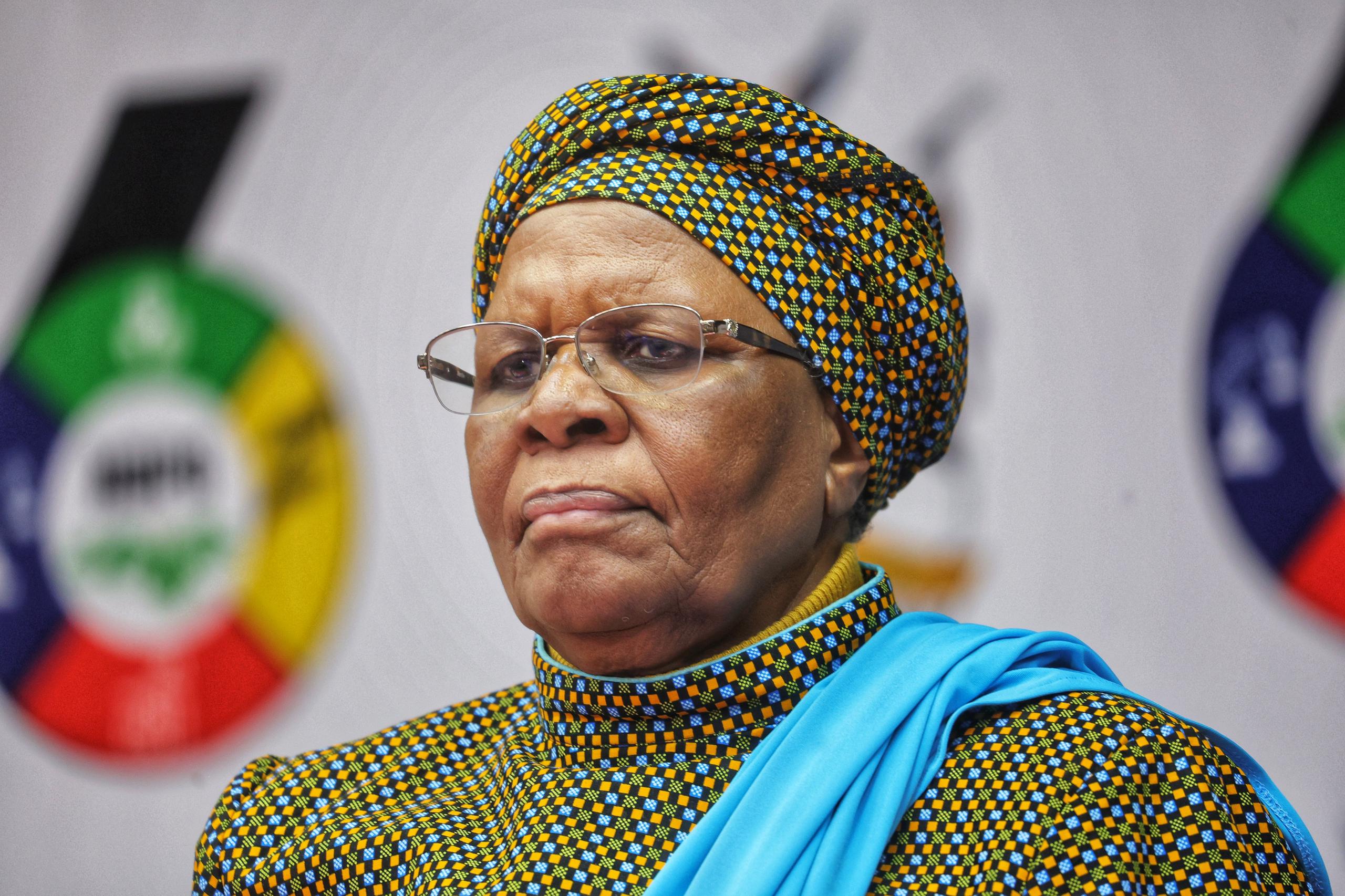

President Netumbo Nandi-Ndaitwah has announced that Namibia will soon buy pharmaceuticals and medical supplies directly from suppliers, bypassing middlemen, to cut costs and ensure faster delivery of medicines to the public.
Speaking during a national address to mark her first 100 days in office recently, the president said the country had started talks with Egypt and India to develop a more transparent and affordable procurement system for medicines.
“We have commenced bilateral engagement with the governments of Egypt and India towards establishing a transparent procurement system that would enable the government to procure pharmaceuticals and supplies directly and no longer through middlemen,” said Nandi-Ndaitwah.
She said the goal is to lower costs, reduce delays and improve availability of essential medicines in the country.
This shift comes at a time the public health sector is under pressure to meet growing demands, especially in rural areas.
The president emphasised that cost-effective mechanisms are essential to ensure equitable health care for all Namibians.
She also said a new Central Medical Store will be built in Windhoek to improve storage and distribution of medical supplies.
“A site has been identified between Katutura and Central Hospitals in Windhoek. Tender preparation is already underway and funding has been secured,” she said.
The new store is expected to reduce stock shortages that have previously left clinics and hospitals without basic medicines and equipment.
In another major development, the president announced that Cabinet had approved the creation of a local pharmaceutical manufacturing plant in Okahandja. The facility will be established through a public-private partnership or joint venture.
A team has already been formed to prepare the Expression of Interest for potential investors, the president added.
This plant will help Namibia produce its own essential drugs, reduce dependence on imports and build national capacity in pharmaceutical sciences.
As part of the health sector transformation, 36 ambulances were purchased in June and distributed to all 14 regions. An additional five were donated – three from the World Health Organisation (WHO) and two from Langer Heinrich Mine.
Furthermore, procurement is underway for 60 mobile health vans – essentially mobile clinics – that will deliver services directly to communities in all regions. Six new medical transport trucks are also planned for this financial year.
“These steps are aimed at expanding primary health care and bringing services closer to where people live,” Nandi-Ndaitwah said.
In addition to the procurement reforms, the president also outlined infrastructure projects currently underway, including a mental health rehabilitation centre in Rehoboth, construction of seven new clinics and the launch of a decongestion pilot project at Katutura Health Centre.
President Nandi-Ndaitwah said these efforts are part of a broader strategy to ensure quality health and social welfare services for all, especially in underserved areas.
“Health care is a right, not a privilege. We are making sure no one is left behind,” she said.