


Matheus David
Up to 134 000 students stand to benefit from Namibia’s newly introduced subsidised tertiary education programme in 2026, education minister Sanet Steenkamp has said.
She described the initiative as a carefully researched intervention aimed at widening access while safeguarding public resources.
Speaking during an interview on Sunday, Steenkamp said the policy should not be mistaken for free tertiary education.
“We must get that right. It is subsidised. So, that means that for undergraduate studies, the government will fully subsidise the registration as well as the tuition fees,” Steenkamp said.
Under the programme, the government will fully subsidise tuition and registration fees for eligible first-time undergraduate students at both public and private higher education institutions.
However, families will still be expected to cover other costs such as accommodation, transport and learning materials.
Steenkamp said the distinction was important to manage expectations and to ensure sustainability. “It’s subsidised. There are still costs that families will have to carry, especially those who can afford transport, accommodation and learning materials,” she said.
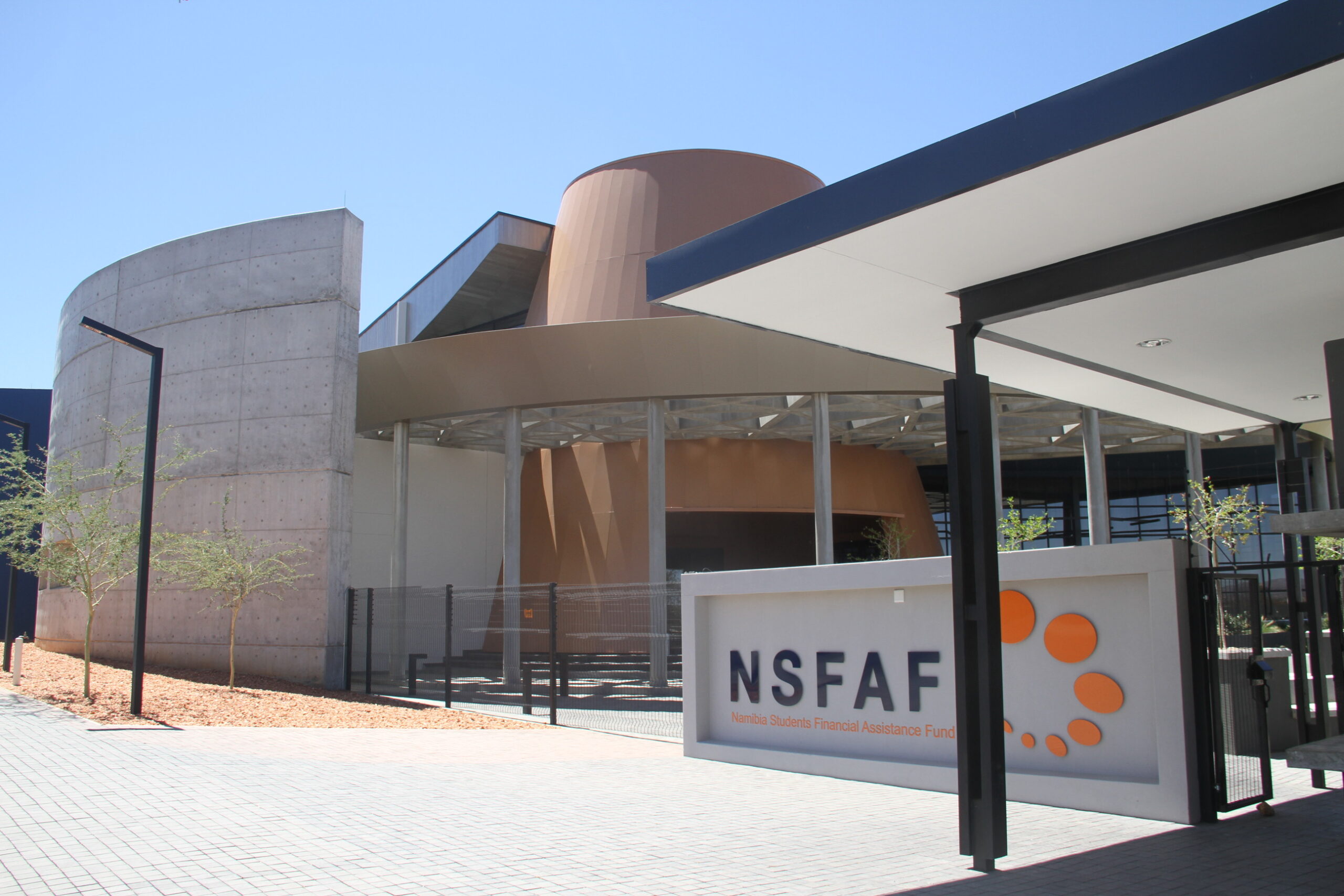
She said the figure of 134 000 potential beneficiaries is based on enrolment data from public and private institutions, as well as the number of students previously supported through the Namibia Students Financial Assistance Fund (NSFAF). However, she cautioned, the actual number may be lower, depending on whether institutions meet minimum quality standards.
“That number may significantly reduce depending on whether institutions, public and private, meet the required standards of quality provision,” Steenkamp said. The minister acknowledged that Namibia’s labour market is already saturated in some fields, particularly nursing and primary education.
“You cannot deny that there has been an oversupply in specific fields such as nursing and primary education,” she said, noting that the government could not ignore employment realities when funding tertiary education.
According to Steenkamp, the subsidy programme is grounded in an evidence-based approach, aligned with national development priorities. A new skills supply and demand model will be developed in 2026, when the current priority list expires, to guide future funding decisions alongside the national Human Resource Development Plan.
“We have a clear sense of what should be the priority fields,” she said.
Additionally, the minister issued a firm warning to higher education institutions, making it clear that the government would not tolerate tuition fee increases aimed at exploiting the subsidy.
“The fees for 2026 have already been set by higher education institutions. For the first year of implementation, we will only pay the fees that already exist,” she said.
Steenkamp added that the government plans to establish standard cost benchmarks for degrees, diplomas and certificates to strengthen oversight and ensure transparency.
“I made it very clear that we will not tolerate any increase in fees, whether in public or private institutions, that is above the norm,” she said.
Given limited resources, the programme will be implemented in phases, initially covering only first undergraduate qualifications and selected technical and vocational training levels. Postgraduate studies will not be funded at this stage, except where contractual obligations already exist.
Cabinet, she said, approved the most cost-effective funding scenario following extensive analysis by a task team comprising experts from both public and private institutions. “We will monitor the impact, the outcomes and the financial feasibility very closely,” Steenkamp said.
Beyond access, the initiative aims to ensure that Namibia produces graduates whose skills align with the country’s economic and labour market needs. “The objective is real accessibility to education, while providing relief to families and ensuring the sustainability of the system,” she said.–matheusshitongenidavid@gmail.com