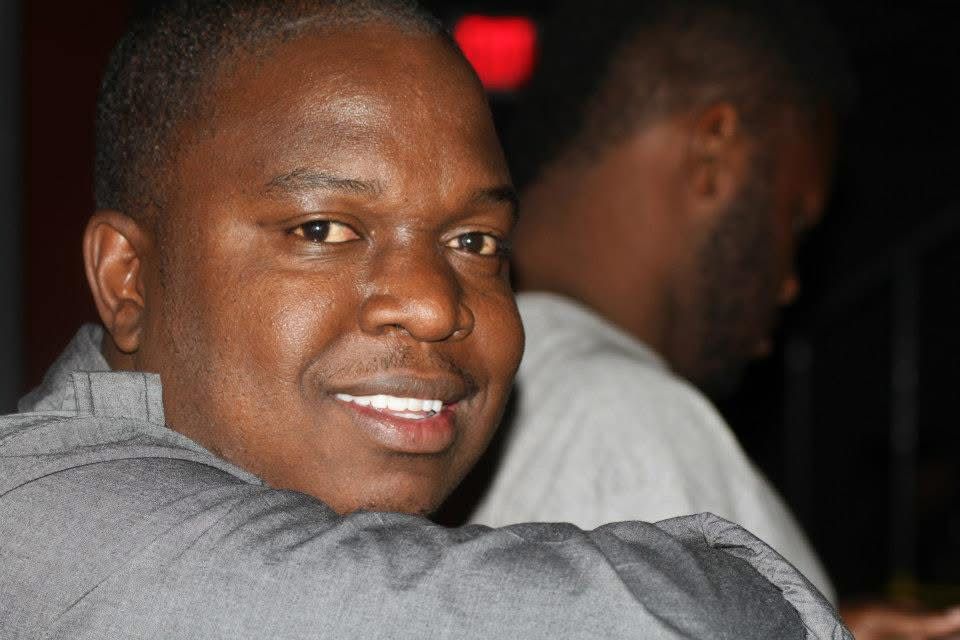

As the curtain comes down on another demanding year for Namibian sport, local sport pundits Marco Ndlovu, Matthew Haikali, and Isack Hamata have issued a unified call for decisive reforms in 2026, arguing that the sector stands at a critical crossroads between stagnation and sustainable growth.
At the heart of their message is a shared belief that while policy pronouncements and successful event hosting have shown promise, structural weaknesses, particularly in infrastructure, governance and legislation continue to hold Namibian sport back.
Infrastructure, funding under the spotlight
For Ndlovu, the starting point must be government-led intervention, especially around infrastructure development. He argues that the current state of facilities is incompatible with the ambitions of local athletes and administrators.
“The biggest change must come from the government. The current infrastructure situation is not ideal for Namibian sport. Athletics and football are prime examples; they don’t have a home. Rugby’s stadium also needs major upgrades to align it with modern-day standards,” said Ndlovu.
Beyond bricks and mortar, Ndlovu believes financing models must be overhauled to enable stronger collaboration between government and the private sector. He also expressed frustration at the prolonged delay in amending the Sports Act, calling for legislation that reflects global best practice and addresses development pathways, infrastructure planning, management and competitiveness.
Equally important, he said, is leadership within national federations. “I would like to see leaders who genuinely have sport at heart take charge of federations. Cricket Namibia should consider running a month-long governance course for other federations to share best practices,” he said.
Ndlovu ended with a stern plea for unity, urging federations plagued by internal conflicts to end infighting that continues to derail progress.
Legislative action
Haikali, meanwhile, focused on the policy environment, welcoming President-elect Dr Netumbo Nandi-Ndaitwah’s pronouncement that sport is now government’s second priority. He described this as long-overdue validation of what stakeholders have argued for decades.
“The clear articulation of sport’s importance in the SWAPO manifesto and Namibia’s Sixth National Development Plan has come as a breath of fresh air. Sport is not merely recreation or entertainment. Properly structured and financed, it is an industry with real potential to contribute to GDP growth, job creation and social cohesion,” he said.
With more than 650 000 Namibians actively involved in sport across regions and age groups, Haikali stressed that the sector is no longer marginal. However, he warned that policy intent without legislative action risks becoming hollow rhetoric.
“The prolonged delay in reviewing the Sports Act has constrained governance reform, commercial growth and accountability,” he said. He also highlighted the absence of sport within the Labour Act, leaving many professionals operating without adequate protection or recognition. For Haikali, 2026 must be the year legislative reforms are fast-tracked to unlock investment and professionalise the sector.
Sport tourism, economic drivers
Hamata took a broader economic view, linking sport directly to Namibia’s evolving national development strategy. He pointed to the recent launch of the Namibia Convention Bureau (NCB) by the NIPDB as a milestone in formalising the Meetings, Incentives, Conferences and Exhibitions (MICE) sector, but argued that international sport deserves an equally structured platform.
“While MICE target high-value business travellers, sport offers a high-volume, high-impact alternative that resonates with the heart of the nation,” Hamata said. He proposed the establishment of a National Sports Events Bureau (NSEB), modelled on the NCB, to coordinate bidding, hosting and maximising local economic benefits from sporting events.
The case, he argued, is already evident. Over the past 24 months, Namibia has emerged as a regional sports hub. The AUSC Region 5 Youth Games brought more than 2 500 athletes and officials to the country, supported by significant infrastructure investment. The historic T20 international between the Richelieu Eagles and South Africa’s Proteas drew a sold-out crowd of about 7 000 fans at the FNB Namibia Cricket Ground, stimulating ticket sales, hospitality and transport sectors. From the Africa Netball Cup in Swakopmund to COSAFA youth championships and regional gymnastics competitions, Hamata believes Namibia has found a “sweet spot” in hosting high-visibility events without the prohibitive costs of global mega-events. Crucially, he said, the true return on investment lies in human capital. “Hundreds of young Namibians have gained experience as volunteers, while events such as the Nedbank Desert Dash have injected millions into local SMEs and boosted hotel occupancy. “Hosting sport is soft power in action. Every young athlete who leaves Namibia becomes an ambassador for our country,” Hamata concluded.
-lmupetami@nepc.com.na